Get the size right
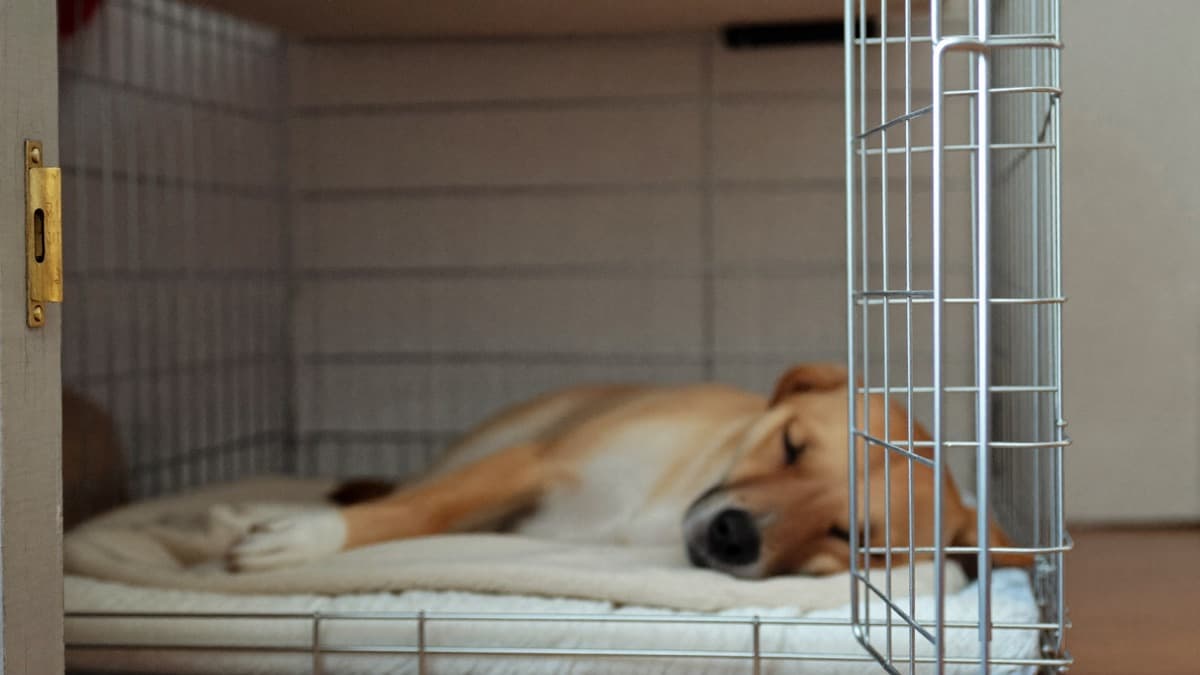
The crate should be big enough to stand up, turn around, and lie flat — and not much bigger. Too much space lets a puppy toilet in one corner and sleep in the other, which defeats the house-training mechanic. For a growing puppy, buy the adult-size crate with a divider panel and move the divider back as they grow.
Phase 1: The crate is a treat dispenser (days 1–3)
- Set the crate up in the living area, door pinned open, comfortable bedding inside. In an HDB flat or condo, pick a corner away from the front gate and the corridor wall — lift chimes and neighbours' footsteps are exactly what a settling puppy doesn't need.
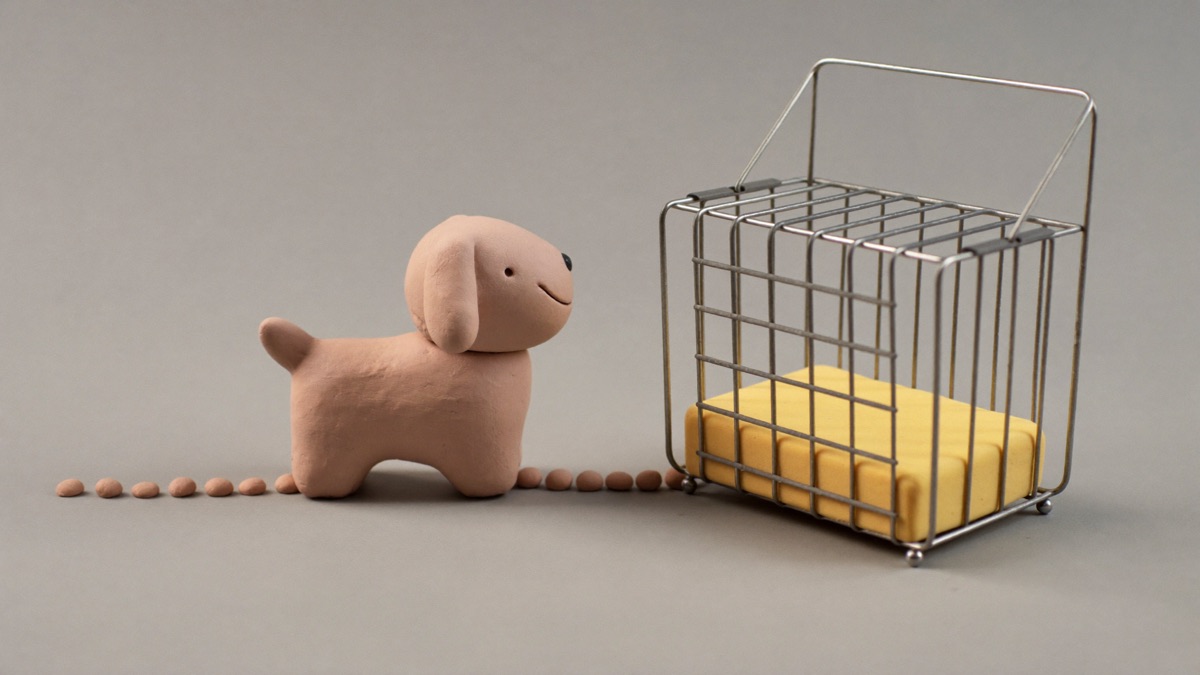
- Toss treats in; let the puppy walk in and out freely. Never shut the door yet.
- Feed every meal at the back of the crate. A puppy that trots into the crate at mealtime is telling you phase 1 is done.
Phase 2: The door closes, briefly (days 3–7)
- During a meal or with a stuffed food toy, close the door for 30–60 seconds while you sit right there. Open it before the puppy fusses.
- Extend gradually: two minutes, five, ten — sometimes leaving the room, sometimes not, so departure stops being a signal.
- If the puppy cries, you moved too fast. Shorten the interval and rebuild.
Phase 3: Naps and nights
- Schedule crate naps after play sessions — a tired puppy accepts the crate far more easily than a fresh one.
- At night, keep the crate in or near your bedroom at first. Puppies who can hear you settle dramatically faster, and you'll hear the genuine "I need to toilet" cry.
- Expect one night outing for the first couple of weeks: out on leash, toilet, zero fun, back in the crate.
The rules that keep the crate working
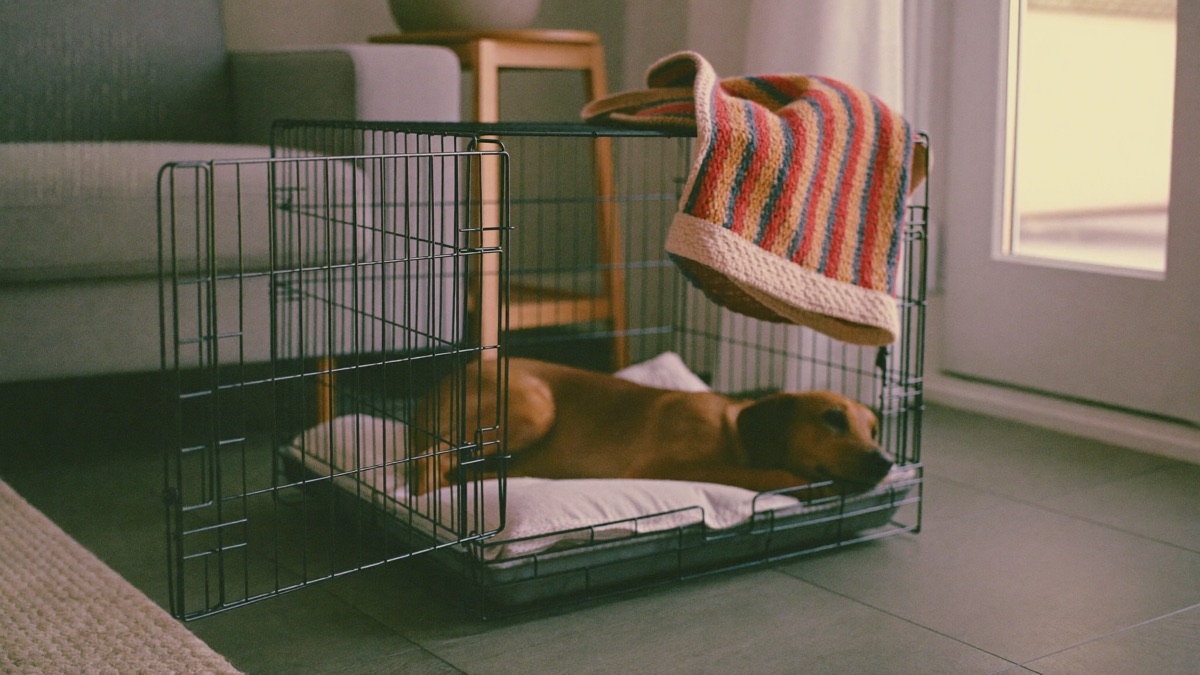
- Never use the crate as punishment. One angry "get in your crate!" can undo weeks of goodwill.
- Toilet before crating, always. A full bladder makes crate distress inevitable and teaches crying works.
- Respect the time limits. A crate is a bedroom, not storage. If your schedule needs 6+ crated daytime hours, arrange a midday walker or a pen instead.
- Take collars off in the crate — tags can catch in the bars.
When it isn't going well
A puppy that panics — drooling, frantic scratching, injuring itself trying to escape — isn't being stubborn; that pattern can indicate isolation distress or emerging separation anxiety, and pushing through makes it worse. Back up to phase 1, and if panic persists, talk to your vet early and ask about a referral to a veterinary behaviourist. For hands-on training help in Singapore, start with the AVS-Accredited Certified Dog Trainer list — accreditation requires certification in humane, science-based methods — and budget roughly S$100–250 / RM150–400 per private session as of 2026. It's vastly easier to fix at 12 weeks than at 2 years.