What does neutering change?
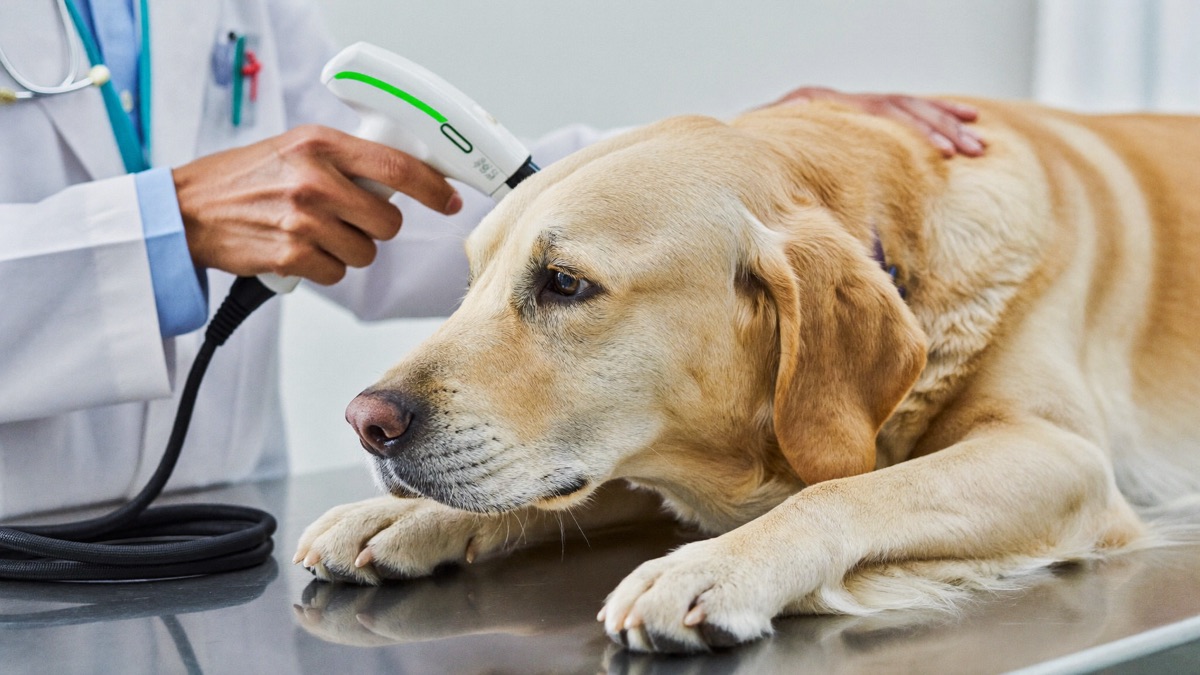
Castration removes a male dog's testicles and prevents reproduction. VCA's veterinary guidance describes benefits including preventing testicular cancer and reducing the risk of benign prostate enlargement. Spaying is the corresponding sterilisation procedure for females; ask which operation your vet proposes and why.
Some mating-related behaviours may improve, but surgery is not a guaranteed treatment for aggression or anxiety. Describe the particular behaviour to your vet so you can plan appropriate help. Surgery and anaesthesia also carry risks: ask how your dog's medical history affects the assessment, monitoring and aftercare.
How should you decide when to book?
AAHA's timing guidance distinguishes smaller dogs from larger dogs and treats female timing separately. Its advice also emphasises individual disease risks and circumstances. A size-only table cannot decide the date for your dog.
Take these details to the consultation:
| Detail to bring | Question to resolve |
|---|---|
| Age, breed or known mix, current weight and expected adult size | Does growth or breed-specific evidence change the proposed timing? |
| Sex, heat history and any suspected pregnancy | Does this change the procedure or appointment date? |
| Medical records, medicines and previous anaesthetic problems | What examination or tests are appropriate before surgery? |
| Opportunities for contact with unsterilised dogs | How will we prevent an accidental mating if surgery is delayed? |
| Adoption agreement and household routine | Are there agreed conditions, and who can supervise recovery? |
Ask the vet to explain the reason for the recommended window and what would change it. Keep that answer with your dog's records so another household member can follow the plan.
What should you budget in Singapore or Malaysia?
Singapore: use our clinic fee and extra-cost comparison to request quotes for the same procedure. It separates published surgery charges from consultation, tests and other exclusions. A starting price is not the final bill.
Malaysia: SPCA Selangor's programme page lists RM180 for dog spaying/neutering, with a RM20 surcharge for an animal in heat or pregnant. Checked 29 September 2026; the page carries a 2022 publication date and says prices may change. Confirm eligibility, availability, inclusions and the current amount before booking. This is one programme's advertised fee, not a Malaysian private-clinic price range.
For either country, request a written estimate containing:
- The procedure and the weight band used.
- Consultation, recommended blood tests and any other assessment.
- Anaesthesia, monitoring, fluids and pain relief.
- Take-home medicines, a suitable wound-protection device and review visits.
- Potential additional charges and how the clinic will obtain your agreement.
If adopting, ask for the surgery record or the organisation's arrangements for pending sterilisation. The Singapore adoption comparison explains why care inclusions differ. Project ADORE requires sterilisation; coordinate any pending procedure with the adoption partner. In Malaysia, check the rules for your local council.
Before admission: get written instructions
Ask the operating clinic for the exact food, water and medication instructions for your dog. Do not substitute a general “nothing after midnight” rule or stop prescribed medicine on your own. Tell the clinic about illness or changes since the consultation; VCA explains why the pre-operative assessment matters.
Before leaving your dog, confirm the collection arrangements, who will update you, the estimate and an after-hours contact. Arrange transport and a quiet recovery area away from other pets and opportunities to jump.
Make a recovery plan before surgery
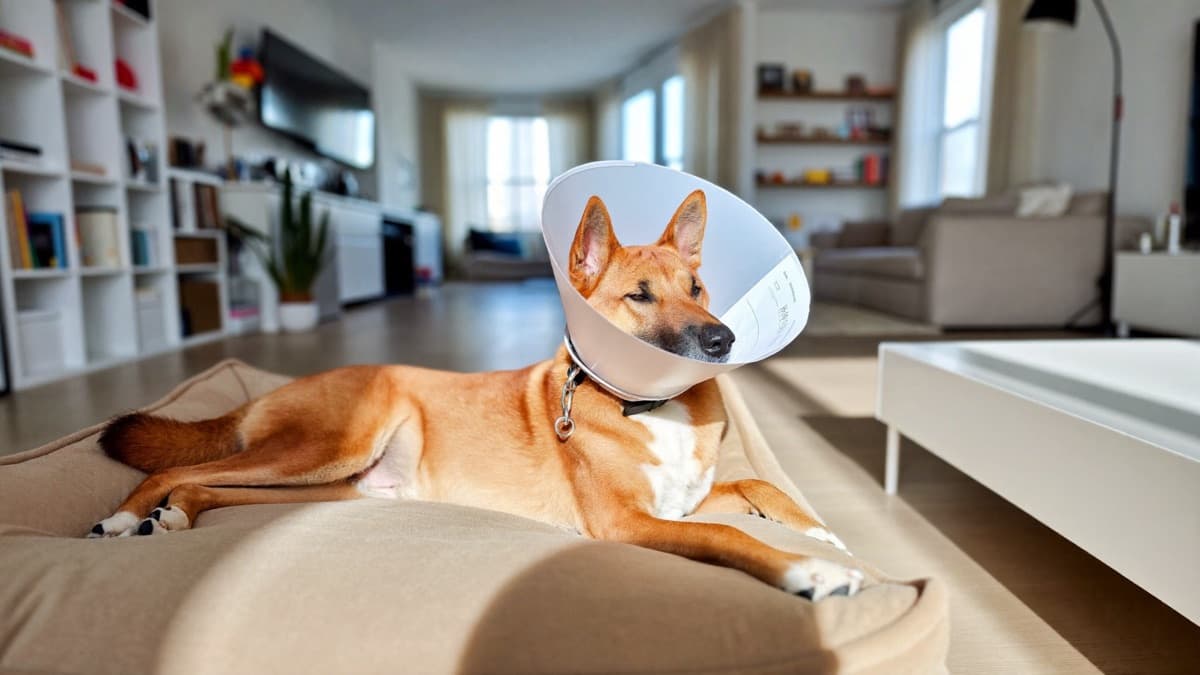
Follow the discharge sheet even if your dog seems lively. VCA's post-surgery guidance recommends restricting activity for the vet's specified period, often 7–14 days, and preventing licking of the incision.
- Use the prescribed cone or other protection that prevents access to the wound.
- Keep the incision dry; avoid running, jumping and rough play. Follow the clinic's lead-walk instructions.
- Look at the wound daily. Contact the clinic promptly about discharge, increasing swelling, worsening redness or any deterioration in your dog's condition.
- Apply nothing to the incision unless directed. Give only the medicines and doses supplied or authorised for your dog.
Write down who handles each medicine dose, the review date and when the clinic will reassess activity restrictions. Get specific feeding instructions for the first evening before discharge.
Feeding after recovery
Purina Institute describes reduced energy needs and possible appetite changes after sterilisation. Ask your vet for a feeding plan, monitor weight and body condition, and adjust portions as advised rather than applying the same percentage cut to every dog. Resume exercise according to the surgical recovery plan.