
Daycare, boarding or a home sitter — which do you need?
They solve different problems. Daycare is daytime-only supervision and play — the fix for long workdays, under-exercised young dogs, and dogs who genuinely enjoy dog company. Boarding is overnight care while you travel. A home sitter brings care to your dog's own territory — often the kindest option for anxious, senior or dog-selective dogs who find group settings stressful. Many facilities sell both day and overnight care, and daycare doubles as the ideal rehearsal before a first boarding stay; our full comparison of boarding and daycare options in Singapore and Malaysia compares named providers’ published rates, billing units and extra charges.
What should I check on the daycare tour?
Never book a package without a physical tour. Work this list:
- Staff-to-dog ratio. Ask the number, then count heads on the floor and check it against the answer. Around one handler per 10–15 dogs is a common industry benchmark for free-play settings; big open floors with one distracted human and thirty dogs are how scuffles become injuries.
- Rest cycles. The single most-skipped question. Good daycares rotate play and enforced downtime — crates, pens or quiet rooms — because eight hours of nonstop arousal produces an overtired, cranky dog, not a happy one. Ask literally: "Show me where dogs nap, and when."
- Aircon and heat management. In this climate, ask which areas are air-conditioned, during which hours, and where water stations sit. Outdoor play areas need real shade and a wet-bulb-hot-day plan.
- Admission requirements. Obtain the provider’s current vaccine and parasite-care policy and required lead times, then discuss the plan with your vet. Policies differ; see the provider-specific examples.
- Grouping policy. How are dogs split — by size, play style, age? Where do intact dogs and new dogs go? Is there a small-dog or quiet-dog zone?
- Incident and emergency protocol. Which vet, who authorises, how you're informed. Ask how the last scuffle was handled; the honesty of the answer is the real data.

What happens on temperament-test day?
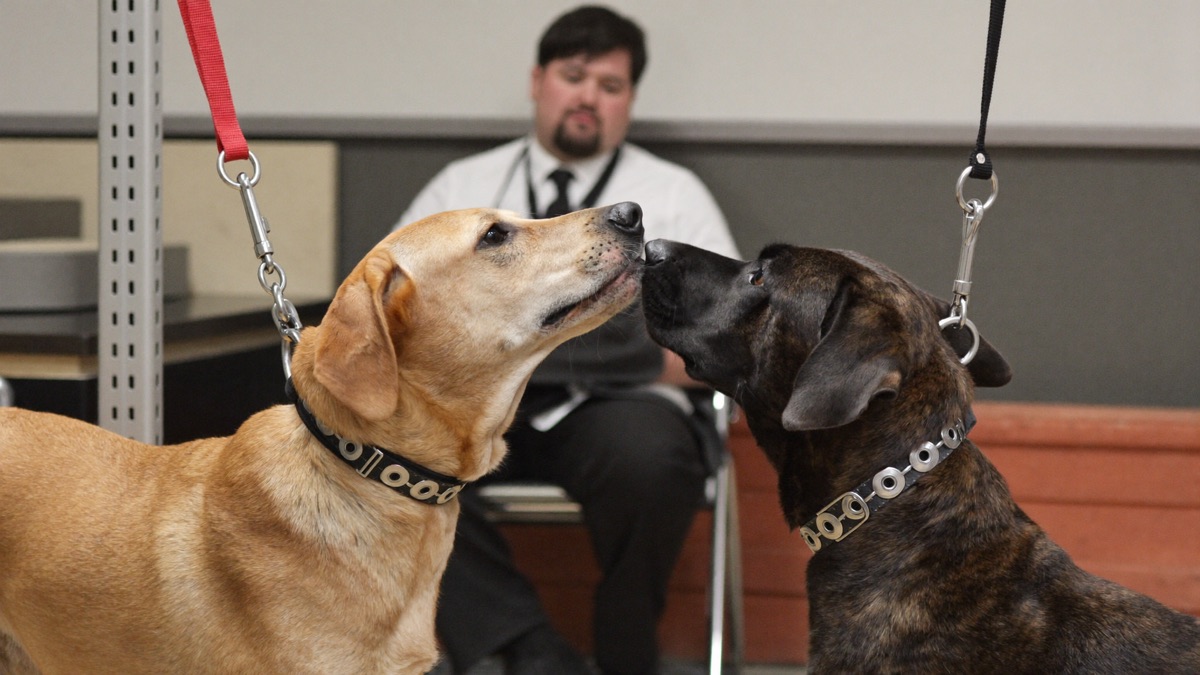
Reputable daycares don't drop a new dog into the middle of the pack. Expect: a health-and-vaccine paperwork check, a calm solo intro to the space, then staged meetings with one or two stable "greeter" dogs while staff read body language — loose and curious versus stiff, cornered or bullying. You'll usually leave your dog for a half or full day and get a verdict: cleared, cleared-with-conditions (smaller group, shorter days), or a polite no. Treat a no as good service, not an insult — a facility willing to turn away revenue is exactly the one you want supervising the dogs it accepts. A daycare with no assessment process at all is telling you every dog gets thrown in together.
Is daycare right for every dog? Honestly — no
Daycare marketing sells universal joy; dogs don't work that way. The dogs who thrive are sociable, resilient, playful adolescents and adults who greet novelty loosely. The dogs who quietly suffer: anxious dogs (a room of strangers is not therapy), seniors who want naps, dog-selective adults who tolerate rather than enjoy other dogs, and puppies in fear periods placed in rowdy groups. Signs it's not working — reluctance at drop-off that worsens week on week, exhaustion beyond pleasant tiredness, new reactivity or guarding, or coming home wired instead of settled. There's no failure in switching to a midday walker or home sitter; the goal is a decompressed dog, not a socialised-on-paper one.
How much should I budget?
Ask for the single-session price, session hours, assessment fee, transport and any required extras. For a package, check how many visits it covers, expiry, cancellation terms and whether unused days carry over. Compare the full commitment with the number of visits you expect to use. The dated provider comparison links the published terms; confirm them before booking.