Can a Singapore Special live in an HDB flat?
The AVS Project ADORE guidance, checked on 26 September 2026, sets out the following conditions for this rehoming route:
| Check | Requirement |
|---|---|
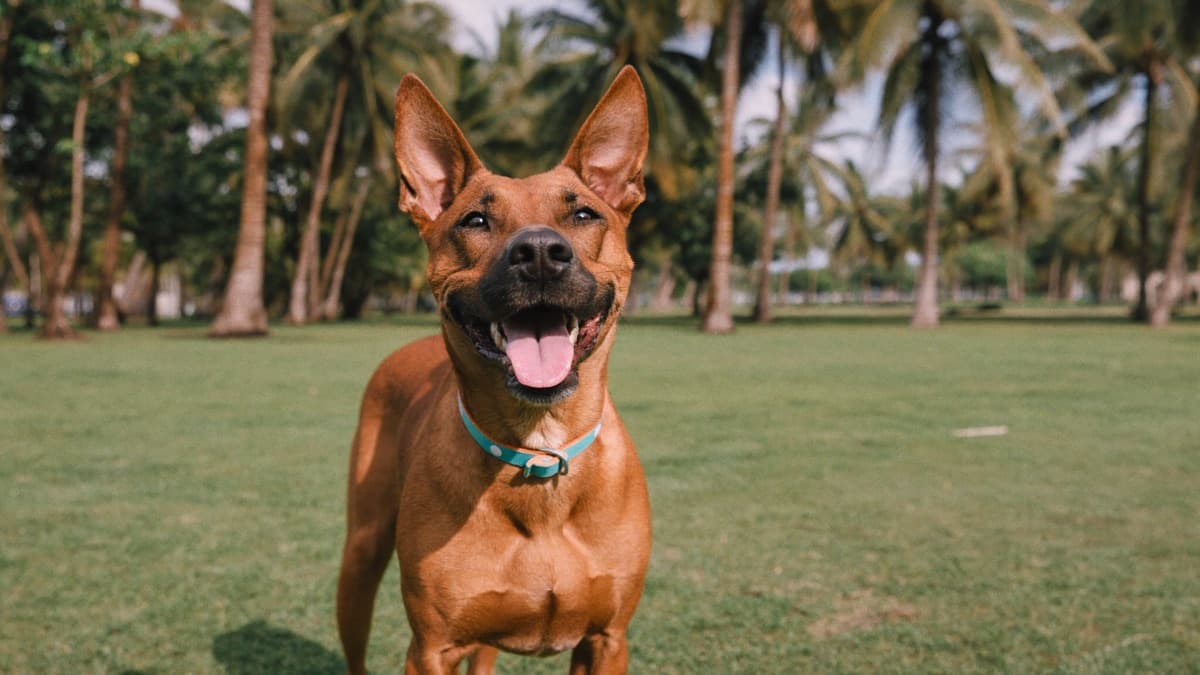
| Dog and home | A local mixed-breed up to 55cm in height; one dog per residential unit |
| Adoption route | Approach a participating AVS rehoming partner |
| Care and identification | Licensing, microchipping, vaccination and sterilisation |
| Training | Mandatory obedience training with an AVS-Accredited Certified Dog Trainer or an ADORE dog trainer |
| Neighbours | Comply with the Code of Responsible Behaviour, including preventing nuisance |
Ask the rehoming group to confirm the particular dog’s eligibility and your next steps. Meeting the height criterion alone does not complete the adoption process. AVS lists ASD, CAS, Exclusively Mongrels, Mercylight, SOSD and SPCA as partners, with links on its scheme page. The separate K-9 scheme has different eligible dogs.
What should you ask about temperament?
Ask the team to describe this dog’s behaviour in specific situations: being handled, walking near traffic, meeting unfamiliar people and sharing a home with other animals. Request any foster-carer history and discuss behaviour that has not yet been observed.
Do not interpret “assessed” as a guarantee that a dog cannot bite or will settle on a fixed timetable. The ASPCA’s evidence review describes the limits of behaviour assessments and the value of gathering information from multiple settings. Arrange introductions with the organisation’s guidance and ask what help is available afterwards.
For a first dog, use our first-time-owner comparison and questions to decide whether the care plan fits your routine. An adult dog may still need toilet training, help with time alone and ongoing support.
Are local mixed-breeds healthier or heat-proof?
Mixed-breed dogs can have inherited conditions; ancestry does not guarantee low veterinary bills. The RSPCA’s genetic-health guidance explains why mixed breeding does not eliminate these risks. Review the individual’s medical records with a vet instead of assuming that a short coat means good health.
Local origin does not prevent heatstroke. Provide shade and drinking water, avoid strenuous activity in hot conditions and never leave a dog in a hot vehicle. VCA’s heatstroke guidance identifies overheating as an emergency. Seek urgent veterinary help if a dog becomes unwell after heat exposure.
How do you compare adoption costs and support?
Ask each organisation for a written breakdown for the particular dog:
- Adoption fee and what it includes.
- Vaccination, microchip and sterilisation records; any treatment still planned.
- Training arrangements, timing and any separate charge.
- Known medication or follow-up needs.
- Introductions, home assessment, support after adoption and return arrangements.
Scheme requirements do not mean every organisation charges the same amount or bundles everything into its fee. Replace general price ranges with the current written quote. Use our dog-budget calculator to plan beyond the adoption day, and training-cost guide to understand different programme formats.
A good match starts with candid information about the dog and a realistic plan for daily care. Ask for clarification before committing if housing permission, ongoing treatment or support remains uncertain.