This guide covers flight arrangements and comparing quotes. The AVS export paperwork guide covers Singapore’s licence, certificate and inspection process. Airline and official guidance checked on 25 September 2026; confirm again for your travel date.
Will my dog travel in the cabin, as checked baggage or as cargo?
These are different booking arrangements. Ask the operating airline which option it accepts for your dog and every flight segment.
| Arrangement | What to confirm before paying |
|---|---|
| In the passenger cabin | Whether ordinary pets are accepted on that route, the carrier limits and the pet reservation. A small dog is not automatically eligible. |
| Checked baggage | Whether your dog can accompany your passenger booking in the hold, with the required crate and documents. |
| Cargo shipment | Who books the shipment, where you hand over and collect the dog, and who handles clearance. Confirm any separate agent and handling charges. |
Singapore Airlines example: its pet policy offers checked-baggage carriage for eligible pets aged at least three months. Above 32 kg for dog and container combined, it directs owners to a cargo agent. It does not accept pets on Boeing 737-operated flights and has additional breed, route and transfer restrictions. Cargo is not an automatic workaround for a refused booking.
Its assistance-dog policy is separate from ordinary pet carriage. Do not assume another airline uses the same rules.
What information should I send the airline?
Singapore Airlines asks owners to contact it at least two weeks before departure, with the dog’s breed, age and other identifying details, plus the dog’s weight and the container’s weight and dimensions. That is an airline contact deadline, not a promise that the whole move can be arranged in two weeks.
Use this booking worksheet to avoid an expensive mismatch:
- Dog: breed or cross, age, current weight and any health concerns to discuss with your vet.
- Crate: external dimensions and empty weight; confirm the combined weight with the dog inside.
- Itinerary: flight numbers, operating carriers, connections and destination airport.
- Acceptance: written confirmation of the pet booking, carriage type and document requirements for each segment.
- Disruption plan: what happens to the animal booking and charges if the aircraft, date or route changes.
For a connection, confirm the handover arrangement explicitly. Singapore Airlines’ published policy does not accept pets transferring to or from other airlines on its flights. See its booking and connection rules before buying a multi-airline itinerary.
How do I plan the veterinary timeline?
Start with the destination authority’s requirements for a dog travelling from Singapore, including any transit conditions. Ask your vet to check the identification, vaccinations, tests, treatments and certificate dates in the required order. Do not reuse a rabies blood-test schedule written for a different origin or destination.
AVS explains that the destination determines its entry conditions and certificate validity. There is no universal six-month plan or seven-day health certificate for every move. The airline can also require documents: check its list alongside the destination’s list.
For a move to Malaysia, confirm the requirements for the actual destination and entry point before arranging transport. Our Malaysia breed-restriction guide explains why import conditions and permission to keep a dog at a particular address are separate checks. For a return journey, plan the Singapore import requirements before leaving.
How should I choose and prepare the crate?
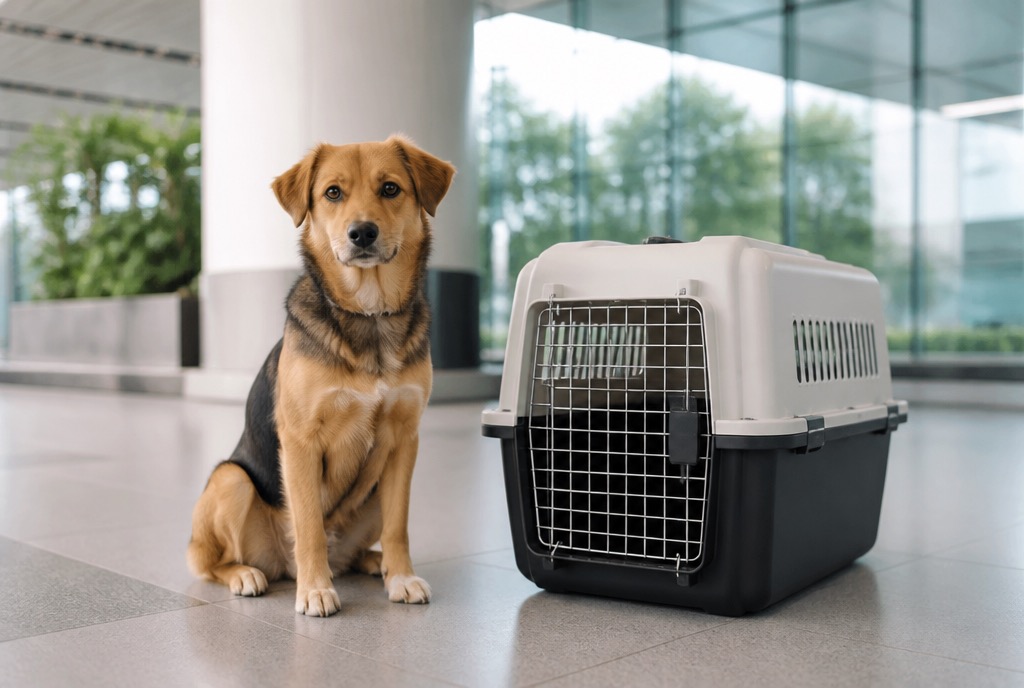
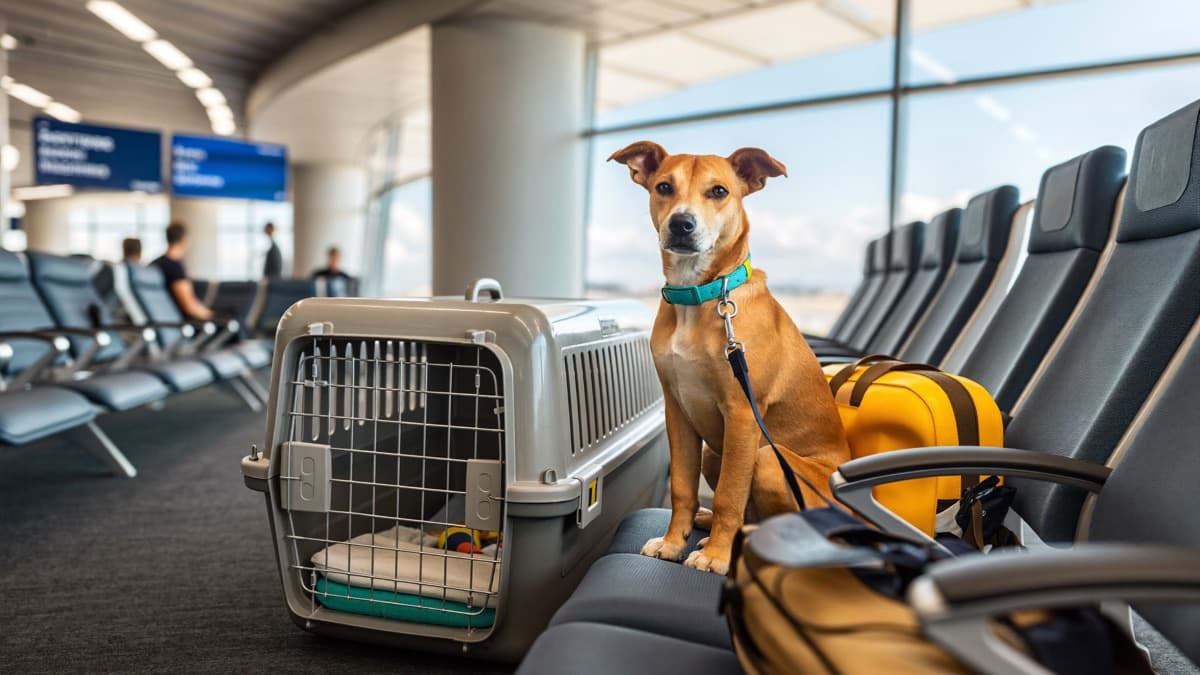
IATA’s pet guidance explains container sizing and preparation. The dog needs room to stand and sit upright, turn normally and lie naturally. Check the airline’s aircraft-specific limits before buying: meeting a general crate standard does not guarantee acceptance on your flight.
Introduce the travel crate well ahead of departure so your dog can become familiar with it. If confinement causes distress, ask your vet for a preparation plan and reassess the travel arrangements. Crate familiarity cannot guarantee a stress-free flight.
Discuss medication with your vet and the carrier. IATA discourages sedation simply to prevent panic during transport; Singapore Airlines tells owners not to administer sedatives or tranquillisers before its flights. Do not give a sedative on your own to make the journey easier.
What should a relocation quote include?
Ask for a written quote for your actual itinerary. The following is a comparison worksheet, not a set of market prices:
| Cost heading | Detail to request |
|---|---|
| Flight or cargo | Route, carriage type, weight or size basis, and whether the amount includes handling |
| Travel crate | Accepted dimensions, supply or rental, delivery and any accessories |
| Veterinary preparation | Consultations, required vaccinations or tests, treatments and certificates, itemised separately |
| Singapore paperwork | Export licence, any certificate issue or endorsement, and agent administration charges |
| Destination costs | Import permission, inspection, clearance, quarantine if required and collection or onward transport |
| Agent service | Exact tasks included, subcontracted services, taxes, exclusions and change or cancellation charges |
For Singapore Airlines checked-baggage travel, the pet and container are charged outside the passenger’s free baggage allowance. Its charging rules depend on the route; they are not a universal cargo-price formula. Obtain the applicable amount before committing.
Add each quoted cost once. For example, if an agent’s package already includes the crate and export licence, do not add standalone prices for them again. Keep unquoted items marked “awaiting quote” so a partial total does not look like the final cost.
Do I need a relocation agent?
Ask the airline whether your selected carriage arrangement requires one. IATA notes that some airlines require an animal shipper, while owners can arrange some journeys themselves. An agent’s service scope also varies: booking the cargo leg is different from managing the entire move.
Choose based on the tasks you need help with. Request a named contact, written responsibilities for each end of the journey, and a plan for delayed paperwork or a changed flight. An agent cannot replace the destination’s entry requirements or the airline’s acceptance decision.