Why do dogs jump on people?
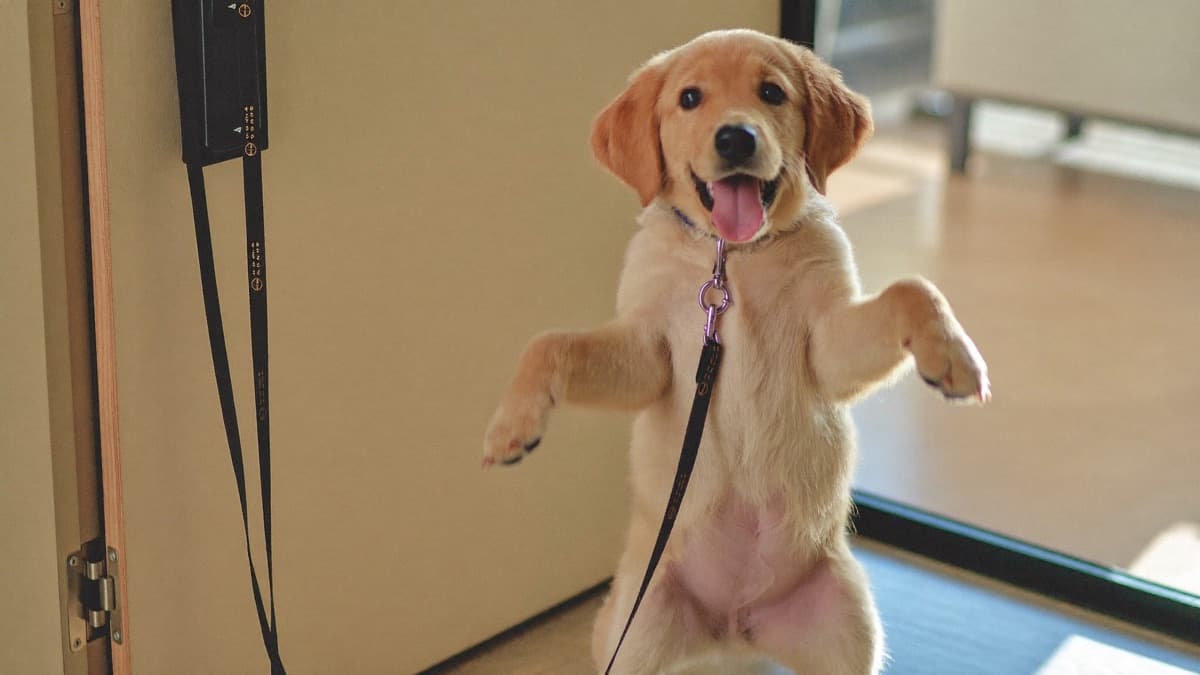
Two reasons stack. The first is natural greeting behaviour: dogs greet face-to-face — puppies lick the muzzles of returning adults — and human faces are up high, so jumping is your dog's honest attempt at saying hello properly.
The second, bigger reason is reinforcement history. Count the ways jumping has paid: it was adorable at 3 kg so everyone cuddled the puppy; guests pat the dog while saying "down"; even being pushed off is physical contact and eye contact, which for an attention-seeking dog beats being ignored. Worse, the payoffs were intermittent — sometimes yes, sometimes no — and intermittent reinforcement builds the most persistent behaviour there is. Your dog isn't dominant or rude; jumping is simply a well-funded habit.
What is the four-on-the-floor protocol?
You're teaching one clean rule: paws on the floor switch attention on; paws on a person switch it off.
- Jumping turns you to stone. The instant paws leave the floor, fold your arms, turn your side or back, say nothing. No push, no "off", no eye contact — all of those are attention.
- Floor turns you warm. The instant all four paws land, mark ("yes!") and pay — attention, calm praise, and in training sessions a treat delivered at the dog's nose height or on the floor, so the reward itself keeps heads low.
- Repeat with boring you, then exciting you. Practise arrivals: step out the front door, come back in. Stone for jumping, warmth for floor. Ten reps a day costs five minutes.
- Upgrade to an incompatible behaviour. Once four-on-the-floor is paying reliably, cue a sit for greetings — a sitting dog can't jump, and sit becomes the dog's way of asking for the hello.
The behaviour typically gets briefly worse before it collapses — an extinction burst, the dog's version of jabbing a broken vending machine button harder. Hold the line through it; it means the plan is working.
How do I manage the door and guests?
Training needs weeks; guests arrive today. Management bridges the gap by preventing rehearsal:
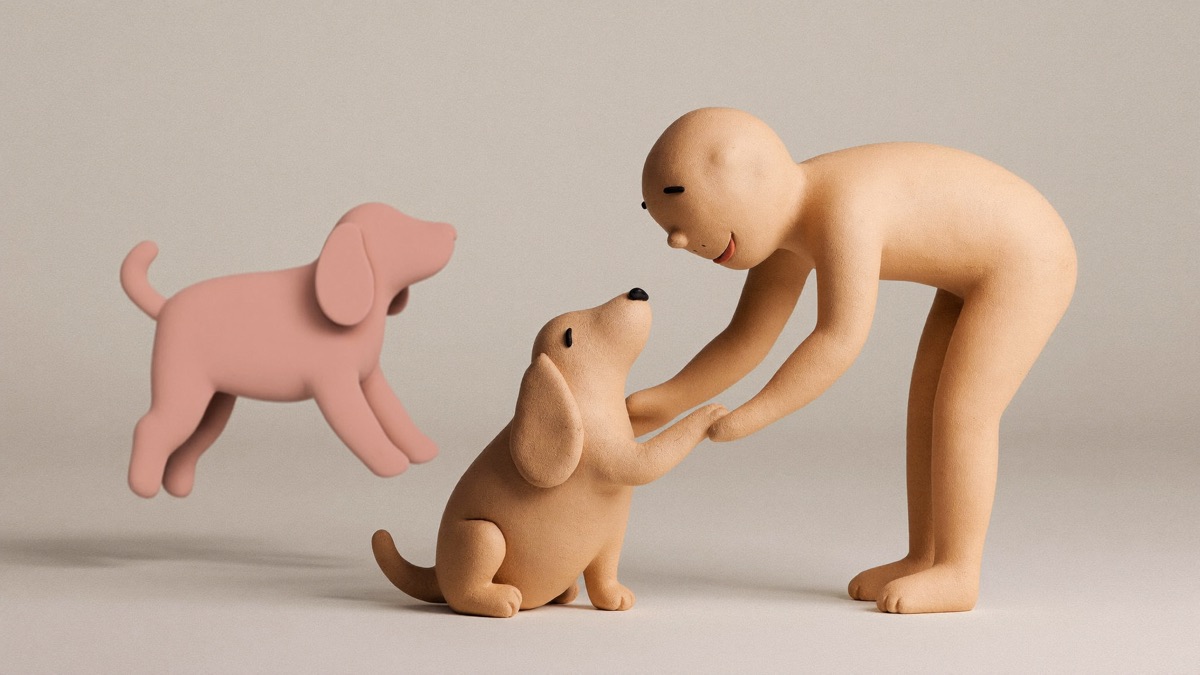
- Leash at the door. Before opening it, clip a leash on (or have the dog behind a baby gate). The leash isn't for yanking — it simply makes reaching the guest contingent on calm, and lets you create distance without grabbing.
- Station work. Teach a mat "go to bed" cue and pay it richly whenever the doorbell rings. A dog on a mat chewing something excellent isn't practising jumping.
- Give every guest the script. Most training failure walks in through the front door, so brief them at the threshold, not mid-jump.
| Guest script | Why |
|---|---|
| "Ignore him completely until all four paws are down." | Removes the payout |
| "When he's down, crouch or turn sideways to greet." | Brings the face lower so jumping is pointless |
| "Please don't say 'it's okay, I love dogs!'" | One rewarded jump funds a hundred attempts |
| "You can toss this treat on the floor when he sits." | Guests become the training, not the sabotage |
Why do kneeing and pushing backfire?
The old advice — knee the chest, squeeze the paws, push the dog off — fails on its own terms. To a social, bouncy dog, pushing is wrestling: hands on the body and animated reactions read as play, which pays the jump. To a softer dog, a knee in the chest is frightening and can genuinely injure — and the dog learns that approaching people brings pain, which is how greeting problems curdle into fear or defensive behaviour. Both routes also fail to answer the dog's actual question: how do I get the hello? Positive-reinforcement protocols answer it explicitly, which is why they're endorsed by the veterinary behaviour community and why they outlast punishment-based fixes.
What about HDB lift lobbies and corridors?
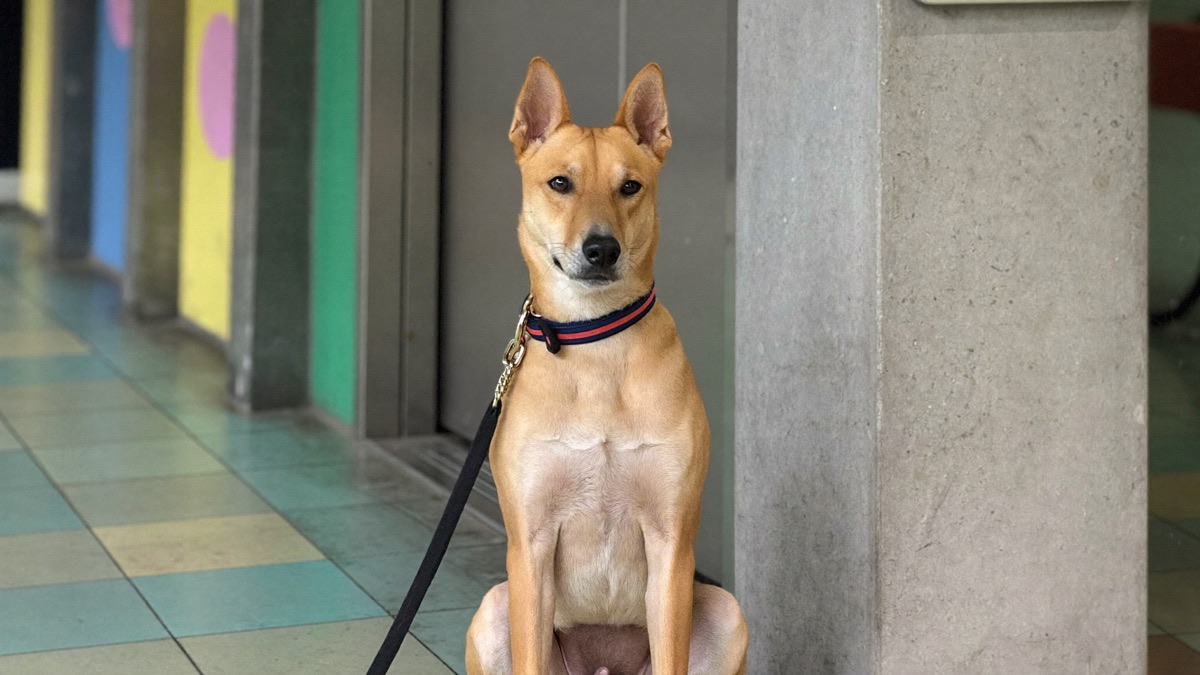
Shared spaces are where jumping costs goodwill fastest — a wet-pawed hello on a neighbour's office clothes in the lift is how "dog-friendly block" sentiment dies. The pinch points are predictable, so train for them: ask for a sit at your side while waiting for the lift, keep the leash short but slack, and position yourself between dog and neighbours. In the lift itself, back corner, dog's nose out of personal space, and pay quiet standing generously. With children — who squeal, flail and run, the perfect jump-triggering package — don't test a work-in-progress dog; step back and let them pass. The same short-leash habits that fix pulling on walks carry the lift lobby, and a dog that sits for greetings at your gate will sit for them anywhere.