| Quick facts | |
|---|---|
| Size | Toy (20–25 cm at the shoulder) |
| Weight | 2–4 kg |
| Lifespan | 12–15 years |
| Coat | Long, silky single coat; minimal shedding, continuous growth |
| Exercise | Light — 30 minutes daily plus indoor play |
| HDB-approved | Yes — verify the current AVS/HDB list |
What is a Maltese's temperament really like?
Sweet, playful, and relentlessly affectionate. The Maltese has been a lap companion for over two thousand years, and it shows: this dog's entire job description is being with you, and it takes the job seriously. They are gentle with considerate children, adaptable, and lively without needing much space.
The flip side of a dog bred solely for companionship is that it copes poorly without it. Maltese are the textbook velcro dog, and separation anxiety is the breed's most common behavioural problem — crying, barking for hours, and destructive chewing when left. In a flat, that barking becomes a neighbour problem fast. Prevention beats cure: from puppyhood, practise short, boring absences and build up gradually, so alone-time is normal rather than a crisis. If your household is out nine hours a day, five days a week, choose a different breed or budget permanently for daycare. Some Maltese are also slow to house-train and prone to alarm barking; patient, reward-based consistency fixes most of it.
Coat or puppy cut: how much grooming does a Maltese need in humidity?
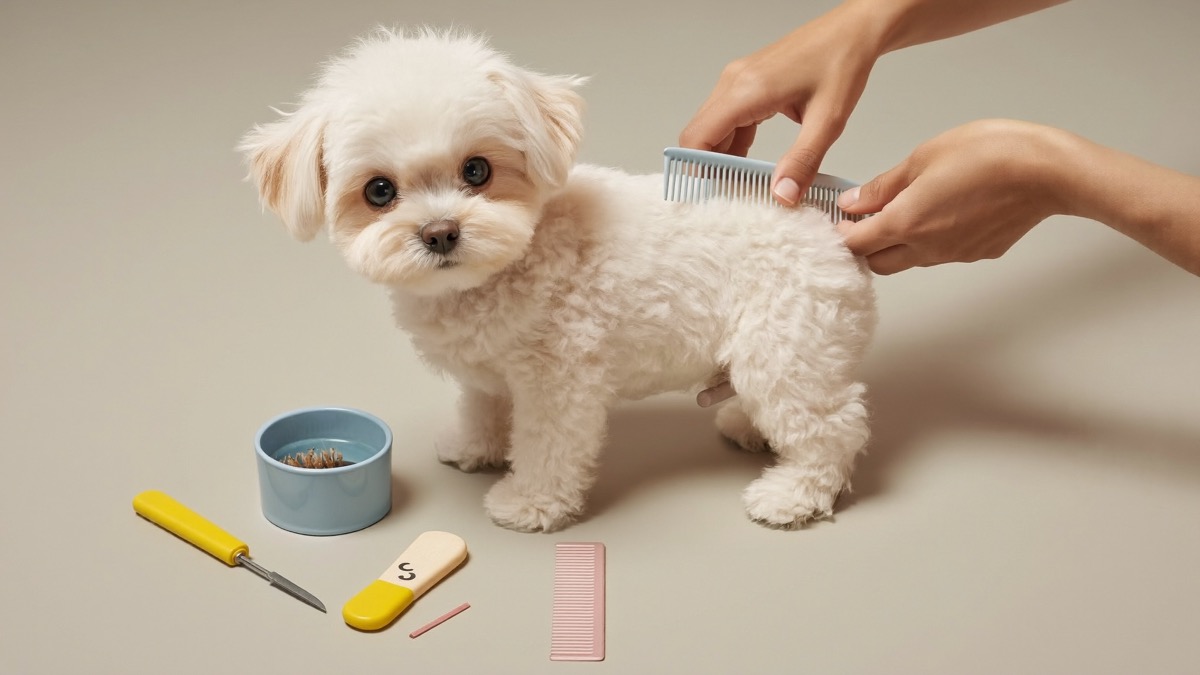
The floor-length show coat is beautiful and, in the tropics, mostly impractical. That silky white hair grows continuously, mats easily, and in Singapore or Malaysia's humidity a long coat traps moisture, mats faster, and hides skin problems until they are advanced. Kept long, it demands daily brushing to the skin and thorough blow-drying after every bath or rain-soaked walk.
Most tropical Maltese owners sensibly choose a puppy cut — the coat clipped to a few centimetres all over every six to eight weeks. The dog stays cooler, mats stop, and brushing drops to two or three times a week. Because it is hair rather than double coat, clipping a Maltese short is perfectly safe, unlike shaving a spitz breed.
Tear staining is the other daily task. Those rust-coloured streaks under the eyes are oxidised pigment from tears sitting on white hair, and humidity keeps the area permanently damp. First, have a vet rule out medical causes — blocked tear ducts, ingrown lashes, eye irritation, or dental crowding. Then manage: wipe the face daily with a damp cloth, keep hair trimmed short around the eyes, and dry the face after drinking. Be wary of imported whitening supplements; some contain low-dose antibiotics that have no place in routine cosmetic use.
Whichever cut you choose, find a groomer your dog actually likes and book standing appointments — a Maltese that fights grooming turns a lifelong necessity into a lifelong battle. Handle paws, ears, and face daily from puppyhood, and pair brushing with treats so the routine stays pleasant for both of you.
What health problems do Maltese have?
A generally healthy, long-lived breed, but watch for: luxating patella (slipping kneecaps — the classic small-breed skip), dental disease (crowded tiny teeth need daily brushing and periodic professional cleaning), heart valve disease in older dogs, and low blood sugar in very small puppies. A minority carry liver shunts or a breed-associated brain inflammation (GME), which is another reason to buy only from breeders who health-test and know their lines. Keep a Maltese lean; even half a kilo of excess weight is a lot on a 3 kg frame.

Can a Maltese live happily in Singapore or Malaysia?
Yes — this is one of the best-matched breeds for tropical high-rise life, which is exactly why you see so many here.
Apartment fit. The Maltese is on the HDB approved-breeds list; verify the current AVS/HDB list yourself before committing. Space and exercise needs are minimal. The two real apartment risks are separation-anxiety barking and house-training lapses, both solvable with early work.
Heat. In a puppy cut, a Maltese handles the climate well. Walk at cooler hours, dry the coat properly after rain or baths, and keep the face and ears dry — moist skin folds and damp ears are where tropical yeast and bacterial infections start.
Who should not get a Maltese?
Skip this breed if the flat is empty all day, if grooming bores you, or if you want a robust dog for rough-and-tumble kids. If someone is usually home and you enjoy the daily rituals of brushing and face-wiping, a Maltese is about as good as tropical apartment companionship gets.