| Quick facts | |
|---|---|
| Size | Toy (25–33 cm at the shoulder) |
| Weight | 6–9 kg (lean) |
| Lifespan | 12–15 years |
| Coat | Short, dense double coat; sheds heavily for its size |
| Exercise | Light — short, heat-restricted walks plus indoor play |
| HDB-approved | Yes — check the current approved list |
Temperament: the companion job, done properly
Pugs were bred for one role — human companionship — and they are exceptional at it. Expect a sociable, stable, playful dog that is patient with children, easygoing with other pets, and rarely yappy. They are among the least aggressive of all breeds, which makes them forgiving first dogs for families in close-quarters housing.
The honest parts: Pugs are stubborn about training and slow to house-train for some owners, they shed far more than people expect from a short coat, they snore loudly enough to hear through a bedroom door, and they do not cope well with being left alone all day. A Pug wants to be where you are, always. If everyone is out from 8am to 7pm, this is the wrong breed.
Health: heat, weight, eyes — in that order
Airway and heat. The Pug is brachycephalic, and many have some degree of brachycephalic obstructive airway syndrome — narrowed nostrils and a long soft palate that make breathing, and especially panting, inefficient. Since panting is how dogs cool down, Pugs overheat fast and are heavily over-represented in heatstroke cases. Loud snoring, snorting, and poor exercise tolerance warrant a vet airway assessment; severe cases can be improved surgically.
Obesity. Pugs are food-obsessed, and obesity is arguably the breed's most common — and most fixable — problem. Extra weight narrows the airway further, loads the joints, and shortens life. Weigh food with a scale, cap treats at 10% of calories, and ask your vet to body-condition-score the dog at every visit. A lean Pug breathes better, moves better, and lives longer; keeping one lean is the cheapest medicine you will ever buy.
Eyes. Those large, prominent eyes sit shallow and exposed. Corneal ulcers, scratches from grass or claws, dry eye, and pigmentary keratitis are all common; in the worst cases, an eye can prolapse from rough play or pulling on a collar (use a harness, always). Squinting, tearing, or pawing at an eye is a same-day vet trip — Pug ulcers deepen quickly. Other breed concerns include luxating patellas, hemivertebrae in the screw tail, and Pug dog encephalitis, a rare but serious inflammatory brain disease; ask breeders about the PDE genetic risk test and about breathing quality in both parents.
Grooming in humidity: folds first, then all that hair
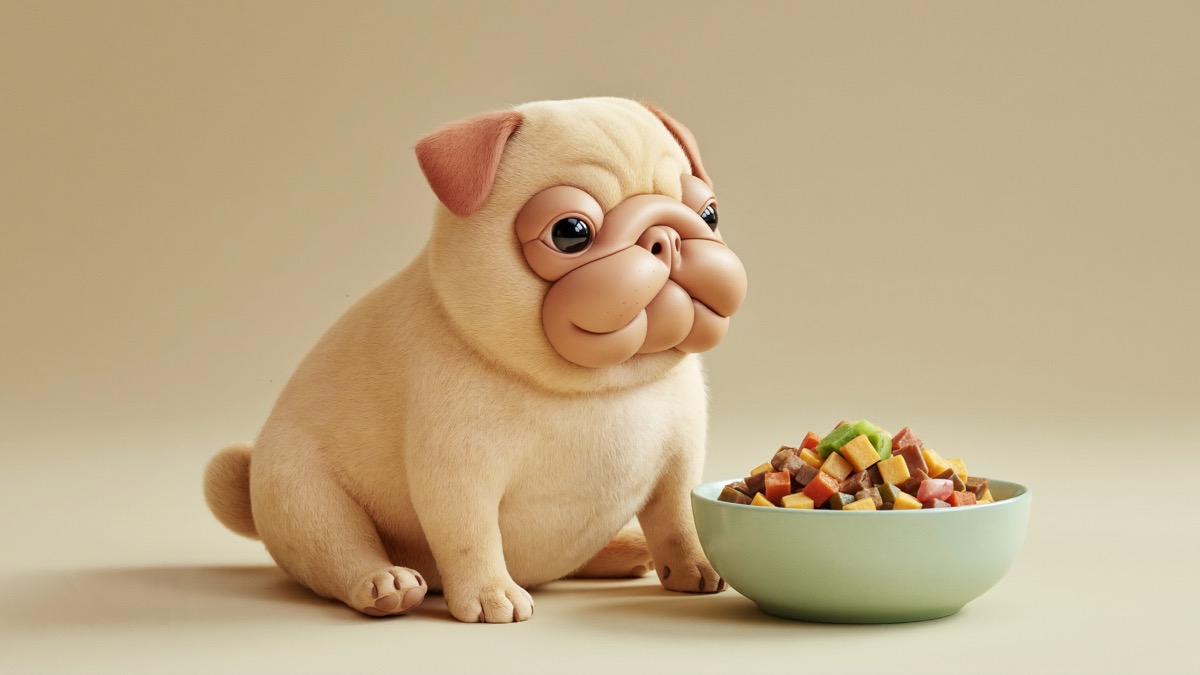
The facial wrinkles that give Pugs their expression trap moisture, skin oil, and food — and in 80% humidity, damp folds grow yeast and bacteria within days. Clean the nose-roll and facial folds two to three times a week with a damp cloth or vet-approved wipe, then dry thoroughly; smell or redness means a vet visit before it becomes a raw infection. The coat itself needs weekly brushing, though be warned: Pugs shed constantly and abundantly in the tropics, where there is no real seasonal cycle. A grooming mitt and a robot vacuum are the standard Pug-owner toolkit. Ears and nails round out a routine you can do at home; professional grooming is optional for this breed.
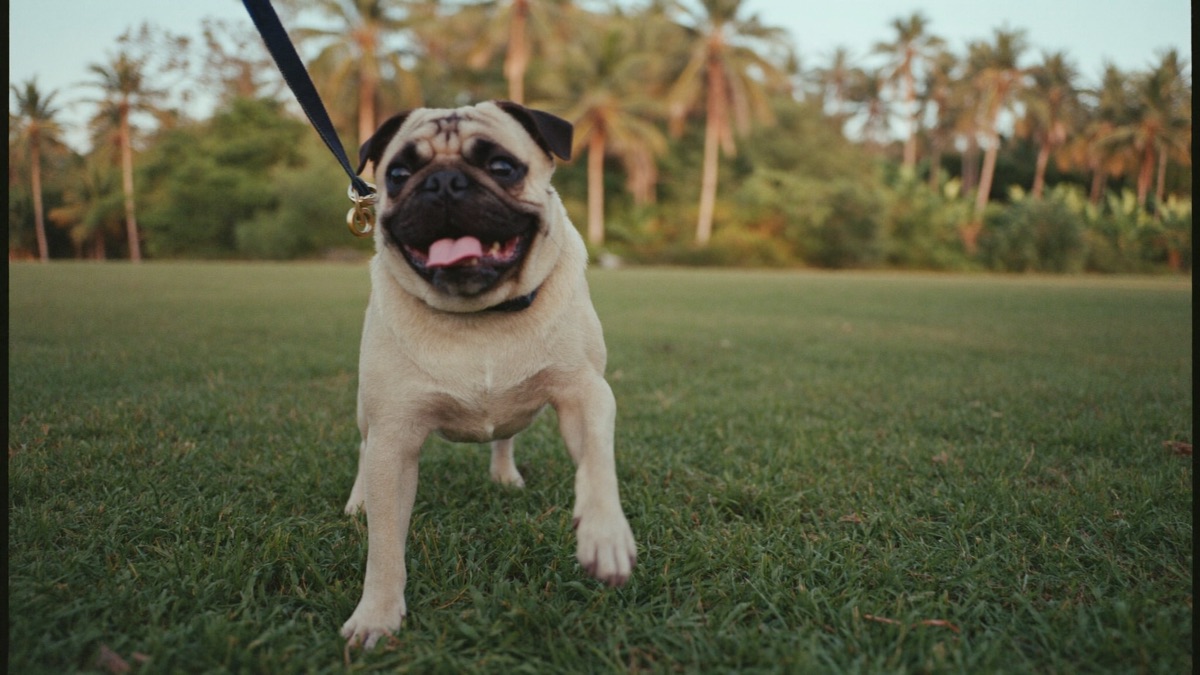
Can a Pug live happily in Singapore or Malaysia?
Yes, with a heat-disciplined owner. The rules are the same as for any flat-faced breed, applied strictly: walks before 9am or after 6pm, kept short and shaded; water everywhere; air-conditioning or strong airflow at home during the hottest hours; and no ball-chasing games in the heat, because Pugs will run themselves into danger for fun or food. Know the heatstroke signs — frantic panting, thick drool, bright-red gums, staggering — and treat them as an emergency, cooling the dog with room-temperature water on the way to the vet.
Apartment fit is otherwise excellent: modest exercise needs, small size, minimal barking. For HDB dwellers, the Pug is on the official approved list — verify the current list on HDB's Keeping Pets page, and remember the one-dog-per-flat rule. Microchipping and licensing through AVS are mandatory in Singapore; Malaysian owners should check local council licensing and condo by-laws. Pugs and Pug-crosses also appear in local shelters more often than you would expect — the SPCA adoption gallery is worth a look before you shop.
The verdict: a first-rate flat companion for someone home often, strict about food, and religious about avoiding heat. Wrong for joggers, long-hours households, and anyone who cannot afford emergency vet care.