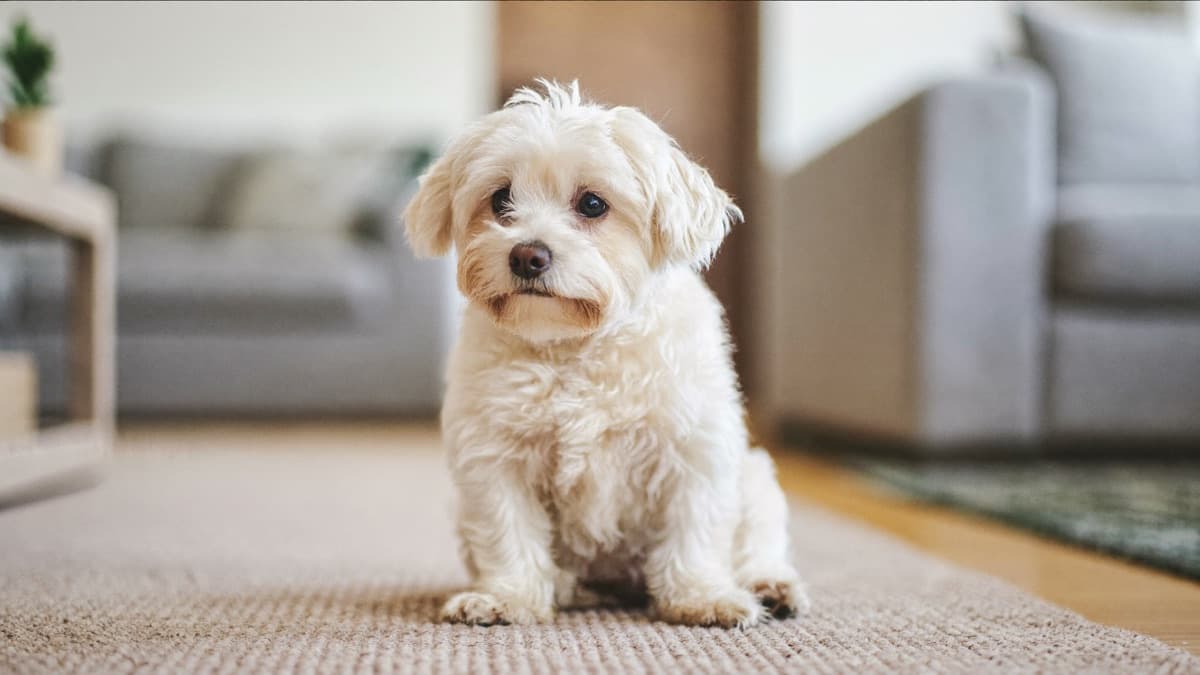
What are anal glands, exactly?
Every dog has two small scent sacs just inside the anus, at roughly four o'clock and eight o'clock. They fill with an oily, powerfully fishy-smelling fluid that is the dog's personal signature — it's why dogs sniff each other's rears and why they sniff every lamp post. In a healthy dog, each firm stool presses on the sacs and squeezes a little fluid out. The system self-empties, quietly, every time the dog poops.
Problems start when the fluid doesn't leave: soft stools that don't press hard enough, thick fluid that won't flow, or narrow ducts that block easily. The sacs stretch, itch, and ache — and the dog scoots, licks, and chews to relieve the pressure. Left blocked, the sac can become infected and eventually abscess, bursting through the skin beside the anus. That stage is painful, bloody, and a genuine vet visit — all downstream of a blockage that a S$10 expression would have cleared.
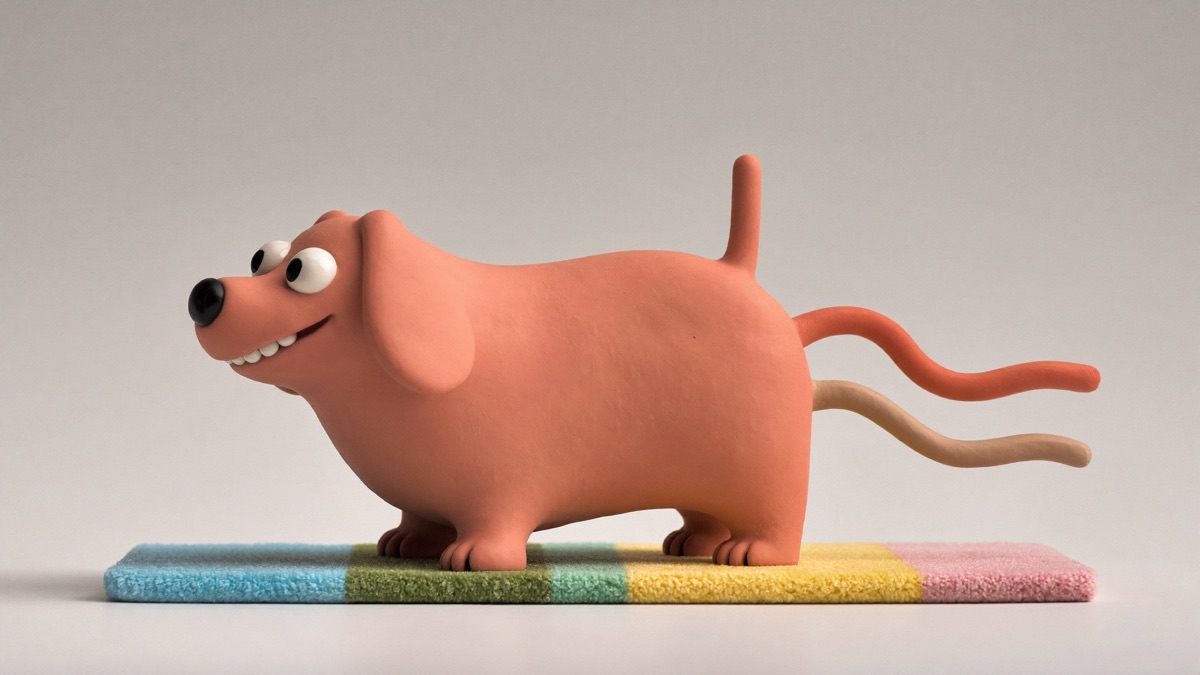
Why is my dog scooting?
Scooting is pressure relief. The full or irritated sacs itch deep where paws can't reach, so the dog drags the area along carpet, grass, or your favourite rug. Alongside scooting, watch for:
- Sudden turning to lick or bite at the base of the tail
- A strong fishy smell on the dog, the sofa, or wherever it just sat
- Discomfort or straining when pooping
- A swollen, red area beside the anus — or a wet, bloody patch, which means an abscess has burst (vet today)
Why do small breeds block so often?
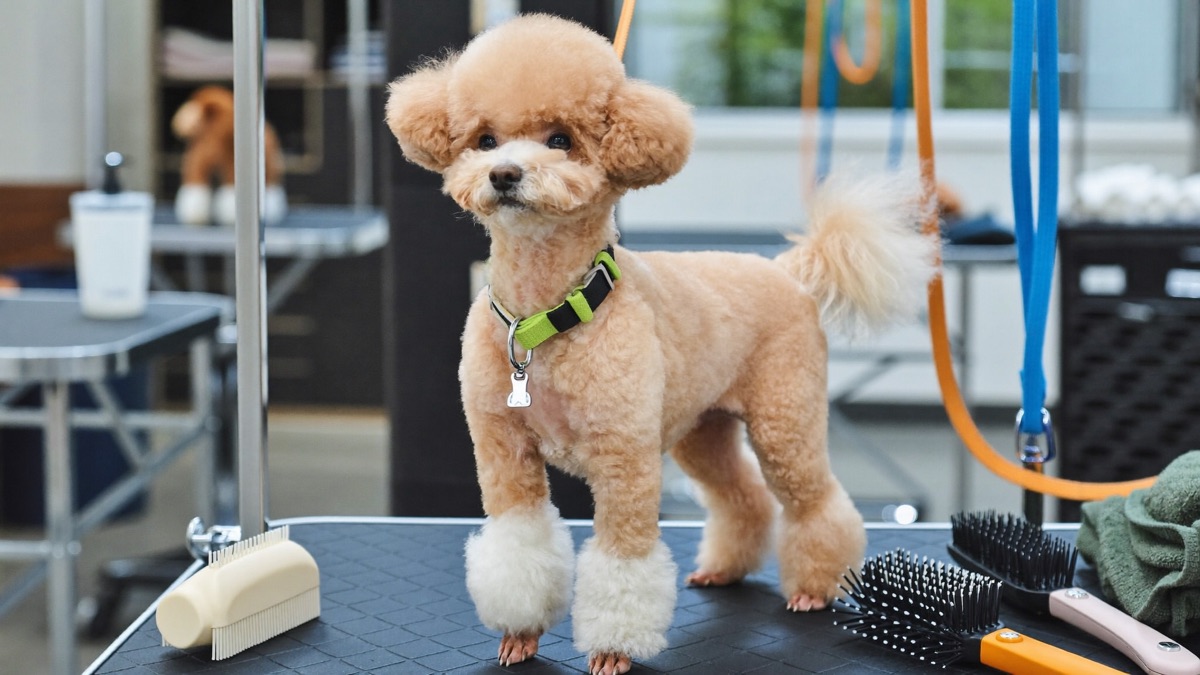
Toy Poodles, Maltese, Shih Tzus, Chihuahuas, and small mixed-breeds dominate the anal gland caseload — which in Singapore and Malaysia means a large share of the dog population. Their ducts are proportionally narrower and block more easily, and small breeds are more prone to the soft, small stools that never press hard enough to empty the sacs. Overweight dogs of any size have extra padding around the sacs that blunts the emptying pressure. Big, lean dogs with firm stools rarely have this problem at all.
Who should express the glands — groomer or vet?
Groomer: most grooming salons in Singapore offer anal gland expression as a standard add-on, typically around S$5–20 as of 2026 (often bundled free into full-groom packages); Malaysian salons charge a similar small add-on, roughly RM10–30. Groomers express externally — squeezing the sacs through the skin — which works fine for routine fullness.
Vet: vets express internally (a gloved finger, more complete emptying) and, more importantly, can spot infection, thickened fluid, or a growing abscess. Go to the vet rather than the groomer when there's blood, swelling, obvious pain, repeated blockage despite regular expression, or a burst abscess. You'll pay a consultation fee (typically S$40–80 in Singapore, RM50–150 in Malaysia as of 2026) plus a small procedure charge — the SVA vet directory lists clinics if you don't have a regular one.
If your groomer already handles it during the monthly groom, that cadence suits most problem-prone dogs — our grooming guide for Singapore and Malaysia covers what else the groom should include.
Can diet fix anal gland problems?
Often, yes — because the root cause is usually stool quality. The glands are emptied by firm stools, so anything that firms the stool helps the system self-clean:
- More fibre. A spoonful of plain cooked pumpkin or psyllium husk added to meals bulks and firms the stool. Many chronic scooters improve on this alone.
- A consistent, digestible diet. Constant diet hopping and rich table scraps produce the soft stools that let glands fill.
- Weight control. Slimming an overweight dog restores the mechanics of natural emptying.
- Rule out the soft-stool cause. If stools are chronically soft, fix that first — fibre is a bandage over an unaddressed food intolerance or gut issue.
When is scooting not the glands?
Worms — tapeworms in particular — irritate the same real estate, and an itchy bottom from parasites produces identical scooting. Rice-grain segments around the anus or in the stool settle it: that's tapeworm, and the fix is a dewormer, not an expression. Our guide to worms in dogs covers the signs and deworming schedule. Allergies also make the rear itchy in some dogs. If the glands keep coming up empty at the groomer but the scooting continues, the glands were never the problem — check the deworming date, then talk to your vet about skin and allergy causes.