What does kennel cough sound like?
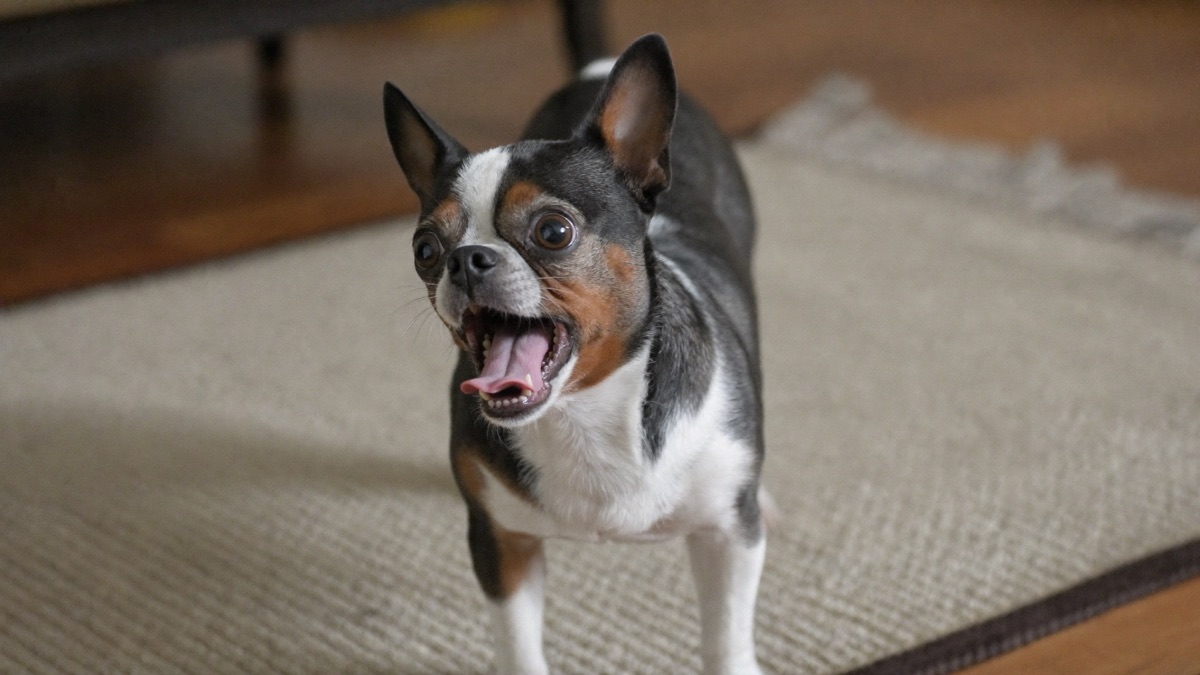
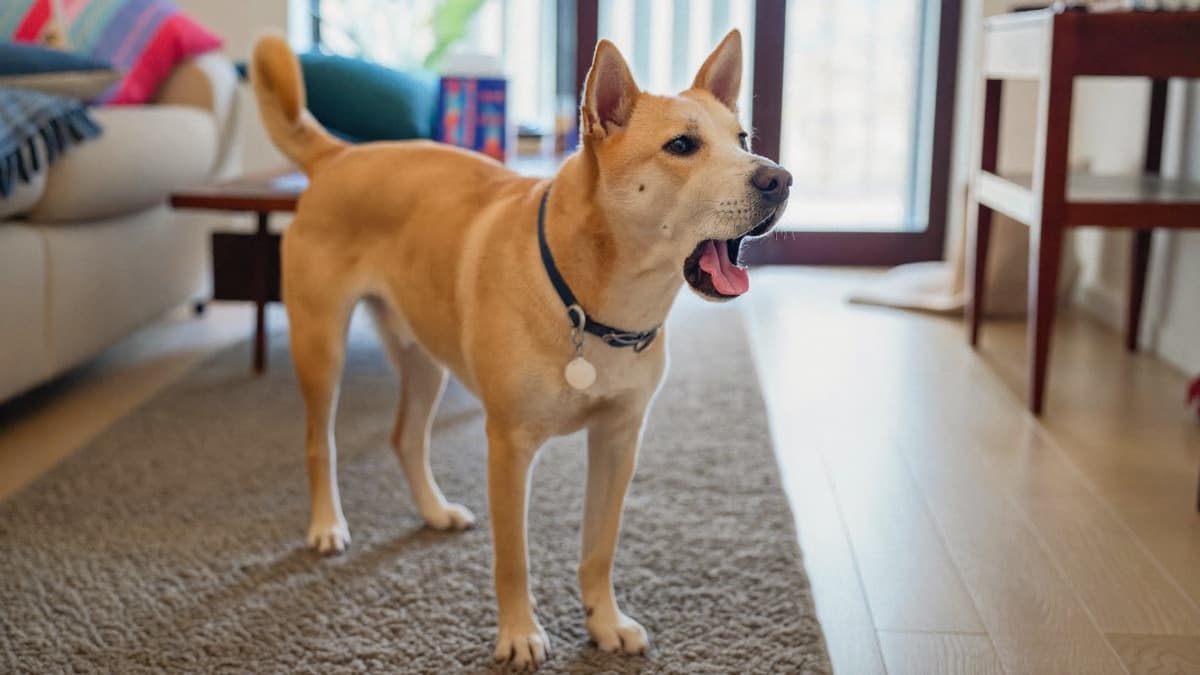
A dry, hacking, goose-honk cough, often coming in fits and frequently ending with a gag or a retch of white foam that owners mistake for vomiting. The dog typically seems fine between fits — eating, playing, tail up — which is the classic kennel cough picture. Pressing gently on the throat or excitement often triggers a bout.
That honk isn't unique to kennel cough, though: tracheal collapse in small breeds, heart disease, and heartworm all cough too. Our dog coughing guide walks through how to tell the sounds apart, and any cough plus laboured breathing, blue-grey gums, or a dog that can't settle is an emergency, not kennel cough.
How does kennel cough spread?
Fast, and by design of the places we take dogs. The culprits are a tag-team of pathogens — Bordetella bronchiseptica bacteria plus viruses like parainfluenza and canine adenovirus — travelling three ways:
- Airborne droplets from coughing dogs, which hang in shared indoor air.
- Direct contact — nose-to-nose greetings, mutual sniffing.
- Contaminated surfaces — shared water bowls, toys, kennel walls, human hands.
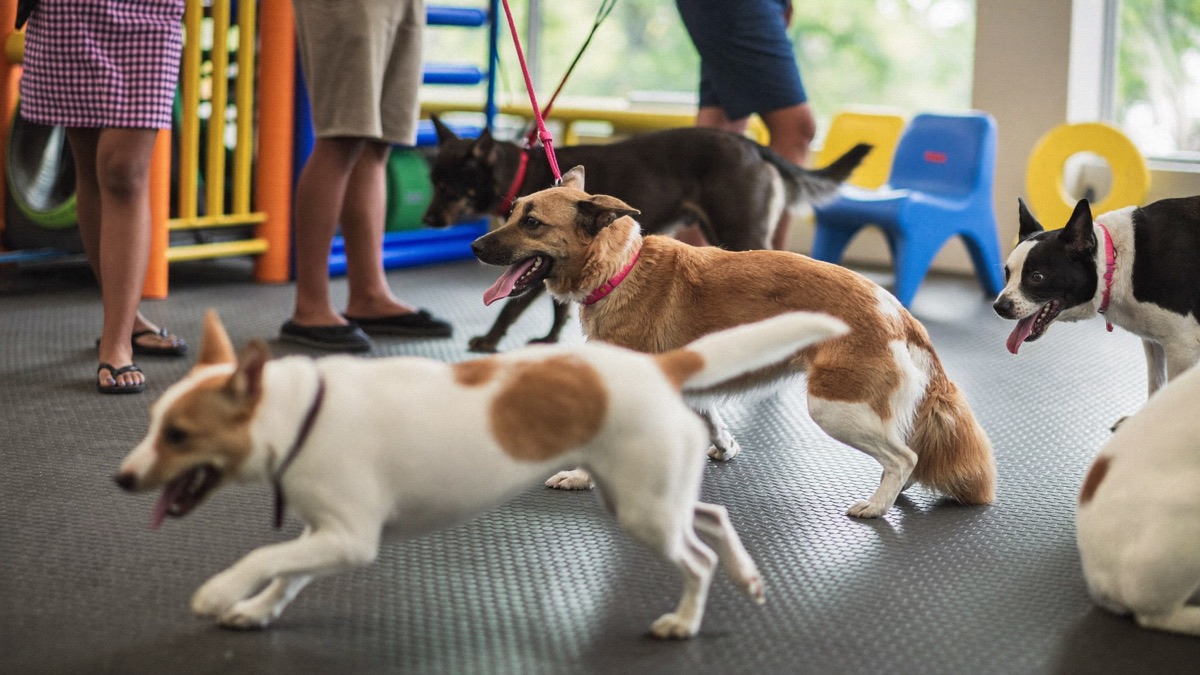
Incubation runs 2–10 days, so the dog that infects yours at daycare looked perfectly healthy at drop-off, and yours will look healthy while passing it on next week. That's why one coughing dog at a facility so often becomes ten — and why good facilities enforce vaccine rules.
When is kennel cough actually serious?
For most adult dogs it's self-limiting: annoying for a fortnight, then gone. It deserves a vet visit — promptly — when the patient is:
- A puppy, especially under six months and mid-vaccination series, where it can progress to pneumonia.
- A senior dog or any dog with heart or airway disease.
- A brachycephalic (flat-faced) breed — Pugs, Frenchies, Shih Tzus and bulldogs already breathe through a straw; swollen airways hit them harder.
- Any dog that turns lethargic, feverish, goes off food, or develops wet, laboured breathing — those are pneumonia flags, not a simple kennel cough.
Vets may prescribe cough suppressants for comfort, and antibiotics when Bordetella or secondary infection is suspected. Most uncomplicated cases need neither.
Should my dog get the Bordetella vaccine?
If your dog boards, does daycare or gets groomed professionally — effectively yes, because in Singapore and Malaysia most reputable facilities require proof of kennel cough vaccination, given at least 1–2 weeks before check-in so immunity is actually established. Our boarding and daycare guide covers what good facilities check.
The vaccine comes as an injection, an intranasal squirt or an oral dose; the nasal and oral versions work faster (from about 3–5 days). Be honest with yourself about what it does: like human flu jabs, it reduces the odds and severity of illness rather than guaranteeing immunity, because kennel cough is caused by a rotating cast of pathogens. A vaccinated dog can still catch a mild dose. It remains worth it — milder cases, less shedding, and it's your dog's ticket through every boarding gate before the Chinese New Year rush.
How do I care for a dog with kennel cough at home?
Comfort care, the same as you'd nurse a family cold:
- Rest for 1–2 weeks — no strenuous exercise, which sets off coughing fits.
- Swap the collar for a harness so nothing presses on an irritated windpipe.
- Humid air helps — let the dog sit in the bathroom during hot showers; in air-conditioned Singapore and Malaysian homes, dry cold air is a cough trigger, so ease off the aircon.
- Encourage fluids and soft, appetising food.
- Isolate from other dogs for at least two weeks after the last cough, and wash bowls and bedding.
- Never give human cough medicine — some contain ingredients toxic to dogs. Call the vet instead.
Most dogs are honking less within a week and silent within three. If the cough is worsening after a week, hangs on past three, or the dog's energy dips at any point, back to the vet — that's no longer standard kennel cough, and a chest X-ray is usually the next step.