Why does my dog shed all year round here?
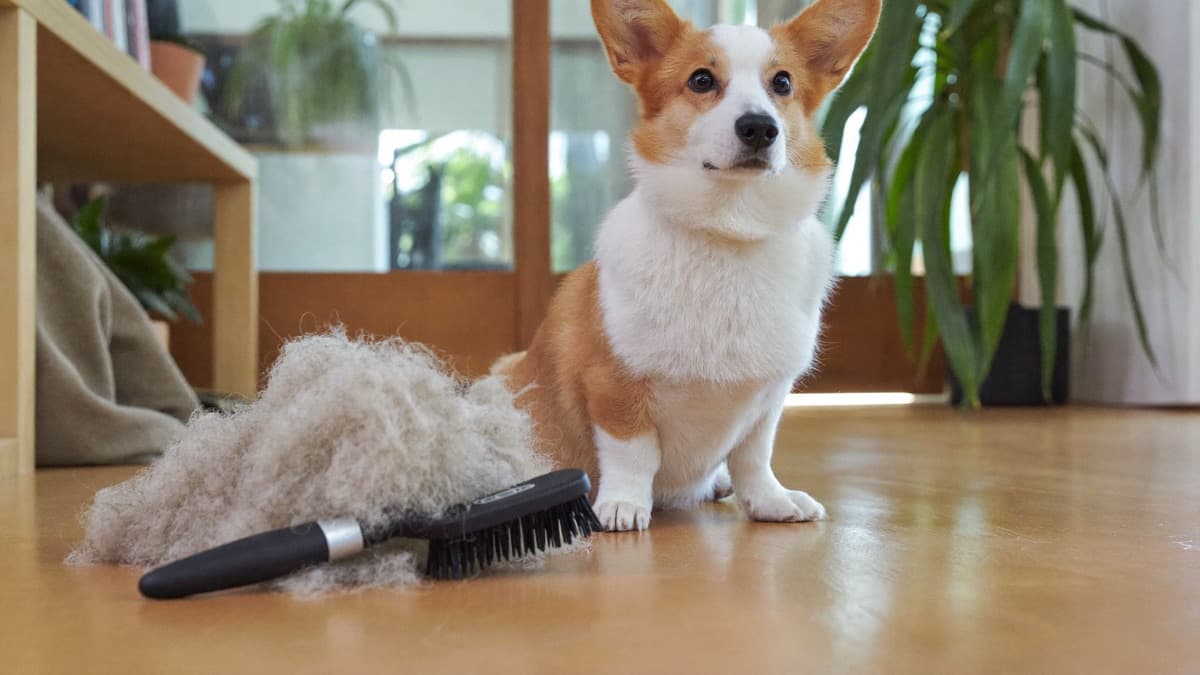
The dramatic spring and autumn "coat blow" you read about in overseas advice is triggered by photoperiod — changing day length — plus temperature swings. Hair follicles read those signals and push a big synchronized batch of hair into the shedding phase at once. On the equator, day length barely moves and it's warm every month, so the follicles never get the memo. The result: most dogs in Singapore and Malaysia shed continuously at a moderate rate, and heavy-coated breeds like Huskies, Corgis, and Golden Retrievers drop undercoat all year instead of in two tidy(ish) seasons. Air-conditioned indoor living blurs the signals further. This is why temperate-country advice to "brush extra during shedding season" translates here as: it's always shedding season, brush accordingly.
Which tool suits which coat?
Scroll sideways to compare all columns →
| Coat type | Examples | Main tool | How often |
|---|---|---|---|
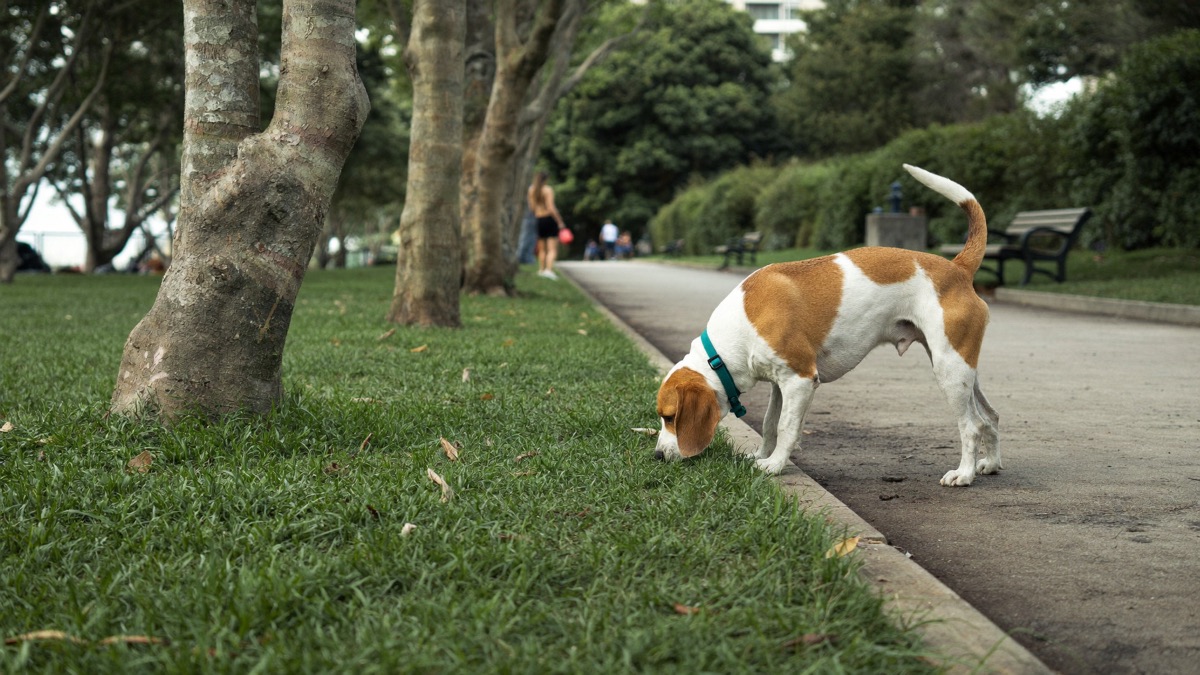
| Short, smooth | Singapore Special, Beagle, Frenchie | Rubber curry brush or grooming mitt | 1–2× a week |
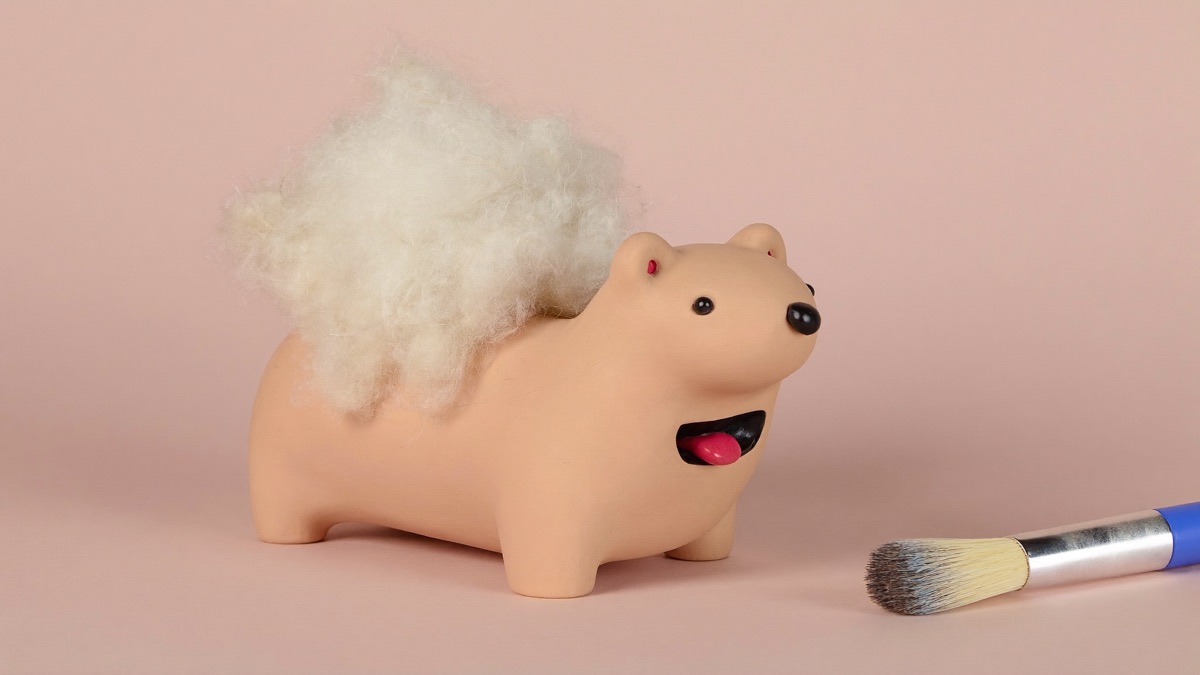
| Double coat | Corgi, Golden Retriever, Shiba, Husky | Undercoat rake + slicker; de-shedding tool sparingly | 2–3× a week, rake weekly |
| Long or silky | Shih Tzu, Maltese, Yorkie | Pin brush + steel comb to the skin | Daily to prevent mats |
| Curly or wool | Poodles, Bichons | Slicker + comb; professional clips | 2–3× a week (they trap shed hair — mats, not tumbleweeds) |
Two cautions. Blade-style de-shedding tools cut coat as well as pulling loose undercoat — used hard or often, they chew up healthy topcoat, so keep them to once a week at most and never on curly or silky coats. And brushing a dirty, damp coat splits hair and spreads smell; brush dry coats, and in this climate that means after the fan or aircon, not straight after a rain walk.
What does a proper de-shedding routine look like?
- Brush first, dry. Get the loose surface hair and any tangles out before water touches the coat — water sets tangles into mats.
- Bathe with a dog-pH shampoo and, for double coats, a conditioner that helps release undercoat. Our bathing guide covers frequency — every one to two weeks suits most coats here.
- Dry completely. This is the non-negotiable tropical step: a blow-dryer on cool or a groomer's forced-air dryer pushes out astonishing amounts of loosened undercoat and prevents the damp-coat skin problems humidity loves.
- Brush or rake again once fully dry — this pass removes the hair the bath loosened.
For heavy shedders, a professional de-shedding groom every four to eight weeks does this with better equipment; as of 2026 expect roughly S$90–S$160 for a medium dog's full groom in Singapore or RM60–RM150 in Malaysia. Never let anyone talk you into shaving a double coat "for the heat" — it wrecks the coat's insulation and UV protection and the regrowth is often permanently patchy.
Does diet affect shedding?
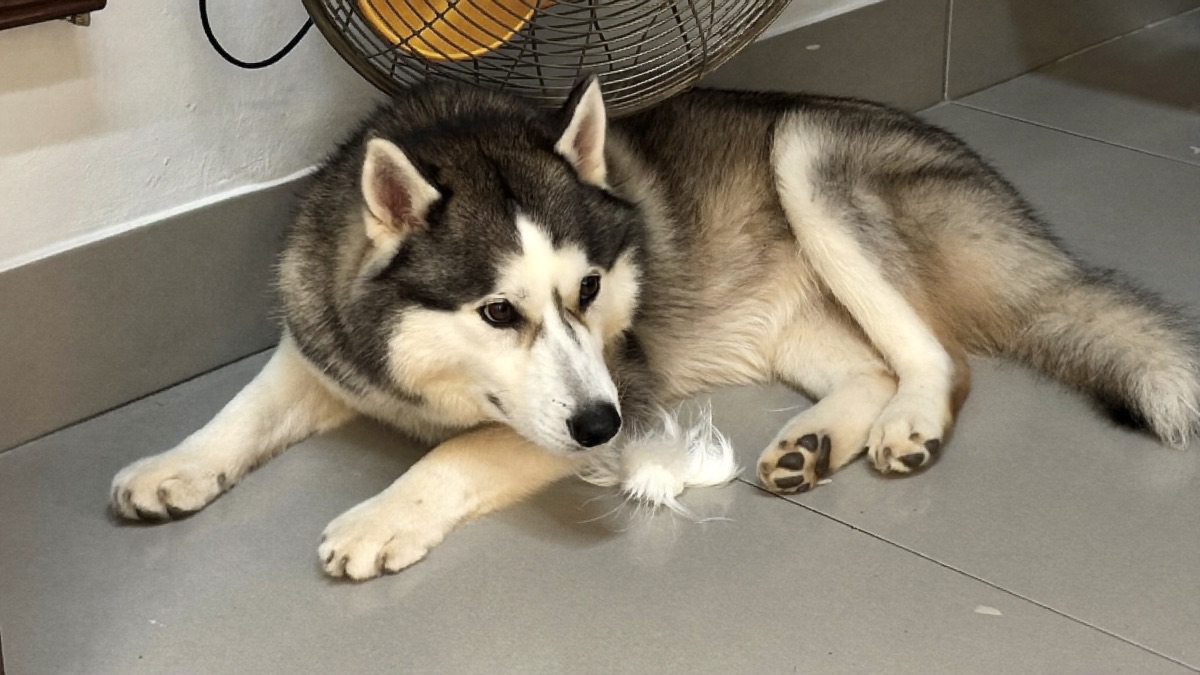
Meaningfully. Hair is almost entirely protein, and a coat growing on a cheap, marginal diet sheds more and shines less. Feed a complete diet with named animal protein, and consider omega-3 fatty acids (EPA and DHA), which support skin-barrier health and coat quality — our fish oil guide covers dosing and choosing a product. Give any diet change six to eight weeks to show in the coat, because you're waiting for new hair to grow, not for old hair to improve. Sudden heavy shedding after stress — boarding, moving house, a new baby — is real (stress dumps hair follicles into the shed phase early) and settles on its own within a few weeks.
When is it hair loss, not shedding?
Shedding is diffuse and symmetrical, and the coat over it looks normal. See a vet — rather than buying a better brush — if you notice:
- Bald patches or thinning areas, especially with red, dark, flaky, or smelly skin — in this climate that pattern points at skin infections and humidity-driven problems
- Itching, licking, or chewing at the areas losing hair
- Symmetrical hair loss on the flanks or tail with no itch — a classic hormonal pattern (thyroid and other endocrine disease)
- A dull, greasy, or smelly coat change alongside the shedding
- Hair that comes out in clumps leaving broken stubble rather than sliding out whole
A shedding dog is losing hair it has finished with; a balding dog is losing hair it still needs. The first one needs a routine. The second one needs a diagnosis.