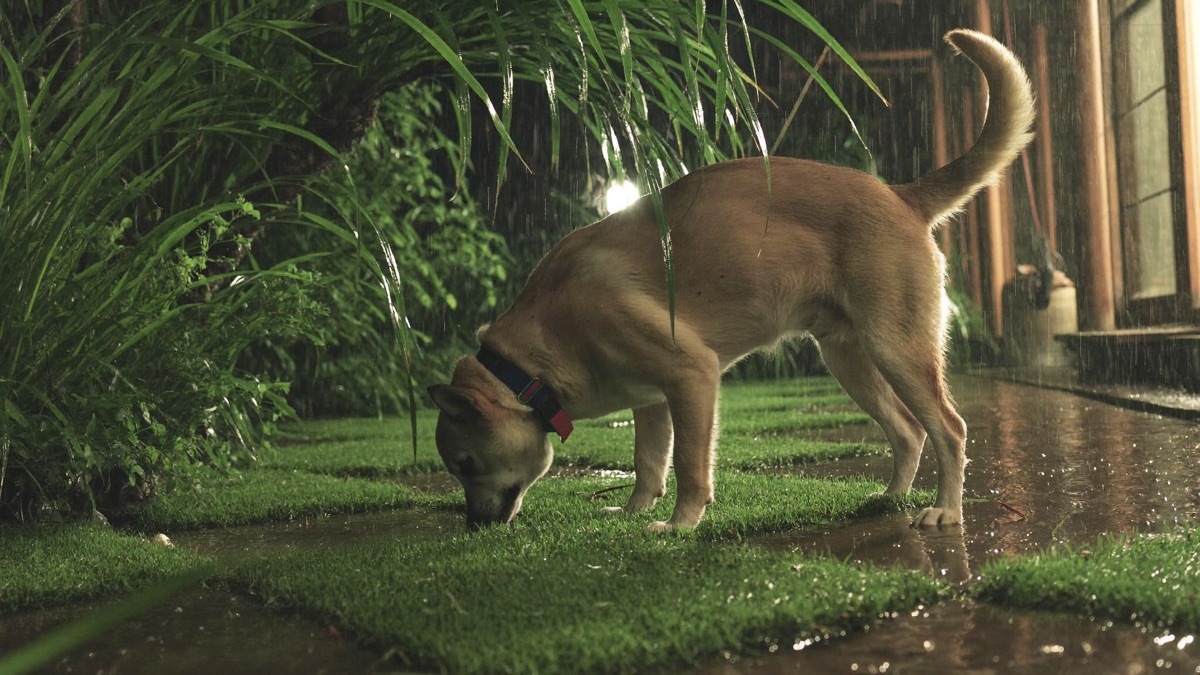
Which snakes are a risk to dogs in Singapore and Malaysia?
You don't need to identify species — you need to know the broad categories and where they rest.
Scroll sideways to compare all columns →
| Category | Where dogs meet them | Risk |
|---|---|---|
| Cobras | Drains, thick shrubs, undisturbed corners of parks and gardens | Venomous — some species can also spray venom at the eyes |
| Pit vipers | Low branches, hedges, tall grass, near water | Venomous — bites cause severe local swelling and tissue damage |
| Pythons | Drains and canals, especially at night | Non-venomous, but large ones can inflict deep bite wounds |
| Rat snakes and other non-venomous species | Grass, parkland | Usually harmless, but any bite wound needs a vet check |
Snakes are most active around dawn, dusk, and after rain, when they move between shelter and hunting spots. That overlaps neatly with the cooler hours we walk dogs here — which is exactly why prevention matters.
How do I prevent my dog from being bitten?
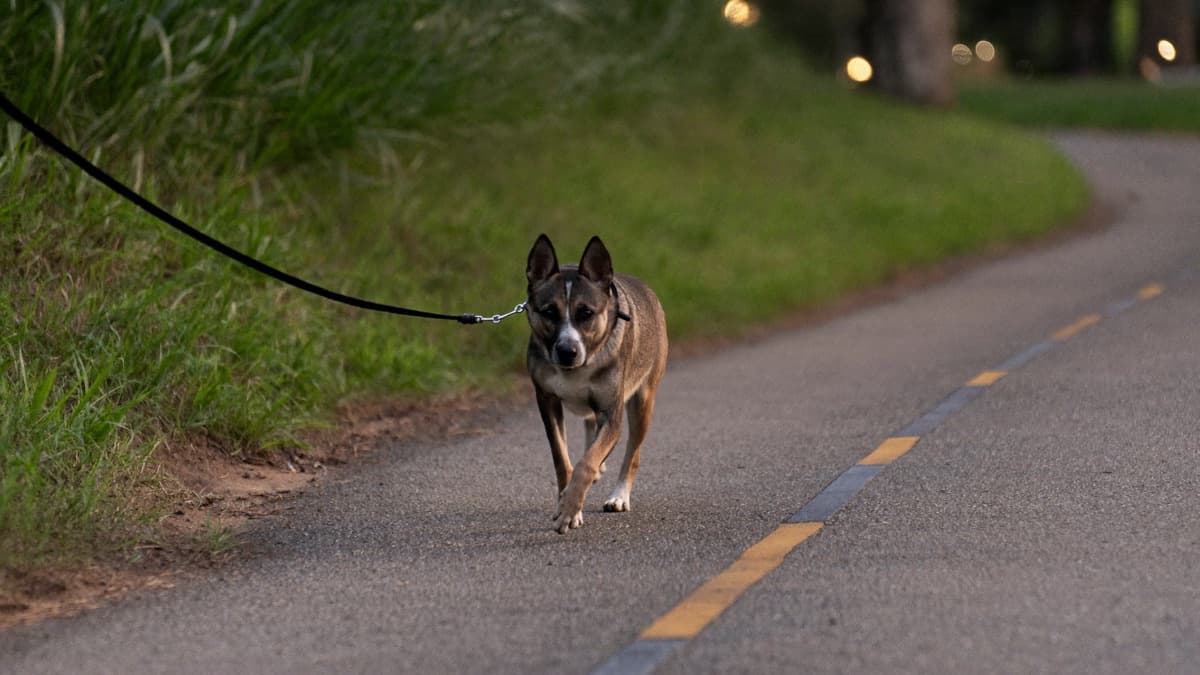
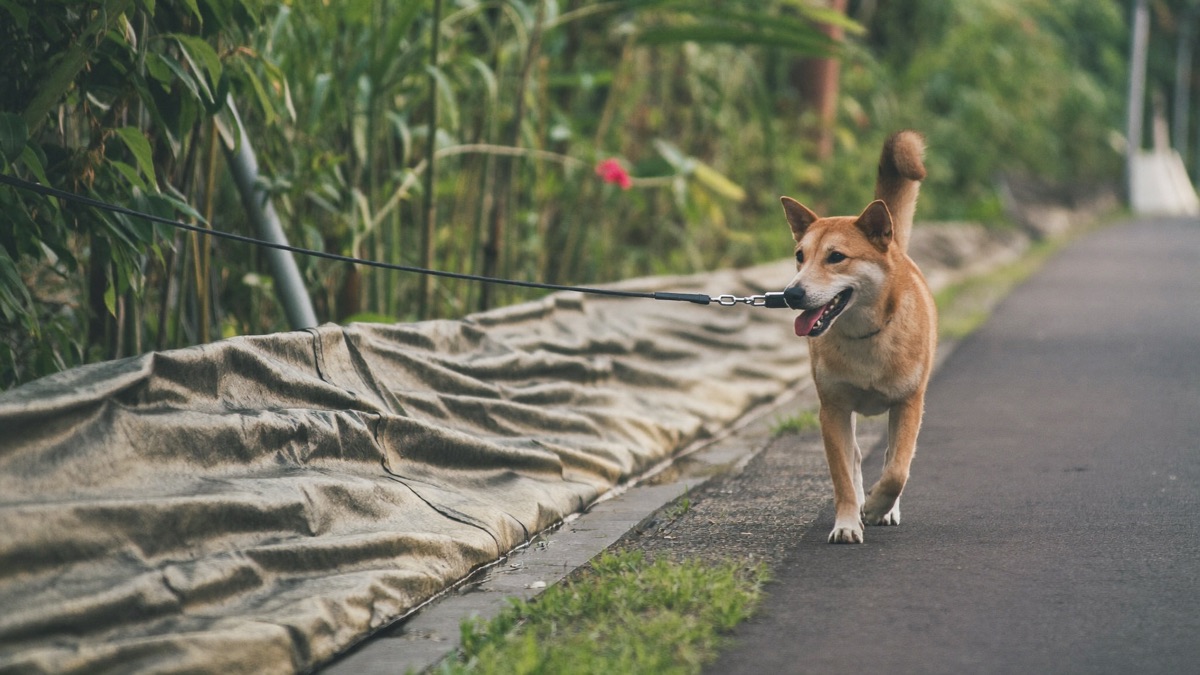
- Keep your dog on a short leash on grass verges and near drains. A dog ranging on a long line into undergrowth is the classic bite scenario. NParks' own advice for snake encounters includes keeping pets on a tight leash.
- Don't let your dog investigate drains, bushes, rock piles, or leaf litter — sniffing into a hidden snake's face reads as an attack.
- Stay on paved paths during dawn and dusk walks, and carry a torch at night so you can see the path edge.
- If you see a snake, stop, stay calm, and back away slowly with your dog. Snakes don't chase; give them space and they will leave. Never let your dog bark at, corner, or "point" at one.
- In your own garden, keep grass short, clear clutter and wood piles, and deal with rodent problems — rats attract snakes.
In Singapore, snake sightings in public areas can be reported to NParks' Animal Response Centre on 1800-476-1600; the NParks snake advisory covers encounters in detail. Never attempt to handle or relocate a snake yourself.

What first aid should I give for a snake bite?
There is very little useful first aid for snake bite — and a lot of harmful folklore. The genuinely helpful steps:
- Move away from the snake so nobody is bitten again.
- Keep your dog calm and as still as possible. Movement and a racing heart spread venom faster.
- Carry your dog to the car — do not let them walk, even if they seem fine. If the dog is too heavy, walk them slowly on a short leash.
- Remove the collar if the bite is anywhere near the head or neck, before swelling starts.
- Keep the bitten area below heart level if you can do so without a struggle.
- Go straight to an emergency vet and call ahead so the team can prepare — the SVA vet centres directory can locate the nearest clinic if you're away from home.
Just as important is what you must not do, because these old remedies cause real harm:
- No tourniquets or tight bandages — they concentrate venom and can cost the limb.
- Never cut the bite site, and never try to suck out venom. It does not work and makes everything worse.
- No ice, no heat, no washing the wound (residual venom on skin can help some labs identify the snake), and no human medications of any kind.
How do vets treat snake bites in dogs?
The vet will assess the bite, run blood tests to check clotting and organ function, and treat the specific effects: intravenous fluids, pain relief, airway support, and wound care. Where the signs indicate significant envenomation, antivenom is the definitive treatment — but not every clinic stocks every antivenom, which is another reason to call ahead rather than clinic-hop. Dogs are typically monitored for 24–48 hours, because some venom effects, particularly on clotting and nerves, develop over hours. Even an apparently "dry" bite gets monitoring, and any bite wound — venomous or not — carries a heavy infection risk in our humid climate, so antibiotics and follow-up checks are common.
Bites on the face and muzzle (the most common site, for obvious sniffing-related reasons) can swell enough to threaten the airway, so facial swelling after any outdoor outing deserves an urgent vet visit even if you never saw a snake.
What should I keep ready at home?
A snake bite is one of the emergencies where preparation is mostly information, not equipment: know your nearest 24-hour emergency clinic and its phone number before you ever need it, and keep it on the fridge and in your phone. Our dog first aid kit guide includes an emergency numbers card for exactly this reason, and it's worth reading alongside our toad poisoning guide — the other wildlife emergency that catches dog owners here off guard.