Is fish good for dogs?
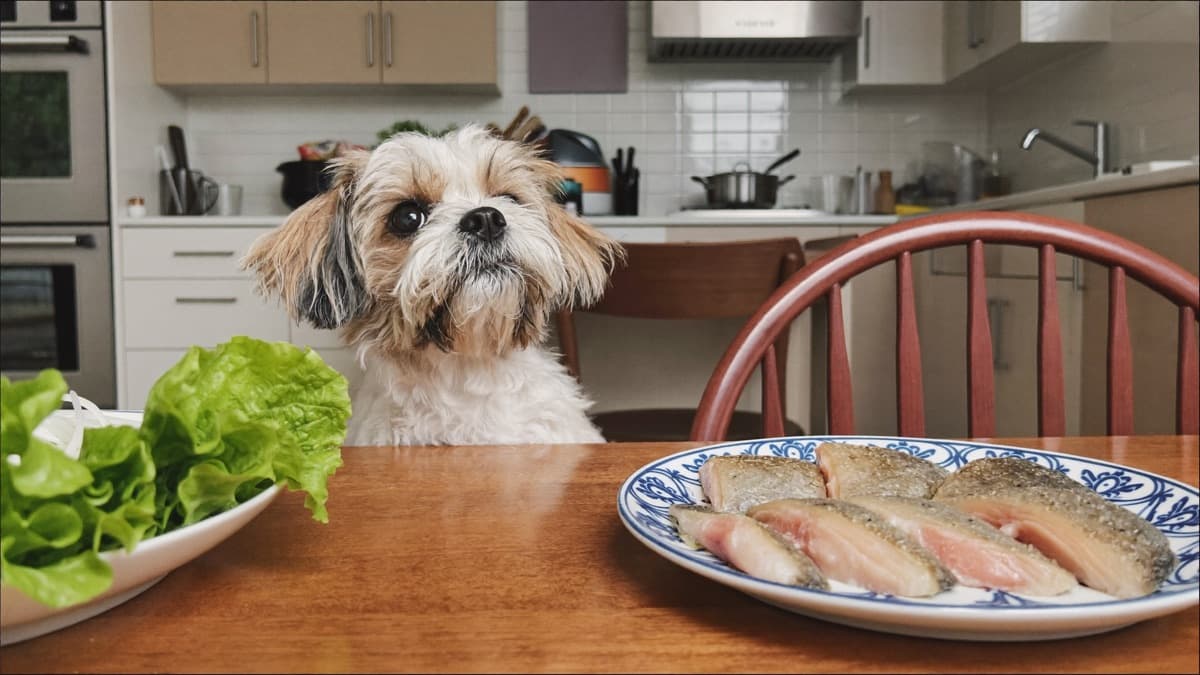
Genuinely, yes. Fish is lean, highly digestible protein, and oily fish brings omega-3 fatty acids (EPA and DHA) that support skin, coat, joints and heart — the same reason vets recommend fish oil for dogs as a supplement. Dogs with chicken or beef allergies often do well on fish-based diets precisely because it is a protein they have never met before.
Cook it plainly: steamed, boiled, baked or pan-cooked without oil, and skip the soy sauce, ginger-garlic dressing, assam gravy and chilli that make our local fish dishes delicious. Fried fish — and anything battered — soaks up enough oil to upset stomachs and, in susceptible dogs, trigger pancreatitis.
How much fish is safe for my dog?
Cooked, plain, deboned, and inside the 10 percent treat allowance.
Scroll sideways to compare all columns →
| Dog size | Example weight | Safe amount per serving |
|---|---|---|
| Small (Chihuahua, toy poodle, shih tzu) | Under 10 kg | 1–2 tablespoons, flaked |
| Medium (beagle, Singapore Special, border collie) | 10–25 kg | 3–4 tablespoons |
| Large (golden retriever, GSD, labrador) | Over 25 kg | Up to half a cup |
Why are fish bones such a problem?
Fish bones are thin, needle-sharp and nearly invisible once cooked. They can jab into the mouth or throat, lodge across the palate, or travel down and scratch or pierce the gut lining. Unlike a big pork bone, a fish bone is easy to swallow without chewing — which is exactly the problem.
The classic local scenario: steamed whole fish for dinner, and the frame, head and trimmings go into a plate on the table or a bag by the bin. That carcass smells irresistible, and one unsupervised minute is all it takes. If you share fish, strip the flesh off the bone yourself and run your fingers through it — the same check you would do for a toddler. Bin the frame in a closed container immediately.

Can dogs eat raw fish?
As a habit, no. Two separate issues:
- Parasites and bacteria. Raw fish can carry flukes, tapeworm larvae and bacteria such as listeria and salmonella. Freezing to sashimi standards kills most parasites but not bacteria.
- Thiaminase. Many fish species contain an enzyme that destroys thiamine (vitamin B1). One raw meal will not hurt, but dogs fed raw fish regularly can develop a genuine deficiency, which affects the nervous system. Cooking destroys the enzyme.
Honest answer for sushi households: if your dog snatches a piece of plain salmon or tuna sashimi, it is very unlikely to come to harm, and there is no need to panic. Just do not make raw fish a routine treat, and never share anything with wasabi, soy sauce or vinegared rice seasoning.
Which fish are best — and worst — for dogs?
Scroll sideways to compare all columns →
| Verdict | Fish | Why |
|---|---|---|
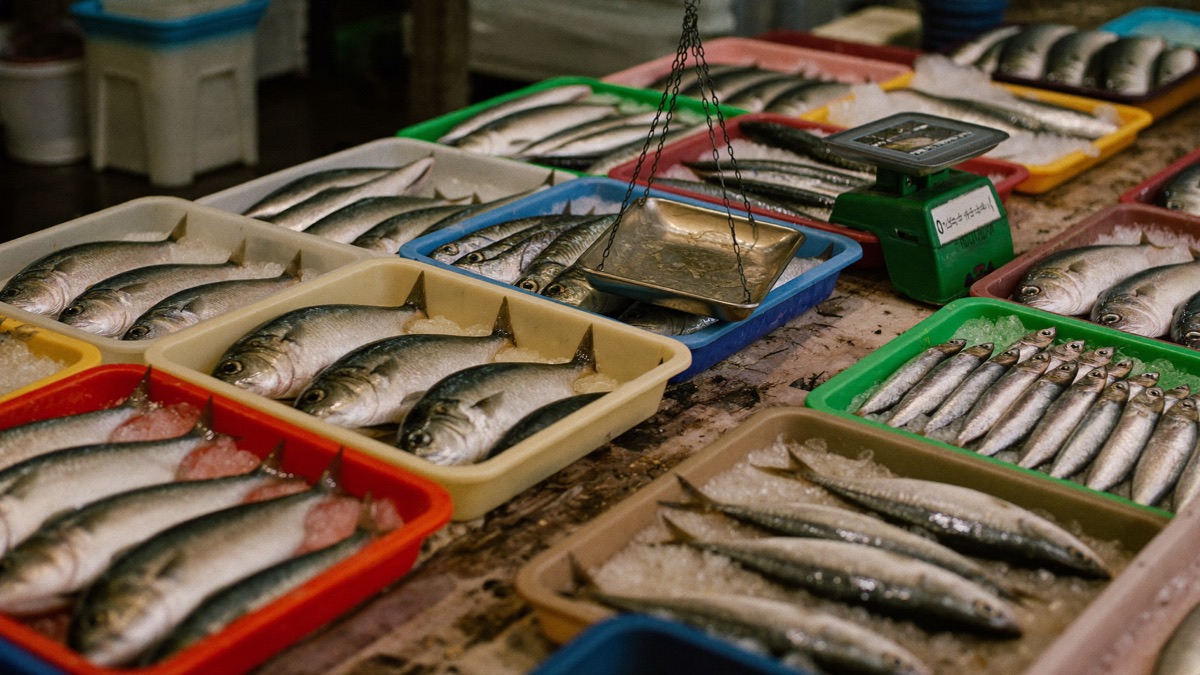
| Best | Sardines, kembung (Indian mackerel), selar, unsalted anchovies, cooked salmon | Small, oily, short-lived — rich in omega-3s and low on the food chain, so far less mercury |
| Limit | Swordfish, shark, king mackerel, big tuna | Large, long-lived predators carry the most mercury; an occasional bite is fine, regular feeding is not |
| Skip | Salted fish (kiam hu), curry/assam/sambal fish, battered fried fish, fish balls and fish cake | Too much salt, oil or seasoning — and fish balls are more salt and starch than fish |
When should I call the vet?
Call promptly if:
- Your dog ate fish with bones and is gagging, pawing at the mouth, drooling, retching or refusing food.
- Your dog took fish cooked with onion, garlic or heavy sauces in more than a token amount.
- You see vomiting or diarrhoea lasting more than 24 hours after any fish meal.
- After regular raw fish feeding you notice wobbliness, weakness or odd neurological signs — mention the diet to your vet specifically.
In Singapore, the Animal & Veterinary Service is the national authority on animal health, but for a lodged fish bone your nearest clinic is the number to ring.
Fish allergies exist too, though they are less common than chicken or beef allergies. Itchy skin, ear infections or chronic soft stool after fish meals are worth raising — our guide to food allergies in dogs explains how an elimination diet works.
Can dogs eat fish balls, fish cake or crab sticks?
No — skip them. Fish balls, fish cake and crab sticks are heavily processed: more salt, starch and flavouring than fish, and a smooth round shape that greedy dogs bolt whole and choke on. They carry none of the omega-3 benefit of real fish and all of the salt. One dropped fish ball won't poison a healthy dog, but they should never be a treat.
The same "it's the extras, not the fish" rule catches the other lookalikes:
- Salted fish (kiam hu) and dried seafood snacks — extreme salt; small dogs can hit toxic doses fast.
- Fish head curry and assam fish gravy — onion, garlic and chilli in the gravy, sharp bones in the head.
- Sushi rolls — the fish may be fine, but wasabi, pickled ginger and seasoned rice are not.
Plain and boneless, fish is one of the good ones. It is everything we add to it that causes the trouble.