Emergency tier: call a vet immediately
- Xylitol (birch sugar) — sugar-free gum, some peanut butters, baked goods, toothpaste. Causes catastrophic blood-sugar crash within 30–60 minutes, then liver failure. Tiny amounts are lethal.
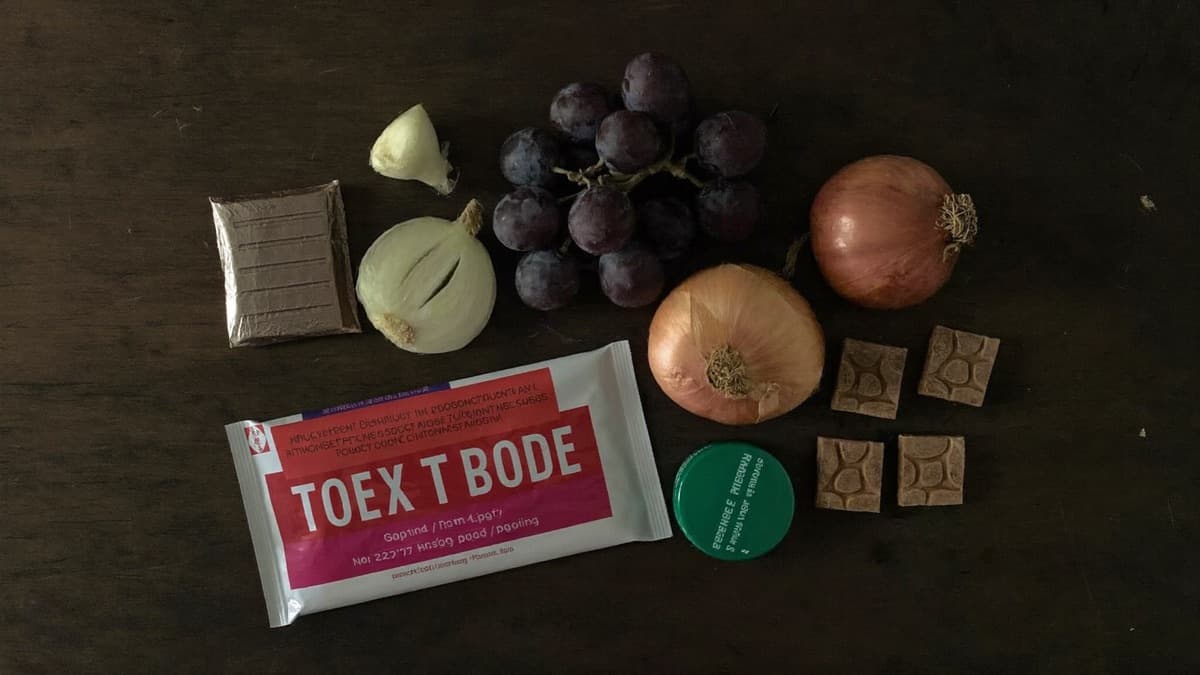
- Grapes, raisins, sultanas, currants — unpredictable kidney failure; no known safe dose. Includes raisin bread, trail mix, hot cross buns, and the raisin buns and fruit cake from the neighbourhood bakery.
- Chocolate and cocoa — the darker, the deadlier. Theobromine causes tremors, seizures, and heart arrhythmias. Baking chocolate is roughly 10× as toxic as milk chocolate per gram.
- Macadamia nuts — weakness, tremors, and hyperthermia, sometimes from just a few nuts.
- Alcohol and raw yeast dough — dough rises in the stomach and ferments alcohol into the bloodstream; both are emergencies.
- Onions, garlic, leeks, chives — in quantity (or repeated small doses), they destroy red blood cells. Onion powder in gravies, soups, and baby food counts — as do the fried shallots and garlic-heavy bases of most hawker and home-cooked dishes.

Serious tier: vet call warranted
- Cooked bones — splinter and can perforate the gut (raw bones carry their own debate; cooked are simply off the table).
- Corn cobs — a classic surgical obstruction; dogs swallow chunks whole.
- Fatty scraps, bacon grease, ham fat — a leading trigger of pancreatitis, which routinely hospitalises dogs after holiday meals.
- Wild mushrooms — some species cause liver failure; treat unknown mushrooms as toxic.
- Nutmeg — hallucinations and heart effects in quantity.
- Caffeine — coffee grounds, tea bags, energy drinks.
Bad-idea tier: not poison, still don't
- Dairy — most adult dogs are lactose intolerant; expect diarrhoea rather than danger.
- Salty snacks in volume — chips, pretzels, jerky; extreme cases cause sodium toxicity.
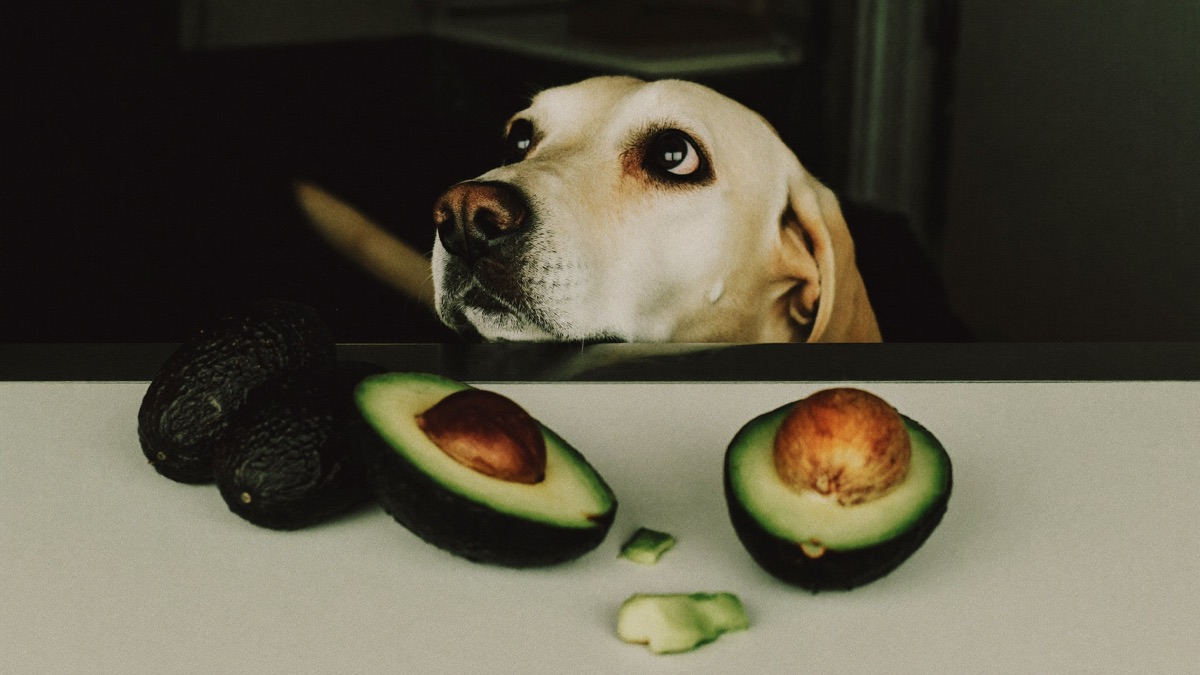
- Avocado — mildly problematic flesh, but the pit is a perfect obstruction.
- Raw eggs and raw meat — salmonella/E. coli risk is real for the dog and the humans in the kitchen.
If your dog just ate something on this list
- Remove the rest of the food and keep the packaging — ingredient lists matter.
- Estimate the amount eaten and note your dog's weight.
- Call your vet or a poison hotline before doing anything else.
- Do not induce vomiting unless a professional tells you to — with caustics or in wheezy flat-faced breeds it can make things worse.
Speed matters: for most toxins, decontamination within 1–2 hours dramatically improves outcomes.