Is rice safe and healthy for dogs?
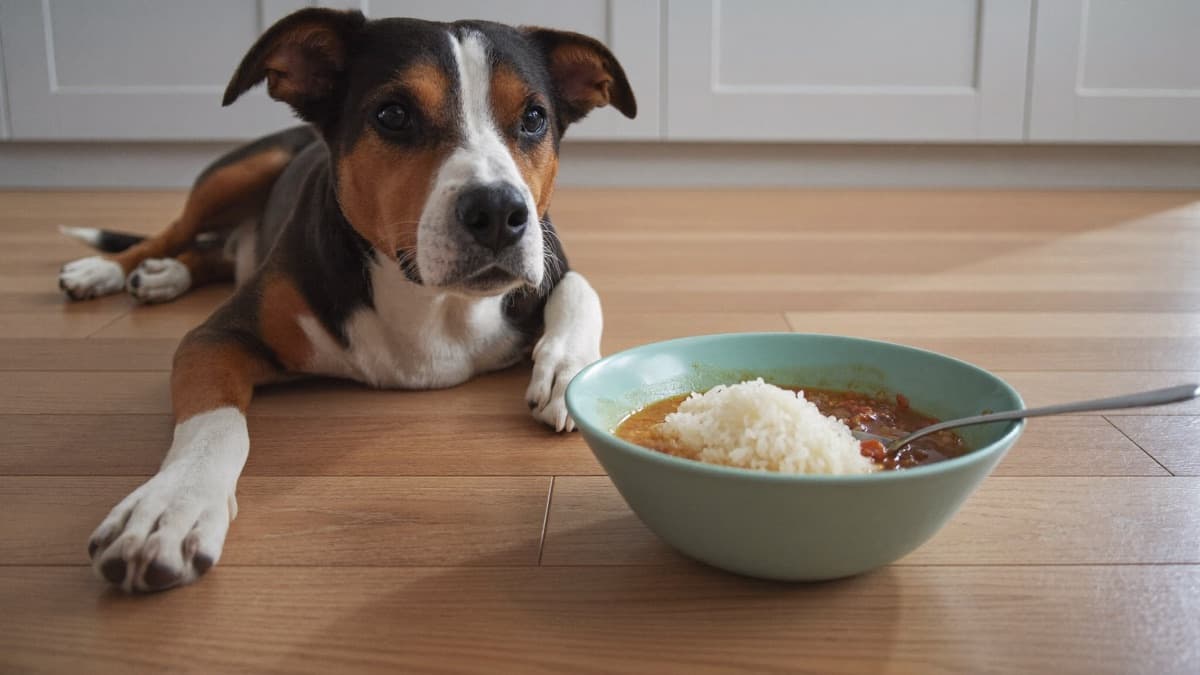
Rice is a gentle, gluten-free carbohydrate that most dogs digest without fuss, which is exactly why it appears in so many dog food formulas. It provides energy, a little protein, and small amounts of B vitamins and minerals.
What plain rice is not is a complete meal. Dogs need protein, fats, vitamins and minerals in the right balance, and a bowl of rice covers almost none of that. Rice is best as an occasional mixer, a bland-diet ingredient, or part of a properly balanced home-cooked plan designed with your vet. It's also calorie-dense, so overweight and diabetic dogs should get little or none — ask your vet first.
Is white or brown rice better for dogs?
Both are safe for dogs when plainly cooked. White rice is softer and easier to digest, making it the vet's choice for an upset stomach; brown rice keeps more fibre and nutrients and suits healthy dogs. Diabetic dogs should have white rice only sparingly, if at all.
- White rice is more processed, softer and easier to digest. It's the standard choice when a dog has diarrhoea or a sensitive stomach. The trade-off is a higher glycaemic index, so it's the wrong choice for regular feeding to diabetic dogs.
- Brown rice retains the bran, so it carries more fibre and nutrients. It suits healthy dogs as an occasional addition, but that extra fibre makes it harder work for a recovering gut — skip it during stomach upsets.
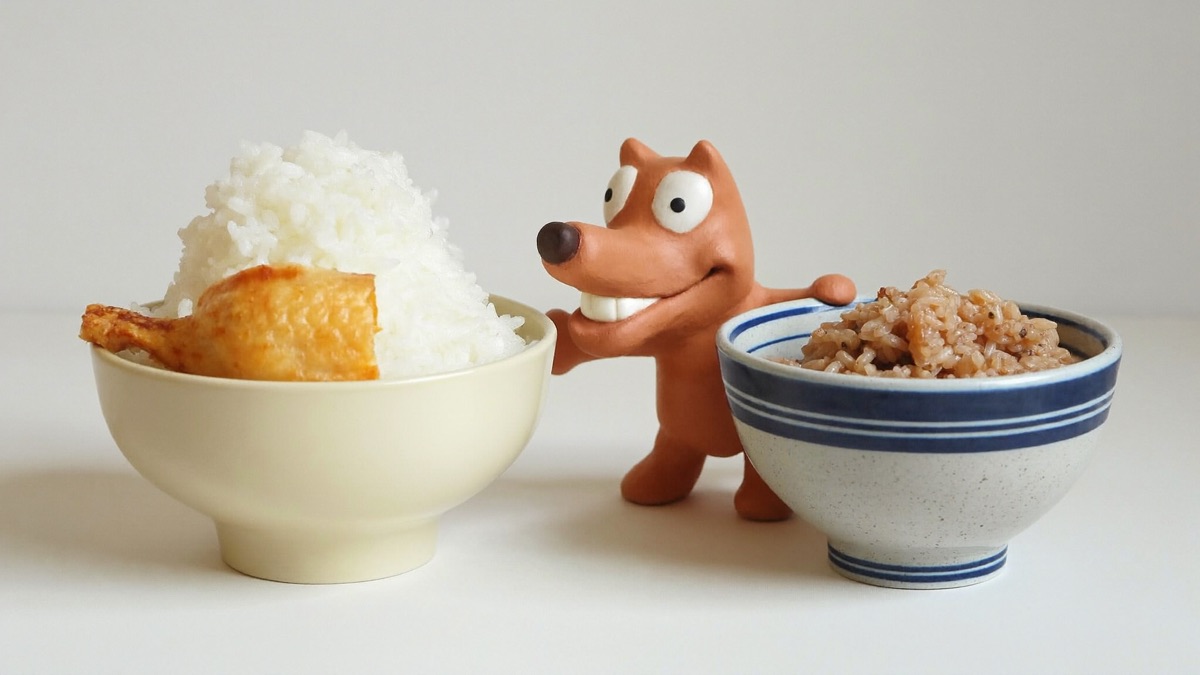
Either way, cook rice thoroughly in plain water. No salt, no oil, no stock cubes (most contain onion and garlic powder), no pandan-and-garlic chicken rice method — plain means plain.
How do I use rice in a bland diet for my dog?
For mild diarrhoea in an otherwise bright, adult dog, vets commonly suggest a short-term bland diet: plain boiled white rice with plain boiled skinless chicken breast, roughly one part chicken to two parts rice, fed in small, frequent portions for two to three days before transitioning back to normal food.
Two cautions. First, a bland diet is a stopgap, not a treatment — if diarrhoea persists beyond 24–48 hours, or your dog is a puppy, elderly, or acting unwell, see the vet instead of extending the rice. Second, don't "improve" the recipe with seasoning; the blandness is the point.
How much rice can my dog have?
For a healthy dog eating a complete diet, added rice is a treat and should stay within the usual 10%-of-calories treat allowance — our guide to how much to feed a dog shows how to size that.
Scroll sideways to compare all columns →
| Dog size | Example breeds | Safe amount of plain cooked rice (occasional) |
|---|---|---|
| Small (under 10 kg) | Toy Poodle, Shih Tzu, Chihuahua | 1–2 tablespoons |
| Medium (10–25 kg) | Singapore Special, Beagle, Corgi | 2–4 tablespoons |
| Large (over 25 kg) | Labrador, Golden Retriever, German Shepherd | Up to ¼–⅓ cup |
Bland-diet portions during an upset stomach are different — your vet can size those to your dog's weight and condition.
Why is fried rice dangerous for dogs?
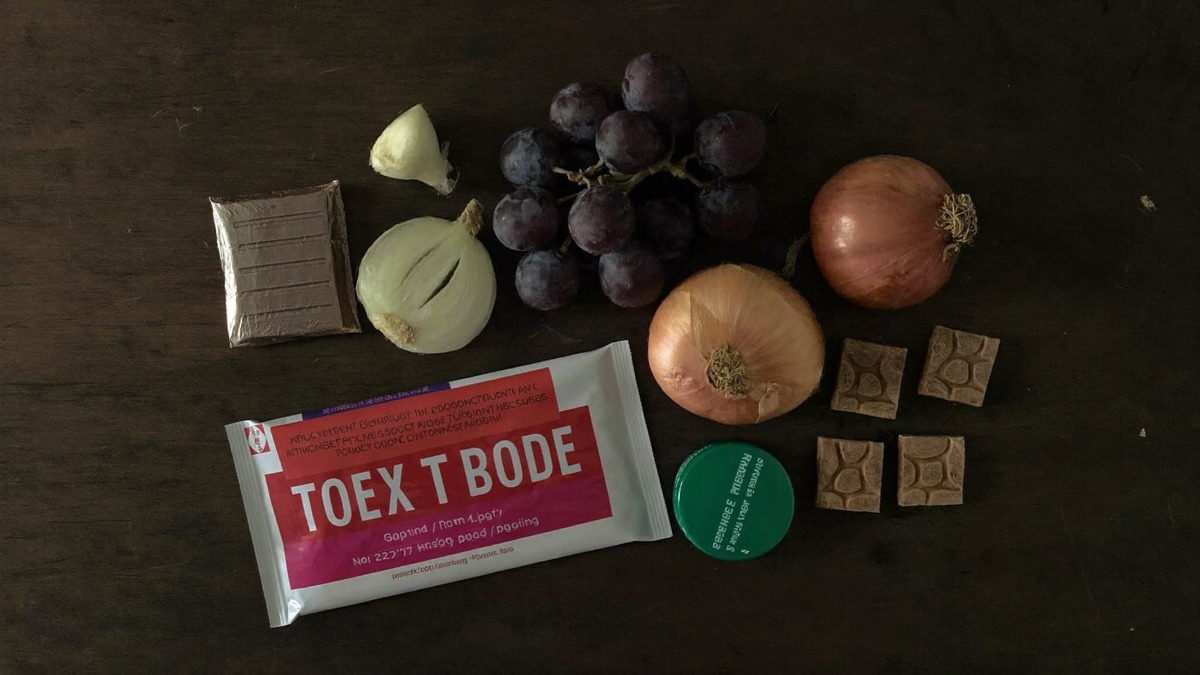
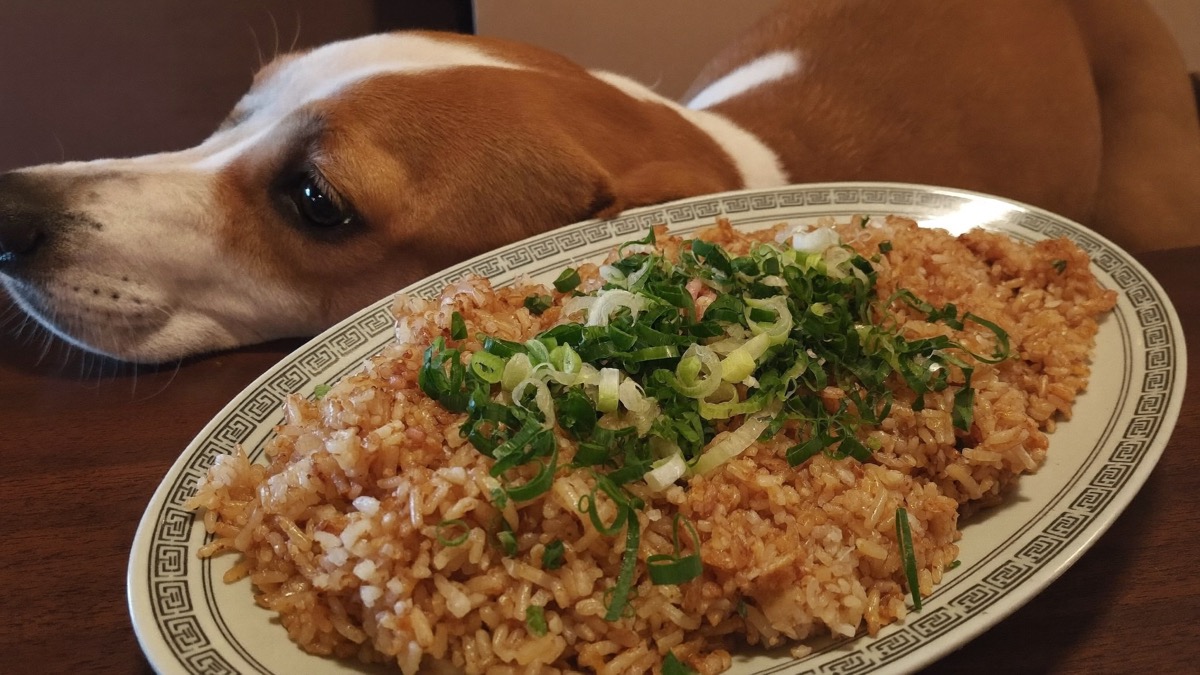
Because of what's in it, not the rice itself. Onions, garlic and shallots — the base of nasi goreng, fried rice, and most hawker and home-cooked dishes — are toxic to dogs, damaging red blood cells and potentially causing anaemia. Soy sauce and belacan add heavy salt loads; oil and lup cheong add fat that can trigger pancreatitis; chilli causes stomach irritation.
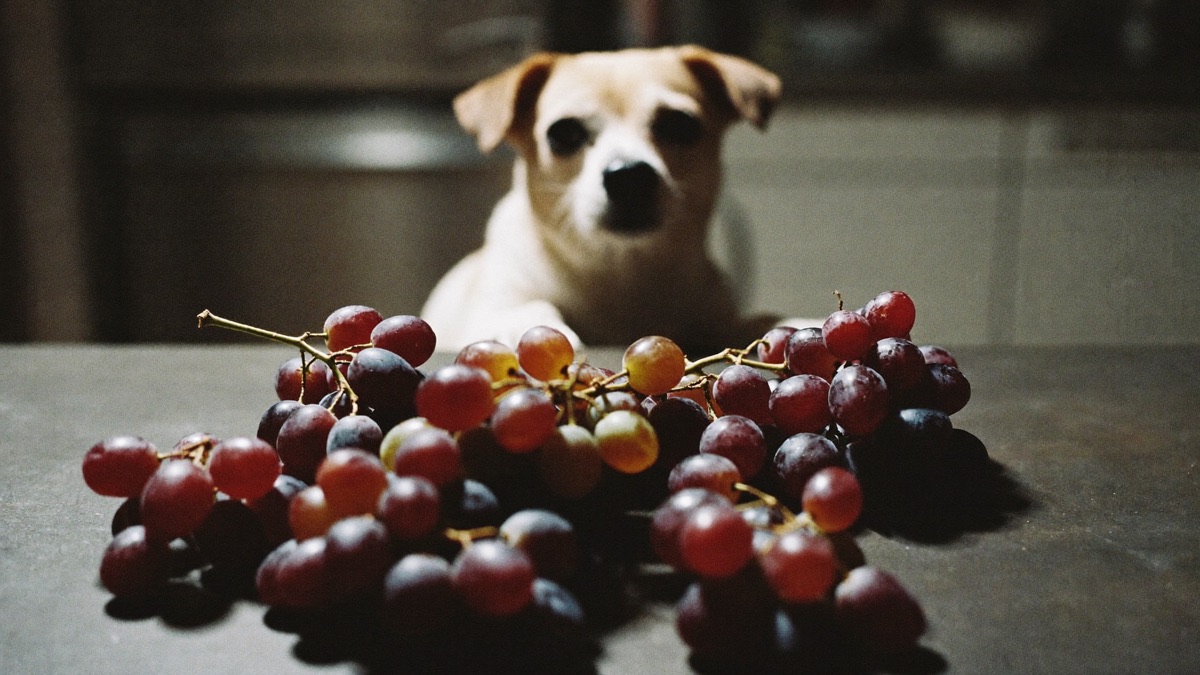
The same logic applies to chicken rice (cooked in garlic-ginger fat), nasi lemak, and curry-soaked rice. And while you're guarding the table: grapes and raisins cause kidney failure in dogs, and xylitol in sugar-free foods is extremely toxic — see the full list of foods dogs can't eat. If it came off your plate seasoned, it isn't dog food.
When should I call the vet?
Call the vet if vomiting or diarrhoea lasts beyond 24–48 hours on a bland diet, there is blood or black tarry matter in the stool or vomit, or your dog ate onion- or garlic-heavy rice — anaemia signs can take days to surface, so ring the clinic when it happens, not later.
Call your vet if:
- Diarrhoea or vomiting continues beyond 24–48 hours on a bland diet
- There's blood in the stool or vomit, black tarry stools, or your dog is lethargic and refusing food
- Your dog ate onion- or garlic-heavy food — signs of anaemia (weakness, pale gums, dark urine) can take days to appear, so call when it happens, not later
- A diabetic dog got into a large amount of rice
Persistent tummy trouble needs a professional, not a longer bland diet. In Malaysia, the Department of Veterinary Services is the national animal-health authority; in either country, a 24-hour clinic is the right after-hours call.
Plain rice, plainly cooked, in modest portions: that's the whole rule. Everything the rice cooker does for your family dinner — the garlic oil, the seasoning, the sambal on the side — is exactly what your dog needs you to leave out.