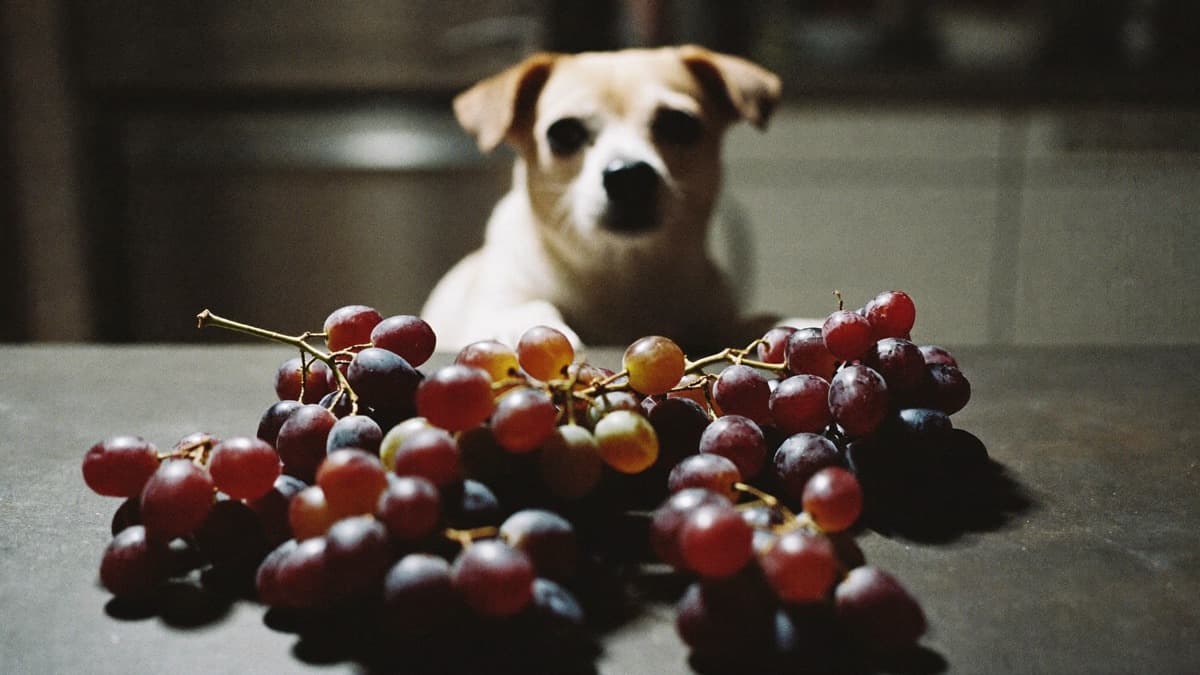
If your dog has just eaten grapes or raisins, skip to the next section and start making calls now. Minutes matter, because the treatment that works best — emptying the stomach — only works early.
If your dog just ate grapes: do this now
- Do not wait for symptoms. By the time a dog looks sick, kidney damage may already be under way. Dogs treated within the first couple of hours have by far the best outcomes.
- Call a professional immediately. In Singapore or Malaysia, call your nearest 24-hour emergency vet immediately — search "24 hour emergency vet" plus your area, or use the Singapore Veterinary Association's clinic directory, and go to the nearest open clinic. You can also call a US-based poison control service for guidance:
- ASPCA Animal Poison Control: +1-888-426-4435 (US hotline, 24/7, consultation fee applies)
- Pet Poison Helpline: +1-855-764-7661 (US hotline, 24/7, consultation fee applies)
- Do not induce vomiting unless a vet or poison control tells you to. Home methods can cause aspiration or injury. If instructed, follow their exact directions.
- Gather the facts while you dial: roughly how many grapes or raisins, what kind (fresh, raisins, in a baked product), your dog's weight, and when it happened.
- Bring the packaging if the source was raisin bread, cereal, trail mix, or snacks — the label helps the vet estimate the dose.
Expect the vet to induce vomiting if you arrive early, possibly give activated charcoal, run kidney blood work, and in many cases recommend a day or two of intravenous fluids to protect the kidneys. That is standard, evidence-backed care — not overreaction.
Why are grapes toxic to dogs?
For decades this was one of veterinary medicine's strangest mysteries: grapes clearly caused kidney failure in dogs, but nobody knew which component was responsible. In 2021, veterinary toxicologists identified the leading suspect as tartaric acid, which grapes contain in unusually high amounts and which dogs, unlike humans, appear unable to tolerate. The theory emerged after dogs poisoned by homemade playdough made with cream of tartar (potassium bitartrate) developed the same distinctive kidney injury.
The tartaric acid theory also helps explain the randomness: tartaric acid levels vary widely between grape varieties, growing conditions, and ripeness — and individual dogs likely vary in sensitivity too. The practical conclusion has not changed: treat every grape as potentially dangerous, because you cannot know what dose your dog just got.
How many grapes will hurt a dog?
Nobody can tell you, and that is precisely the problem. Kidney failure has been reported after a handful of grapes in some dogs, while others have eaten more without apparent harm. There is no established toxic threshold, no reliable body-weight formula, and no test to predict sensitivity in advance. Small dogs are at greater risk simply because any given number of grapes is a bigger relative dose — but no dog of any size gets a pass.
Are raisins, sultanas, and currants just as bad?
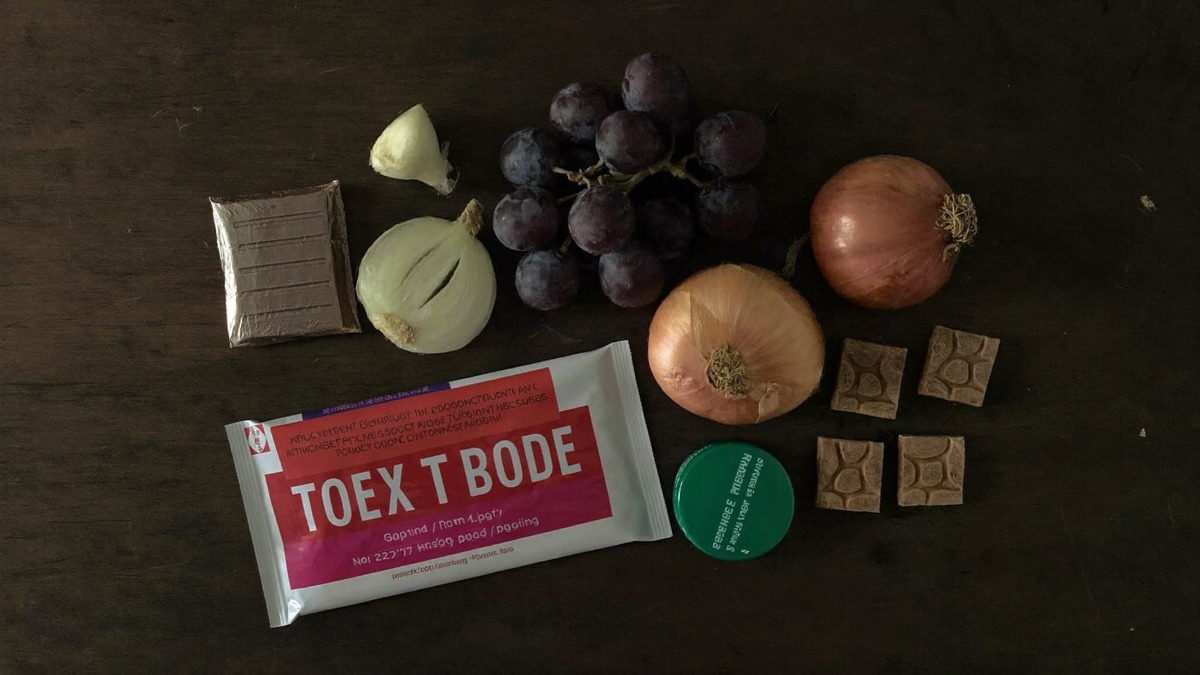
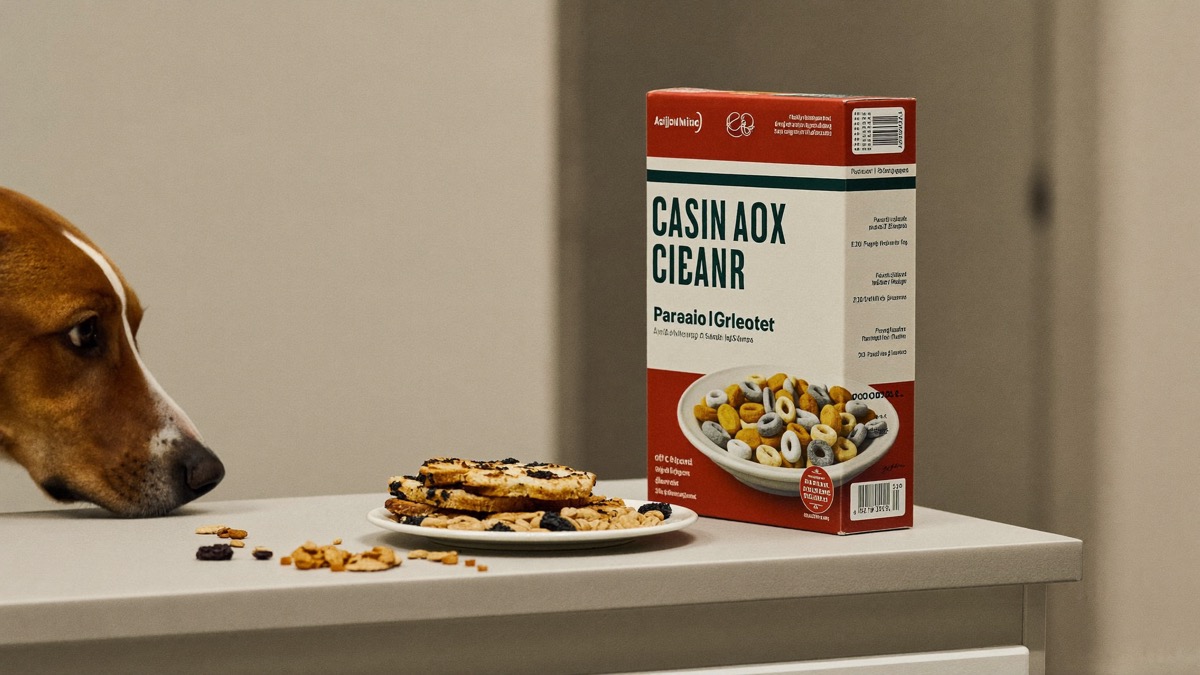
Worse. Drying concentrates the fruit, so gram for gram, raisins deliver more of the toxic component, and dogs can bolt a whole handful in seconds. The most common real-world poisonings come from foods, not fruit bowls: raisin bread, hot cross buns, fruit cake, breakfast cereals, trail mix, chocolate-coated raisins (a double toxin), and snack boxes left in reach. Grape juice, grape jelly, and peeled or seedless grapes are all equally off-limits — removing skin or seeds removes nothing that matters.
What are the signs of grape poisoning?
- Vomiting, usually within 6–24 hours (you may see grape or raisin pieces)
- Lethargy, weakness, unusual quietness
- Loss of appetite, diarrhoea, belly pain
- Increased thirst and urination early on — then, ominously, reduced or absent urination as kidneys fail, typically within 24–72 hours
Once urine production shuts down, the prognosis worsens sharply even with intensive care. That is the outcome early treatment exists to prevent.
Can any dog safely eat grapes?
No. There is no safe breed, no safe size, and no safe preparation. If your dog wants something sweet and juicy, offer seedless watermelon, blueberries, or apple slices — all genuinely safe in sensible portions. Keep grapes and raisins stored like medicine: out of reach, and treated as an emergency the moment they are not.