How should I prepare papaya?
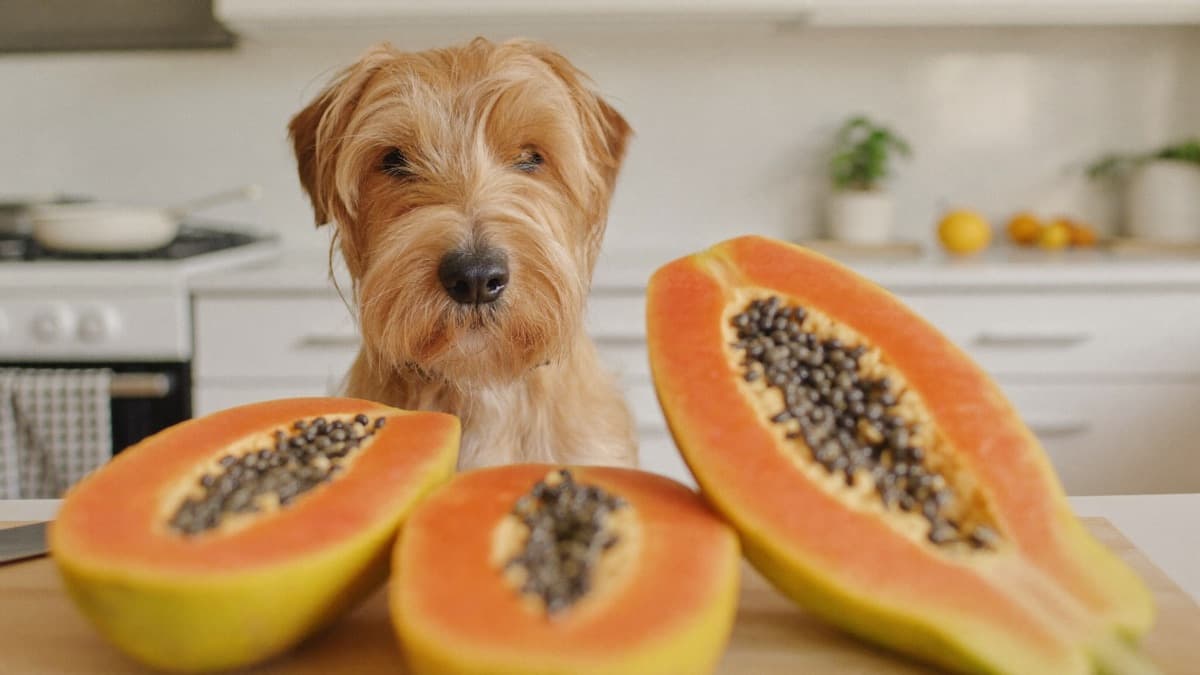
Peel ripe fruit, scoop out the seeds and cut the flesh into small pieces suited to your dog. Start with a small bite and stop offering it if your dog develops digestive upset. Do not feed the discarded skin or seeds. These steps follow PetMD's preparation advice.
How much can my dog have?
There is no serving size here that guarantees safety for every dog. A Shih Tzu does not get a special allowance simply because of its breed. The WSAVA treat guide limits all treats combined to no more than 10% of daily calories and recommends individual advice for medical conditions, dietary sensitivities or prescribed diets. That ceiling is not a target to fill with fruit. Ask your vet before adding treats for a puppy or a dog with a restricted diet.
What about green papaya, salads and desserts?
The ripe-fruit advice above does not establish a suitable portion of raw or boiled green papaya. This guide therefore does not recommend it as a substitute.
For dishes sold in Malaysia and Singapore, check the actual recipe. Do not infer safety from the name “papaya salad”, “kerabu betik”, “rojak” or “papaya dessert”. Separate plain fruit before sauces or toppings are added, and skip a dish if its ingredients are unknown.
Onion, garlic, grapes, raisins and xylitol are hazards to check for. Contact your vet promptly after a suspected exposure; keep the packaging or ingredient list. ASPCA poison-control guidance explains these ingredients' risks.
When should I contact a vet?
If your dog has eaten discarded fruit or an unfamiliar dish, tell your vet what it ate, approximately how much and when. Seek urgent help for repeated vomiting, blood in vomit or stools, marked weakness, collapse or breathing trouble. Do not wait for a 24-hour threshold, and do not induce vomiting unless a vet directs you. VCA's emergency guidance explains why these signs need attention.
For another ingredient, use the food checker. Its summaries link to the full guidance and are not individual feeding prescriptions.