Is yogurt good for dogs?
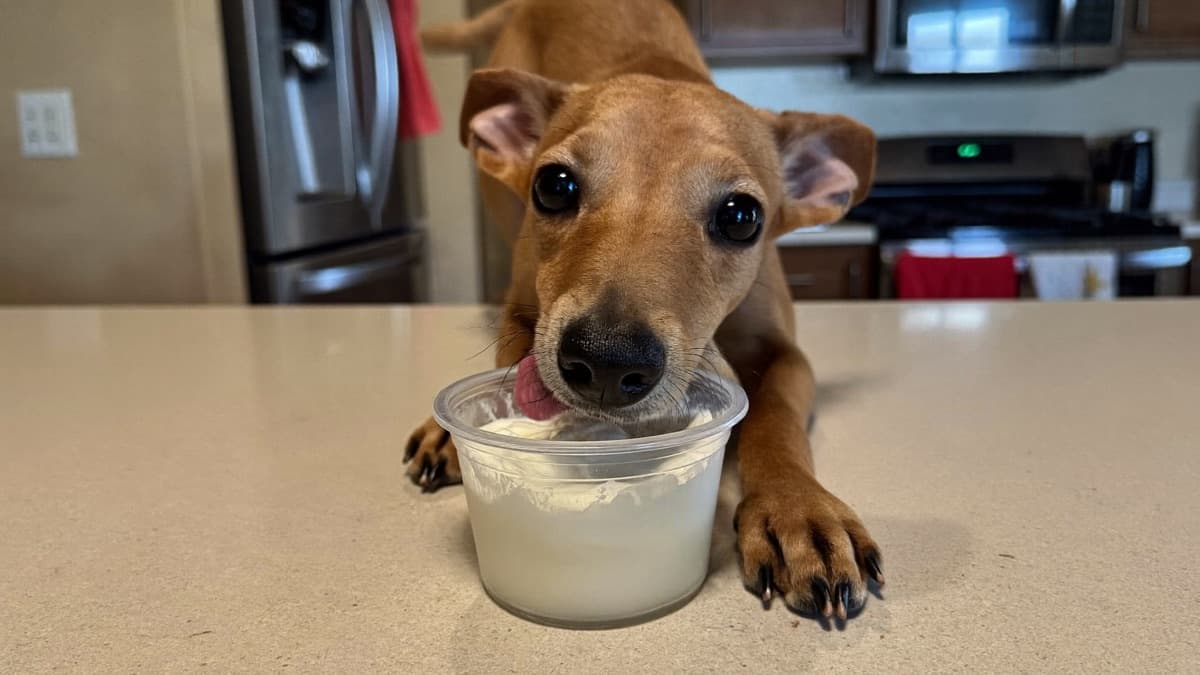
Modestly. Plain yogurt offers protein, calcium and live cultures, and its cool, lickable texture makes it an easy treat in Singapore and Malaysia's permanent summer. Plain unsweetened Greek yogurt is often the better pick — straining removes some lactose and whey, leaving more protein per spoonful.
But yogurt is not the health food for dogs that it is marketed as for humans. Your dog's complete diet already covers its calcium and protein needs, and the probiotic benefit is smaller than the label implies (more on that below). Treats of all kinds should stay under 10 percent of daily calories, and full-fat yogurt in quantity adds fat a dog prone to pancreatitis does not need.
How much yogurt is safe for my dog?
Plain and unsweetened only, an occasional treat rather than a daily habit.
Scroll sideways to compare all columns →
| Dog size | Example weight | Safe amount per serving |
|---|---|---|
| Small (Chihuahua, toy poodle, shih tzu) | Under 10 kg | Up to 1 teaspoon |
| Medium (beagle, Singapore Special, border collie) | 10–25 kg | Up to 1 tablespoon |
| Large (golden retriever, GSD, labrador) | Over 25 kg | Up to 2 tablespoons |
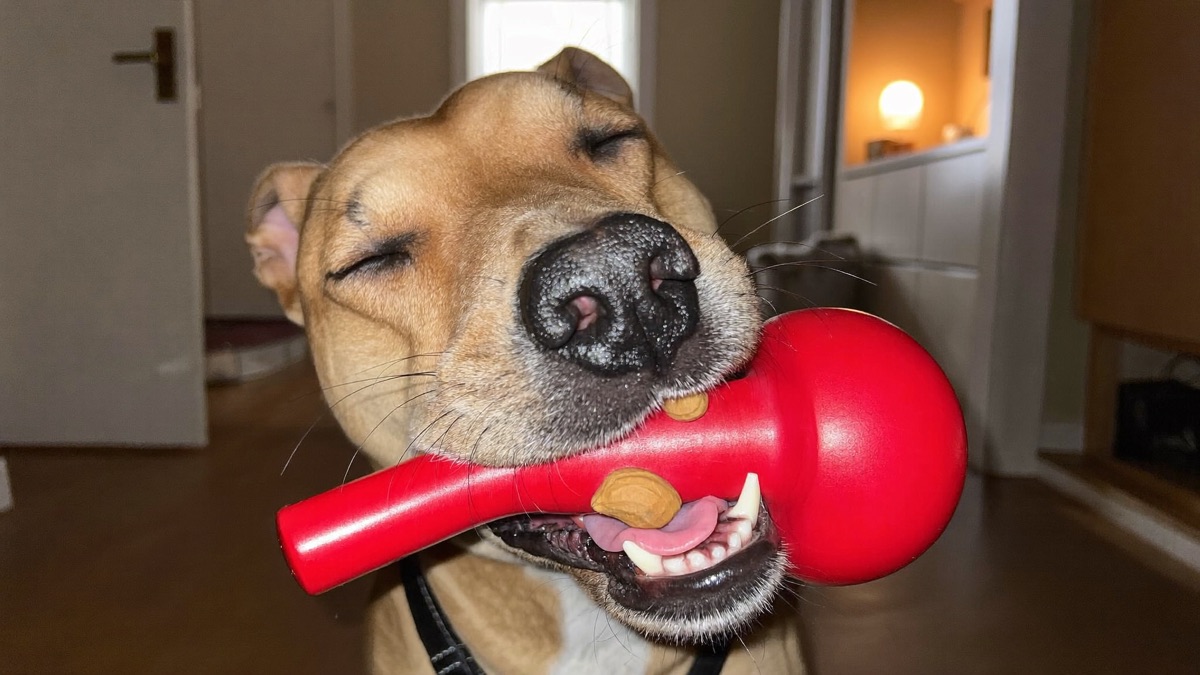
Start smaller than the table on the first try and watch for 24 hours. Serve it straight, stirred into food, or frozen in a Kong for a slow, cooling lick.

The lactose reality
Puppies produce plenty of lactase, the enzyme that digests milk sugar. Most adult dogs produce much less, which makes many of them functionally lactose intolerant. Yogurt is lower in lactose than milk — fermentation eats some of it — so plenty of dogs manage a spoonful without drama, but "lower" is not "none".
Signs your dog is in the intolerant camp: gas, bloating, loose stool or diarrhoea within a day of eating dairy. Nothing dangerous, but there is no reason to repeat the experiment. Cross yogurt off the list and move on.
Never sweetened, never "sugar-free"
Flavoured yogurts are sugar delivery vehicles, and the fruit varieties can hide genuinely toxic ingredients. The bigger danger is the sugar-free aisle: some diet and keto yogurts are sweetened with xylitol (sometimes labelled "birch sugar"), which causes a rapid, life-threatening blood sugar crash in dogs and, at higher doses, liver failure. A dog that licks out a tub of xylitol-sweetened yogurt is an emergency, not a wait-and-see.
If the label says anything other than milk and live cultures, it is not for your dog.
Better probiotic options
The main reason owners reach for yogurt is gut health, and this is where it underdelivers. Yogurt's cultures were selected for human digestion; relatively little survives the trip through a dog's gut, and the dose in a safe serving is small. Dogs with genuine digestive issues do better on a canine-specific product with strains and colony counts chosen for dogs. Our guide to probiotics for dogs covers what actually works and when it is worth using.
When should I call the vet?
Plain yogurt problems are usually mild, but call your vet if:
- Your dog ate sugar-free yogurt or anything containing xylitol or birch sugar — go immediately, even before symptoms.
- Diarrhoea or vomiting lasts more than 24 hours, or your dog seems weak or flat.
- Your dog got into a large tub of any yogurt, especially if it has a history of pancreatitis.
- The yogurt contained grape, raisin or chocolate mix-ins.
In Singapore, the Singapore Veterinary Association lists member clinics if you need to find one — for emergencies, ring the nearest 24-hour hospital directly.
Which similar snacks are actually toxic to dogs?
The dairy shelf and its neighbours hide real dangers:
- Xylitol — in sugar-free yogurts, desserts and gum; even small amounts are life-threatening to dogs.
- Grapes and raisins — common in yogurt toppings, muesli and desserts; they can cause acute kidney failure.
- Chocolate — chocolate yogurts, mousses and coated snacks are toxic to dogs at modest doses.
If your dog eats any of these, contact your vet or an emergency animal clinic straight away rather than waiting for symptoms.