Where can I legally buy a puppy in Singapore?
Three legitimate routes:
- AVS-licensed pet shops. Licensed shops operate under strict AVS conditions: every dog kept for sale must itself be licensed with AVS, puppies must be microchipped by 9 weeks old, and imported puppies must be rested at least 72 hours after arrival before sale (unless they came through the AVS Quarantine Station). Certain breeds — including pit bull types — cannot be displayed or sold at all.
- AVS-licensed breeders. Local breeders selling directly must also be licensed. Ask to see the licence, the breeding premises, and ideally the puppy's mother. A breeder who refuses a visit is telling you something.
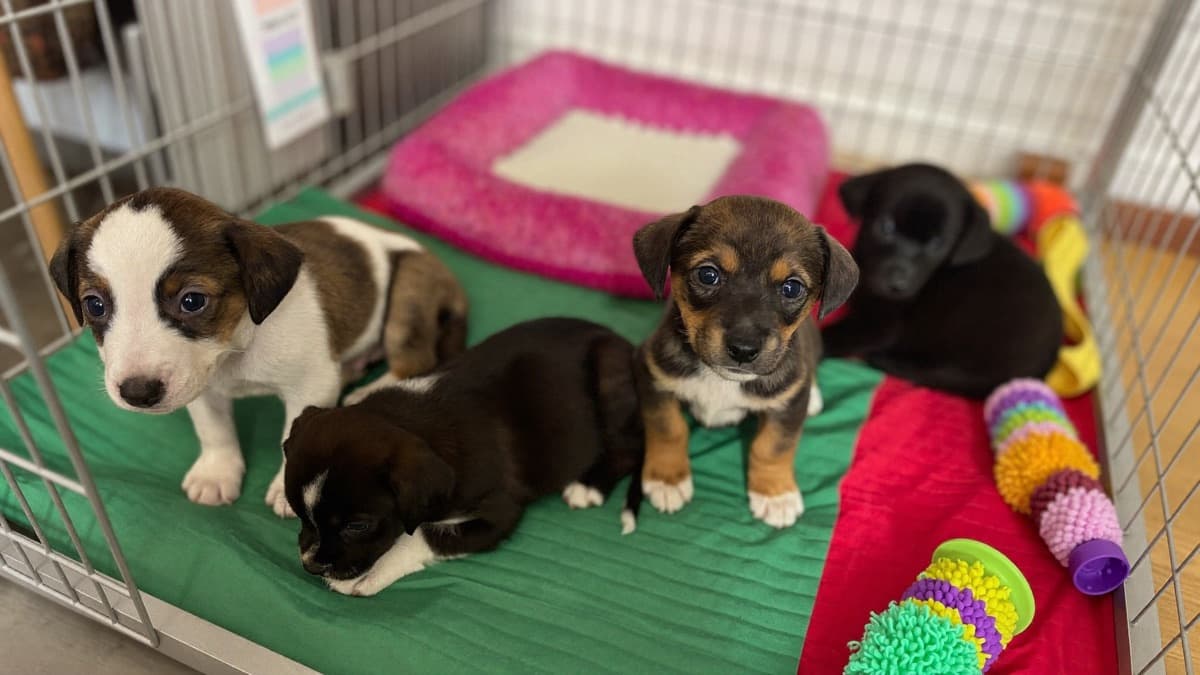
- Adoption from groups like SPCA, SOSD, ASD or Causes for Animals — more on why below.
Casual online sales by unlicensed "home breeders" on Carousell, Telegram or Facebook sit outside this system. Even when the puppy is real, you lose every protection the licensing regime provides.
What documents must a legitimate puppy purchase include?
Walk away from any sale missing one of these:
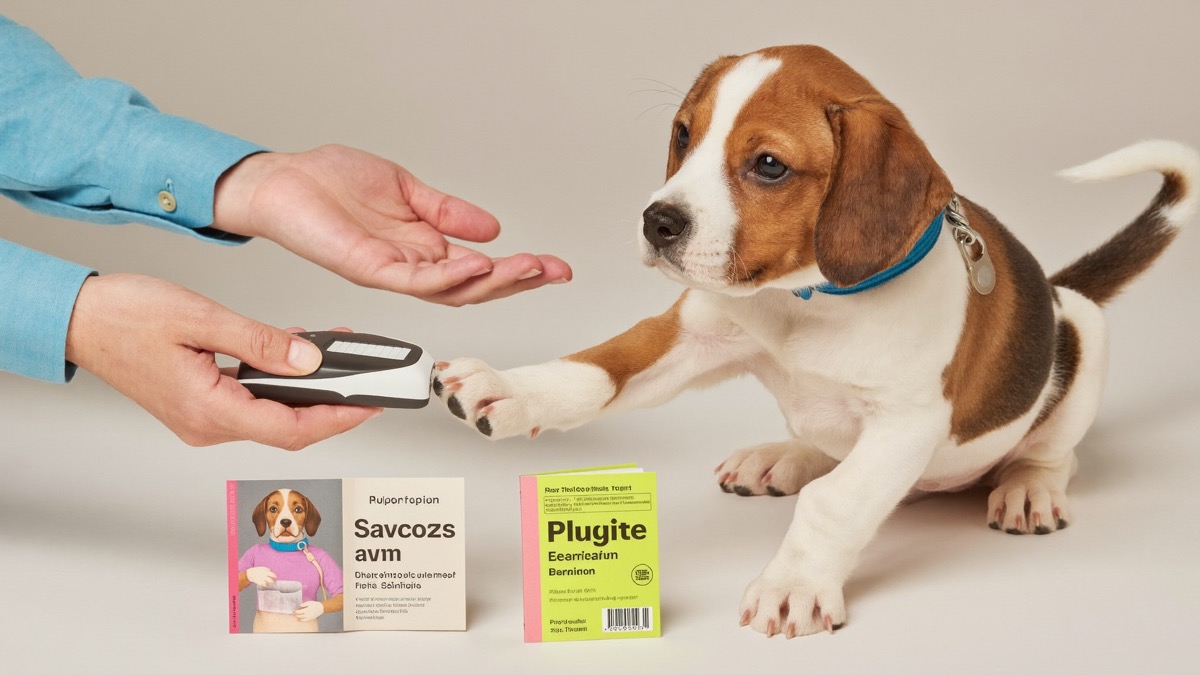
- Microchip. Implanted by a licensed vet (by 9 weeks old for shop puppies). Ask the seller to scan the chip in front of you and check the number matches the paperwork.
- Vaccination records. A vaccination card or booklet signed/stamped by a licensed veterinarian showing which core vaccines the puppy has received and when the next dose is due.
- AVS licence transfer. Every dog sold must already be licensed with AVS, and the shop is prohibited from releasing the dog until you have accepted the change of ownership in the AVS system (PALS, at pals.avs.gov.sg). If you are a first-time dog owner, complete AVS's Pet Ownership Course requirement as part of licensing — check the current rules on the AVS licensing page.
- Sales agreement/receipt stating the breed, microchip number, price and any health guarantee.
What are the puppy scams common in Singapore and Malaysia?
The dominant scam on both sides of the Causeway is the phantom imported puppy: a beautiful puppy advertised online at a below-market price, "currently overseas" or "with the breeder in Malaysia/Australia," available once you pay a deposit — then endless fresh fees for "shipping crates," "quarantine," "pet insurance" — and no puppy, ever.
Hard rules that defeat it:
- Never pay a deposit for a puppy you have not met in person. Not "reserve fees," not "vaccination top-ups." No exceptions.
- Video calls are not proof — scammers reuse stolen footage.
- Reverse-image-search the listing photos; stolen images are the norm.
- Ask for evidence of lawful import and compliance with the applicable AVS veterinary and quarantine conditions. Quarantine is not required for every compliant import, so the absence of a quarantine stay alone does not prove wrongdoing.
- Pressure tactics ("two other buyers waiting") are a red flag, always.
How do I spot a puppy mill?
Even licensed sellers vary in ethics. Warning signs: you cannot see where puppies are bred or meet the mother; multiple breeds always "in stock"; puppies under 8 weeks offered for sale; dirty or cramped conditions; no questions asked of you as a buyer; vague or missing vaccination dates. An ethical breeder interviews you, shows you everything, and takes the dog back if things go wrong.
How much does a puppy cost in Singapore?
Prices vary with breed, pedigree and seller — treat these as broad ranges, as of 2026:
Scroll sideways to compare all columns →
| Tier | Typical breeds | Typical price (S$) |
|---|---|---|
| Adoption | Singapore Specials, surrendered pedigrees | S$70–S$400 (incl. vaccines, microchip, sterilisation) |
| Mid-range pedigree | Local-bred small breeds from licensed breeders | S$3,000–S$6,000 |
| Popular small breeds | Toy Poodle, Maltese, Shih Tzu mixes | S$6,000–S$8,000 |
| Premium/imported | Corgi, Golden Retriever, French Bulldog | S$7,000–S$9,000+ |
Budget beyond the sticker price: licensing, sterilisation, vaccinations, insurance and the first year of food and vet care can add several thousand dollars. Remember too that HDB flats only allow approved small breeds (or one Project ADORE Singapore Special up to 55cm) — a Golden Retriever legally requires private housing.
Should I adopt instead of buying?
If your heart isn't set on a specific breed: yes, seriously consider it. An adopted dog arrives vaccinated, microchipped and sterilised for a fraction of the cost, from an organisation whose incentive is a successful match rather than a sale. Singapore's shelters hold everything from Singapore Specials to surrendered pedigree dogs. Buying ethically is entirely possible in Singapore — but adoption remains the one route where no puppy mill can ever be upstream of your money.