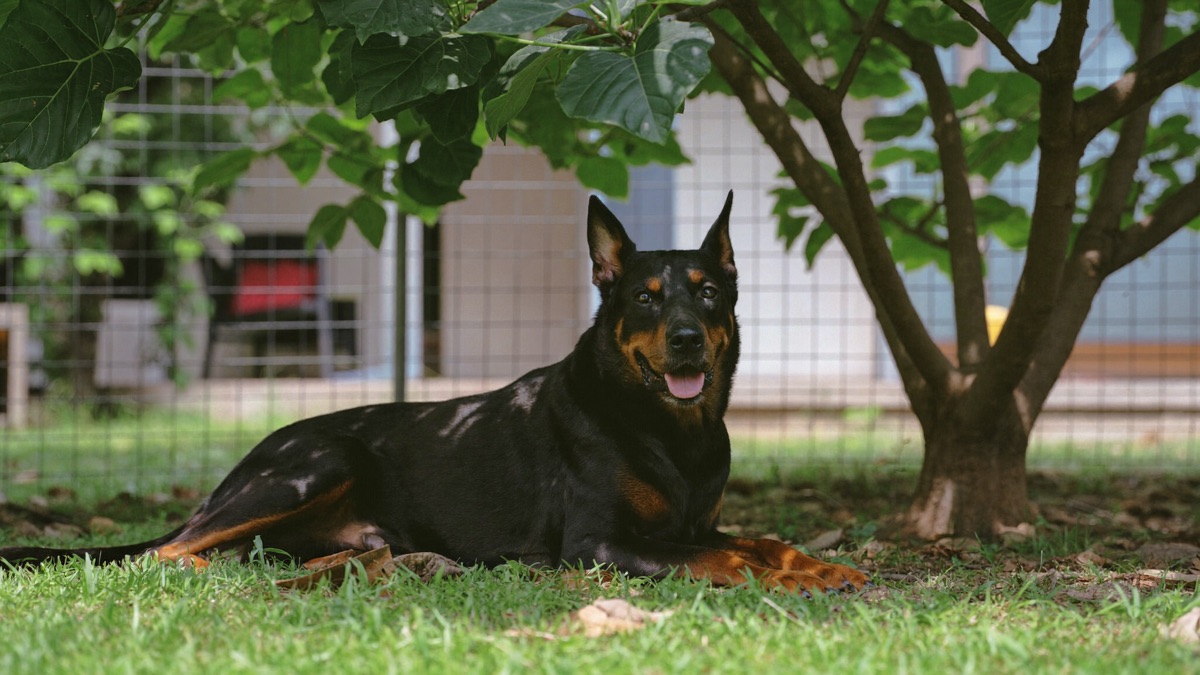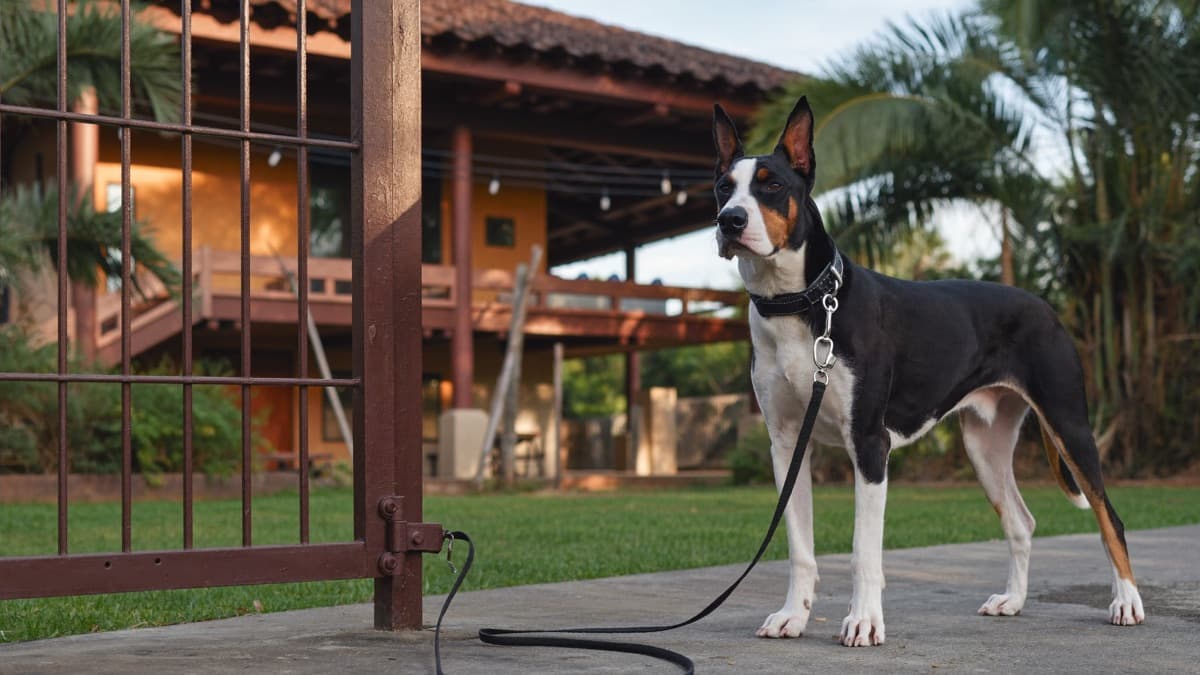
Is the Doberman legal in Malaysia?
The general non-scheduled-country regulations name the Doberman on the restricted import list. Written MAQIS approval is required before applying for an import permit. Read the conditions for your dog's actual origin with the attached March 2026 country-list notice; confirm the applicable route with DVS or MAQIS. Import sources checked 18 September 2026.
Our Malaysia banned and restricted breed guide explains the general lists and the Singapore-to-Malaysia route.
Importing or buying locally: what should I check?
| Your situation | Next step |
|---|---|
| Bringing a Doberman into Malaysia | Obtain written MAQIS approval before applying for the import permit. Read the full origin-specific conditions, including identification, premises and handling requirements. |
| Buying or adopting within Malaysia | Ask your council to confirm breed classification, licence requirements and eligibility at your address. A local purchase does not establish permission to keep the dog. |
| Planning to breed dogs | Check the separate council and premises requirements before proceeding. A pet licence or pedigree registration is not evidence of breeding approval. |
What are the council licence rules for a Doberman?
Check the rules of the council responsible for your address. DBKL by-laws list the Doberman among six controlled breeds and require the applicant to attend and pass a dog-handling course, and the dog to complete a Canine Good Citizen programme run by a body approved by the Mayor.
Once licensed, a DBKL controlled dog must be supervised at all times, leashed and muzzled whenever it leaves your premises, kept behind a secure fence, and the property must display a visible "BEWARE OF DOG" sign at both the front and rear. The Doberman is not on DBKL's small-dog list for flats. Confirm licensing eligibility for your address even if you have a landed home. Council guidance checked 18 September 2026.
Scroll sideways to compare all columns →
| Council | Licence fee (as of 2026) | Breed conditions |
|---|---|---|
| DBKL (Kuala Lumpur) | Controlled dog: RM60 unsterilised / RM40 sterilised (DBKL leaflet checked 18 September 2026) | Doberman is a controlled breed: handling course, Canine Good Citizen, leash and muzzle, fenced premises, warning signs |
| MBPJ (Petaling Jaya) | RM30 per dog per year; RM60 for two years; RM90 for three; RM30 for three years if sterilised | All dogs must be leashed and muzzled when off the premises; apply online at elesen.mbpj.gov.my |
| Other councils | Varies | Check your own Majlis before buying |
How much does a Doberman puppy cost in Malaysia?
Puppy For Sale Malaysia, a single retailer, advertised the following prices when checked on 19 September 2026. This is a snapshot of asking prices, not a survey of Malaysian breeders or confirmation that a puppy is still available.
| Seller's listing description | Advertised price (RM) |
|---|---|
| Imported lineage | 4,800–6,800 |
| Imported and champion lineage | 7,800–8,800 |
| Show quality, champion lineage | 12,000 |
The lineage and show-quality labels are the seller's descriptions; we have not independently verified them. Before paying, request a written total, what registration and veterinary care it includes, and the deposit and refund terms. Budget separately for food, council licensing and veterinary care, including a heart-screening plan agreed with your vet.
What should I check before buying a Doberman in Malaysia?
If a puppy is advertised as MKA-registered, ask to see its registration documents and confirm the identification and transfer arrangements. Request its veterinary and vaccination records, and meet the puppy and mother where they are kept.
The Doberman Pinscher Club of America advises health screening of breeding stock, including both an echocardiogram and Holter monitoring for heart disease. Ask for both parents' recent reports, with identification and dates. Its guidance also includes von Willebrand's disease DNA testing and other checks, including hips, elbows and eyes. These are breed-club recommendations, not Malaysian licensing rules. Health sources checked 19 September 2026.
The tests answer different questions: Cornell's veterinary guidance explains that an echocardiogram assesses heart size and pumping function, while a Holter records heart rhythm over 24 hours. Dobermans are predisposed to dilated cardiomyopathy (DCM), which may have no obvious signs early on. Ask your vet or veterinary cardiologist when to start screening your dog and how often to repeat it.
A normal heart result records the situation at the time of testing; it is not a lifetime guarantee. Pedigree papers alone do not establish that health screening was completed. Have your vet review the actual parental reports before you commit.
Our wider guide to buying puppies in Malaysia covers breeder red flags, deposits and what a fair contract looks like.
Does a Doberman suit Malaysia's climate and housing?
Plan exercise for cooler conditions, with shade, water and rest. A short coat or local upbringing does not make hot-weather exercise safe; follow the RSPCA's overheating precautions. Care sources checked 19 September 2026.
If heat exposure causes heavy panting, weakness or collapse, stop exercise, start cooling with water and arrange urgent veterinary help. See heatstroke first aid.
Check your council's premises requirements and any building or tenancy conditions before choosing a dog. Plan who will provide daily care, exercise and training alongside those housing checks.
What to do next
- Call your local council and ask whether the Doberman is a controlled breed in your area, and what the licence conditions are, before paying a deposit.
- Review the seller’s records and contract using our guide to buying a puppy in Malaysia.
- Discuss ongoing care and heart-screening costs with your vet, and confirm your council’s licence fee.