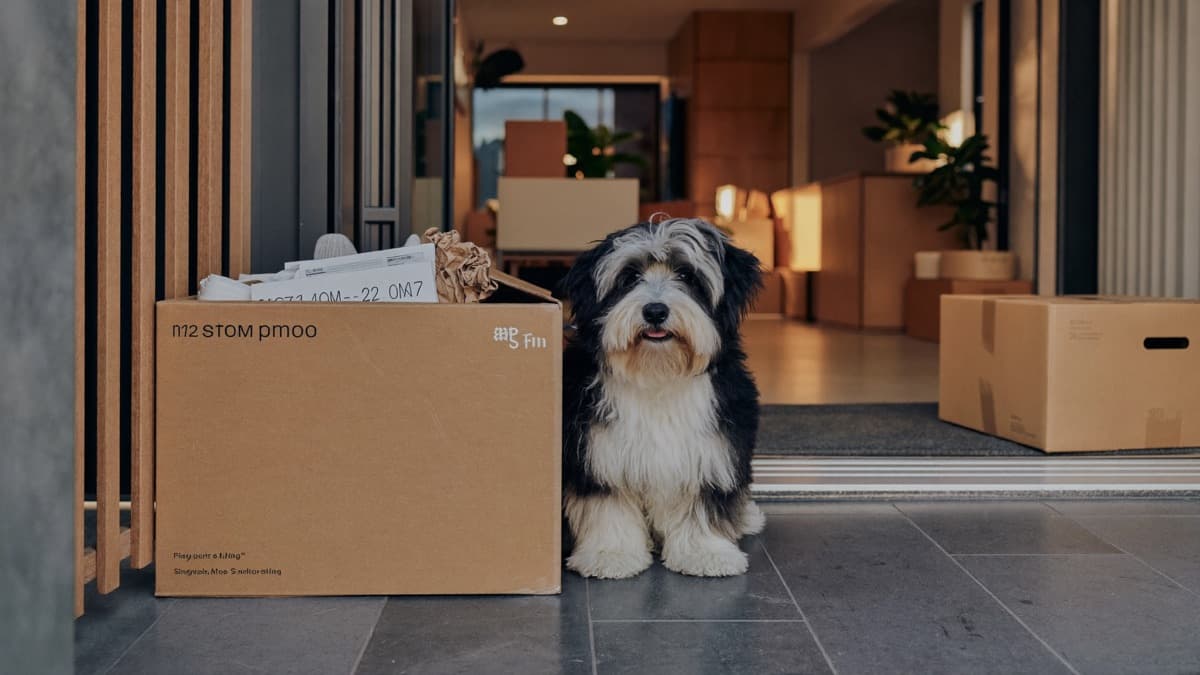
Renting with a dog in Singapore is legal but triple-gated: the housing rules (HDB's approved-breed list or the private-housing three-pet cap), the condo MCST's by-laws, and — the gate that actually decides most cases — your landlord's written consent as a pet clause in the tenancy agreement. Clear all three before you commit, because two out of three ends with a rehomed dog or a broken lease.
What rules apply before the landlord even enters the picture?
Scroll sideways to compare all columns →
| Housing type | Who sets the rules | The short version |
|---|---|---|
| HDB flat | HDB + AVS | One approved small-breed dog per flat; larger dogs only via Project ADORE |
| Condo / private | AVS + the MCST | Up to three dogs or cats total; MCST by-laws may be stricter |
| Malaysia strata | Strata regulations + local council + house rules | Pets generally permitted unless nuisance, but councils and JMBs add limits |
For HDB rentals the breed list is non-negotiable — the full picture is in our guide to HDB dog rules. For condos, AVS caps private premises at three dogs or cats, but the MCST's by-laws sit on top: some restrict pet size or weight, require dogs to be carried in lifts, or bar pets from pools, function rooms and lawns. Ask the agent for the current house rules in writing — not a verbal "should be fine."
How do I convince a landlord to say yes to my dog?
Landlords refuse pets because they price in risk: scratched floors, smells, complaints. Your negotiation job is to shrink that perceived risk.
- Bring a pet resume. One page: breed, age, weight, sterilisation status, AVS licence number, vaccination record, and a line from a previous landlord or trainer if you have one. It sounds silly until you watch it work — it signals you're the kind of owner who documents things.
- Offer a pet deposit before being asked. There's no statutory cap or standard in Singapore; in practice landlords ask anywhere from a few hundred dollars to an extra half or even full month's rent, as of 2026. Offering a reasonable figure upfront, refundable against inspection, reframes the conversation.
- Put it all in the tenancy agreement. Pet type, number, deposit terms, and what "pet damage" means. An email thread is better than nothing; a signed clause is the only thing that holds.
- Offer a professional cleaning or fumigation clause at end of lease — a common landlord ask anyway, and cheap goodwill.

What should a pet clause in a tenancy agreement include?
A pet clause should name the specific pet (breed, plus that it is AVS-licensed and sterilised), cap the number of animals, state the pet deposit and its refund terms, define "pet damage", and record the landlord's written consent. In Singapore a tenancy runs on contract law, so a verbal "should be fine" holds up nowhere — if it is not written into the agreement or a signed addendum, it does not exist at dispute time.
| What the clause should specify | Why it protects you |
|---|---|
| The pet: breed, weight, AVS licence number, sterilisation status | Stops "that's not the dog we agreed to" arguments |
| Number of pets permitted | Fixes the AVS limit (up to 3 licensed dogs on private property; 1 approved dog per HDB flat) in writing |
| Pet deposit amount and refund conditions | Ties the extra deposit to inspection, not the landlord's mood |
| Definition of "pet damage" vs fair wear and tear | The single most common end-of-lease dispute |
| End-of-lease cleaning or fumigation, if any | Removes a surprise deduction |
| Landlord's written consent to the pet | The clause that actually decides the case |
Get the clause into the tenancy agreement itself, not a side email — an email thread is better than nothing, but a signed clause is the only thing that reliably holds. Factor the extra deposit into your overall cost of owning a dog before you commit.
What should I check at the viewing?
Viewings are where dog problems are cheapest to catch:
- Flooring — vinyl and tile forgive; old parquet doesn't, and you'll pay for it at handover. Photograph existing scratches before signing.
- Balcony and window safety — gaps a small dog can fit through, and whether grilles are allowed.
- Lift and corridor rules — must dogs be carried? Is there a service lift requirement?
- Noise geography — a unit facing the lift lobby means your dog hears every neighbour, all day. Barking is the top complaint that turns MCSTs and landlords against tenants with dogs.
- Nearest grass and the walking route — walk it. A dog-hostile 400m to the nearest green patch gets old fast.
What happens if the MCST changes the rules mid-lease?
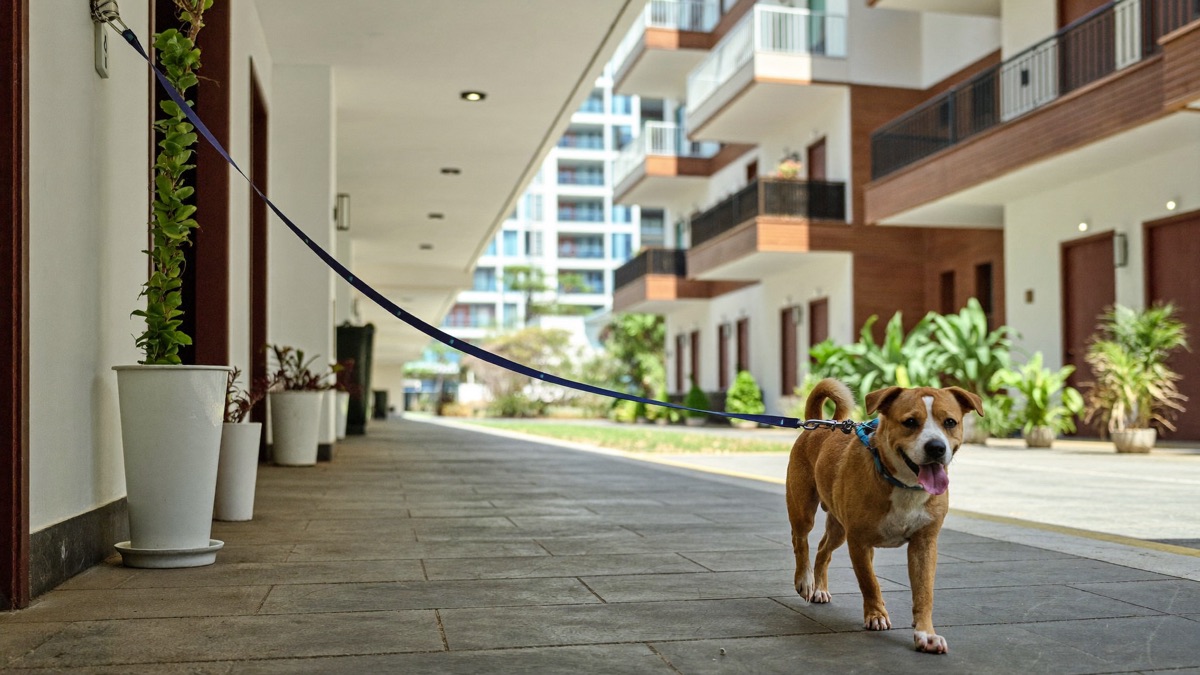
By-laws aren't frozen — an MCST can pass new ones, and pet rules usually tighten after complaints. In practice, enforcement targets nuisance: persistent barking, off-leash dogs in common areas, fouling. If a rule change lands while you're mid-lease, don't panic and don't ignore letters. Ask the managing agent for the exact by-law text and effective date, keep your dog visibly compliant (licensed, leashed, carried where required), and loop in your landlord — it's their asset and their vote at general meetings. Owners and tenants with clean records and documented compliance are rarely the ones pushed out.
How does renting with a dog work in Malaysia?
The framework is friendlier than its reputation. Under the strata management regulations in force since 2015, residents of strata properties may generally keep pets unless the animal causes nuisance, endangers health or safety, or breaches other written law — blanket "no pets ever" house rules sit on shaky legal ground. But two extra layers matter: local councils set their own rules (some limit high-rise dogs to small breeds; others restrict dogs in high-rise units altogether), and JMBs or management corporations can pass additional by-laws. So the Malaysian checklist is: confirm your local council's position, read the building's house rules, then get the landlord's written consent in the tenancy agreement — same as Singapore, with one extra phone call. When in doubt, verify with your city or municipal council directly rather than relying on the agent's assurance.
Renting with a dog rewards paperwork people. Licence current, consent written, deposit documented, dog quiet in the lift — do those four things and you're a landlord's easiest tenant, not their risk case.
Still choosing the dog to suit the lease? Run the breed through the HDB-approved dog breeds checker, and see where small dogs for adoption in Singapore are listed.