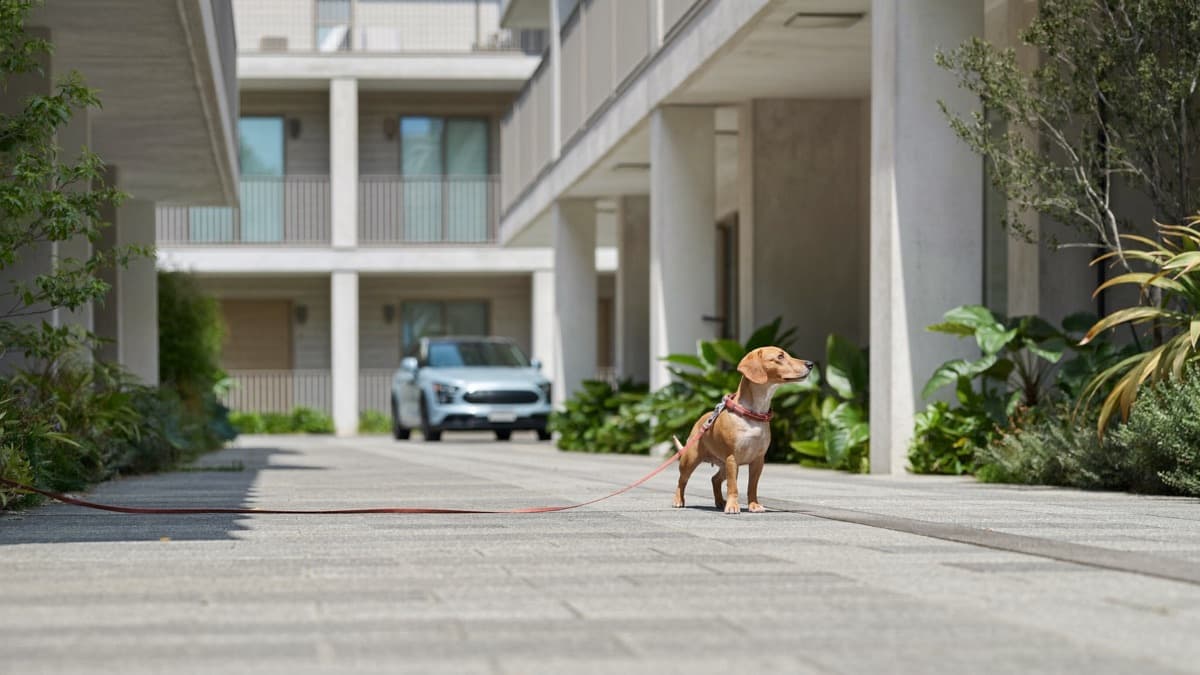
Which dogs are approved for HDB flats?
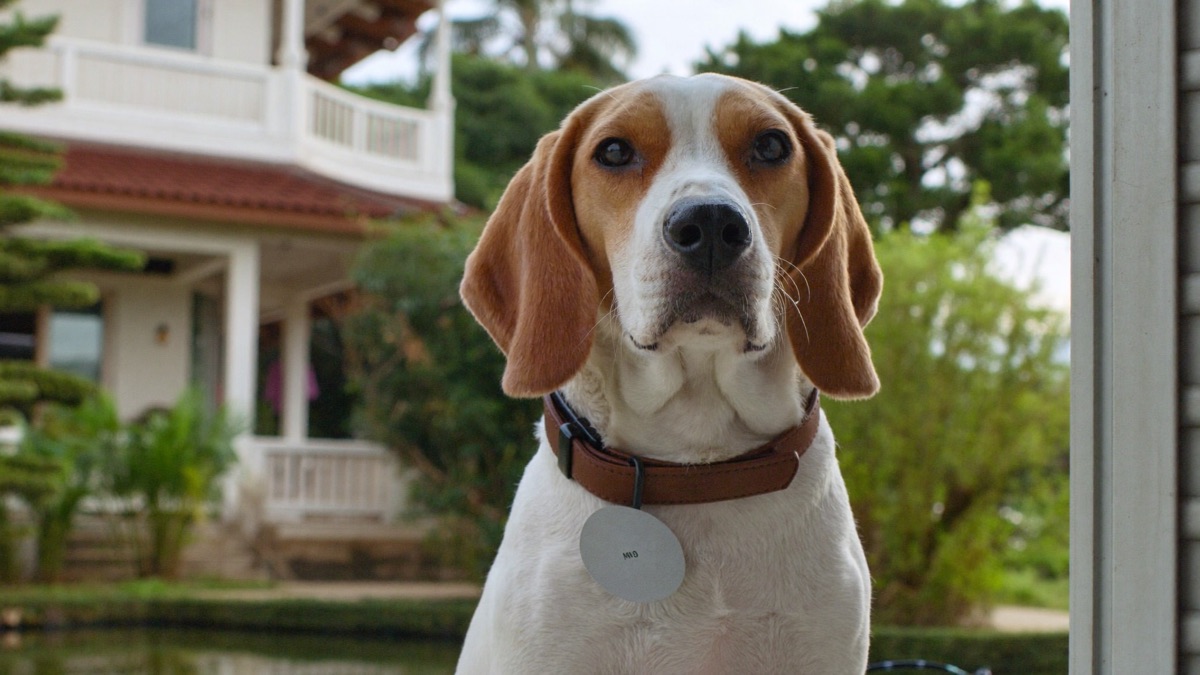
The official HDB list, checked on 16 September 2026, has 61 named entries. Item 62 covers crosses of two breeds from entries 1–61; it is not a 62nd named breed. Use the stated variety rather than a general height or weight rule. Popular examples include:
- Toy and Miniature Poodle
- Maltese
- Shih Tzu
- Bichon Frise
- Chihuahua
- Miniature Dachshund
- Jack Russell Terrier
- Miniature Schnauzer
- Pomeranian
- Cavalier King Charles Spaniel
- Japanese Spitz
- Pug
That's a sample, not the full list — always check the current official list on HDB's Keeping Pets page before committing to a breed, as it is updated from time to time. A breed missing from the standard list needs an applicable separate scheme; temperament alone does not establish eligibility.
Can I keep a bigger dog in an HDB flat?
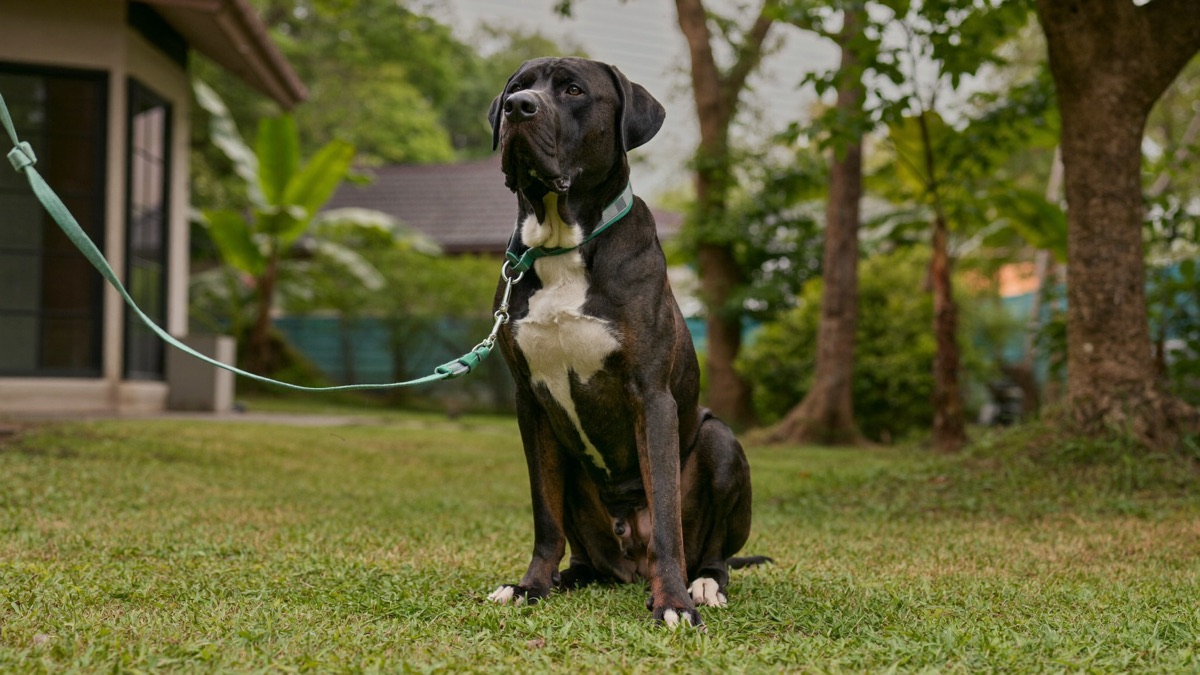
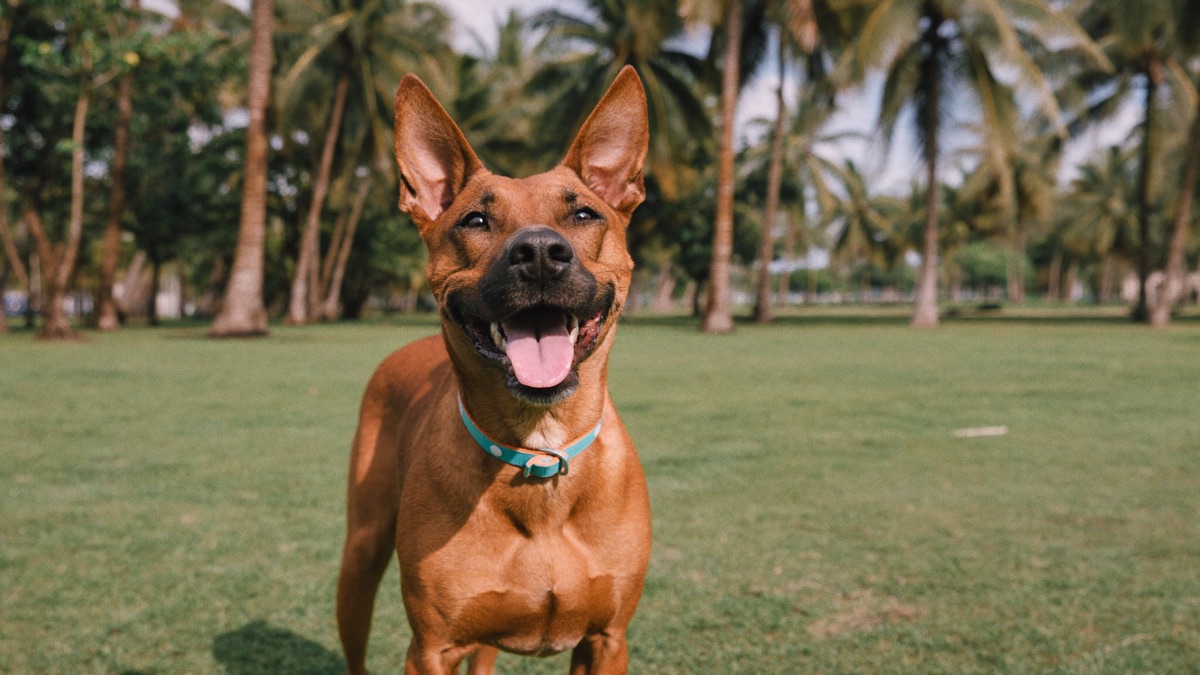
For a local mixed-breed dog (a "Singapore Special"), Project ADORE is the relevant adoption route. The scheme, run by AVS with HDB and rehoming partners, allows one local mixed-breed dog up to 55cm at the shoulder per flat — the weight criterion was removed in 2020. Conditions:
- Adopt from an approved partner: Action for Singapore Dogs, Causes for Animals, Exclusively Mongrels, Mercylight, SOSD or SPCA
- The dog must be licensed, microchipped, vaccinated and sterilised
- You must complete an obedience training programme with an AVS-accredited certified dog trainer
- You sign the Code of Responsible Behaviour, committing to prevent nuisance to neighbours
The AVS Project ADORE page also describes the retired K-9 scheme for eligible Labrador, English Springer, Cocker Spaniel and Pointer sniffer dogs. These are specific adoptions, not general breed approval.
HDB's assistance-dog provisions are separate: they require an MSF-registered person with a qualifying disability, recognised assistance-dog training verified by Guide Dogs Singapore or K9Assistance, and AVS licensing. Check the full requirements with the relevant organisation.
Do I need to licence my dog?
Yes — licensing via PALS (Pet Animal Licensing System, pals.avs.gov.sg) is mandatory for all dogs in Singapore, whatever your housing type. Fees as of 2026:
Scroll sideways to compare all columns →
| Licence type | Sterilised dog | Unsterilised dog |
|---|---|---|
| 1-year | S$15 | S$90 |
| 2-year | S$25 | S$165 |
| 3-year | — | S$230 |
| One-time (lifetime) | S$35 | Not available |
A 10% rebate applies to payments made online, via GIRO or AXS. The steep unsterilised premium is deliberate policy — sterilise your dog and take the S$35 one-time licence, and you're done for the dog's lifetime.
What happens if I break the rules?
Flat owners found keeping an unapproved dog — or more pets than permitted — can be fined up to S$4,000 under HDB's rules. In practice, enforcement usually starts with a complaint from a neighbour, followed by an HDB directive to rehome the animal. That outcome is far harder on the dog than on the owner, which is the real reason to get this right before bringing a dog home, not after. Keeping an unlicensed dog is a separate offence under AVS rules.
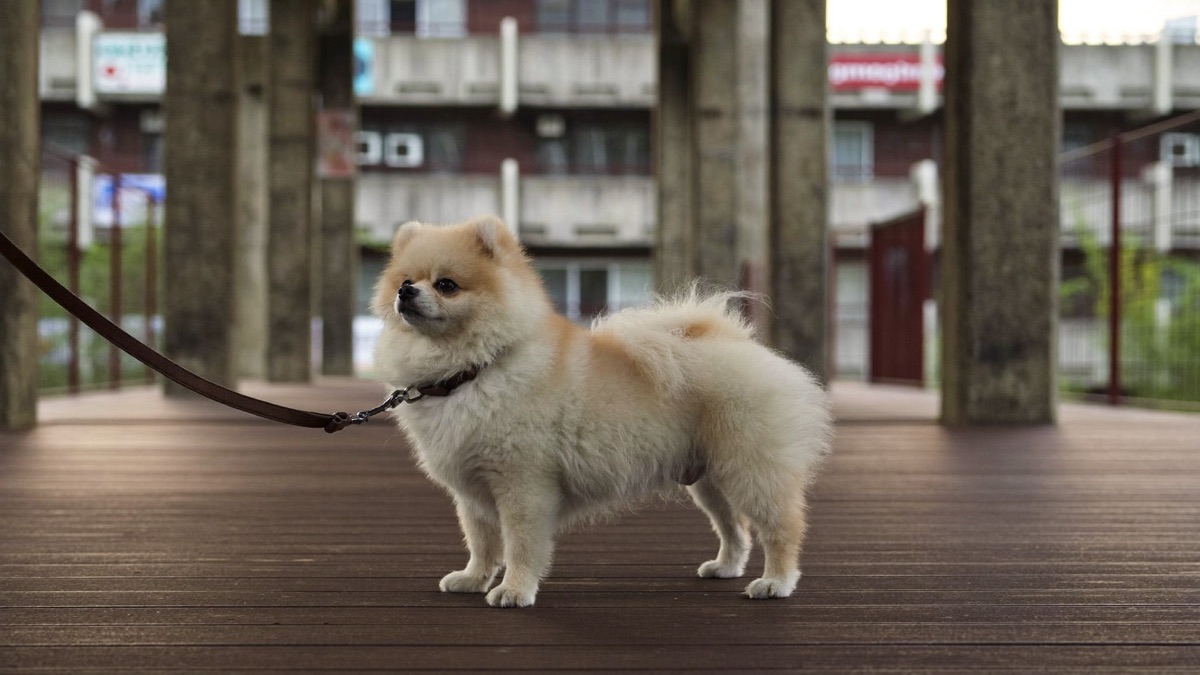
What are the rules for condos and private housing?
Private residential premises operate under AVS rules rather than HDB's: a maximum of three dogs or cats (or a combination) per premises, and only one "Specified" (scheduled) breed — such dogs are banned from HDB flats entirely and carry extra conditions like muzzling in public. Two caveats for condo dwellers:
- Your MCST's by-laws can be stricter than AVS limits — some condos restrict pet size, number or use of common areas. Check before you buy or rent.
- Licensing and leashing laws apply identically to private housing.
What about cats and other pets in HDB flats?
Since 1 September 2024, HDB flats may keep up to two cats alongside the one approved dog, under the Housing and Development (Animals) Rules 2024 — and cat licensing is being phased in through AVS, with cat licence fees aligning to the dog fee structure from 1 September 2026. Small caged pets such as hamsters, rabbits and most aquarium fish are generally allowed without licensing. The dog remains the most regulated pet in public housing because it's the one most likely to generate noise and shared-space friction.
Quick compliance checklist
- Confirm your breed is on HDB's approved list (or qualify via Project ADORE)
- Keep to the one-dog limit and the conditions of your applicable scheme
- Licence via PALS; sterilised one-time licence is the best value
- Leash your dog in all public places
- Manage barking and corridor behaviour — most HDB pet disputes start with noise, and sustained complaints can end with a rehoming order
The rules look restrictive on paper, but they're navigable: the standard list, approved crosses and separate schemes cover different situations. Confirm the route for your particular dog before committing.
Related guides: off-leash dog runs in Singapore, sterilisation cost (and the cheaper licence), small dogs for adoption in Singapore. Check any breed instantly with the HDB-approved dog breeds checker.