Barking is communication, not defiance. In an HDB flat or condo, the acoustics amplify it and the neighbours hear everything, so the pressure to "fix it fast" is real. The fastest durable fix is still the boring one: match the solution to the cause.
Why does my dog bark so much in a flat?
Most apartment barking falls into four buckets:
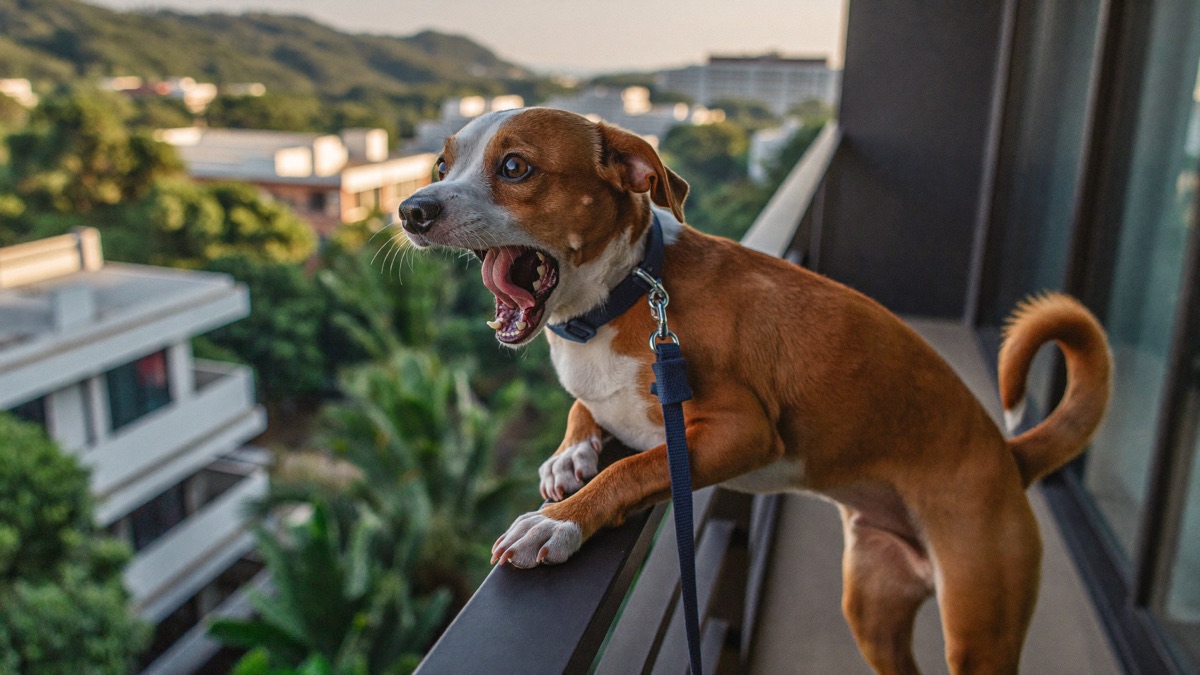
Alert barking. Lift doors, corridor footsteps, renovation drilling, delivery riders, void-deck chatter drifting up. The dog hears something, announces it, and the sound usually goes away — which, from the dog's perspective, means barking worked.
Boredom barking. A dog that gets a ten-minute pavement toilet walk and nothing else has hours of unspent energy. Barking becomes the hobby.
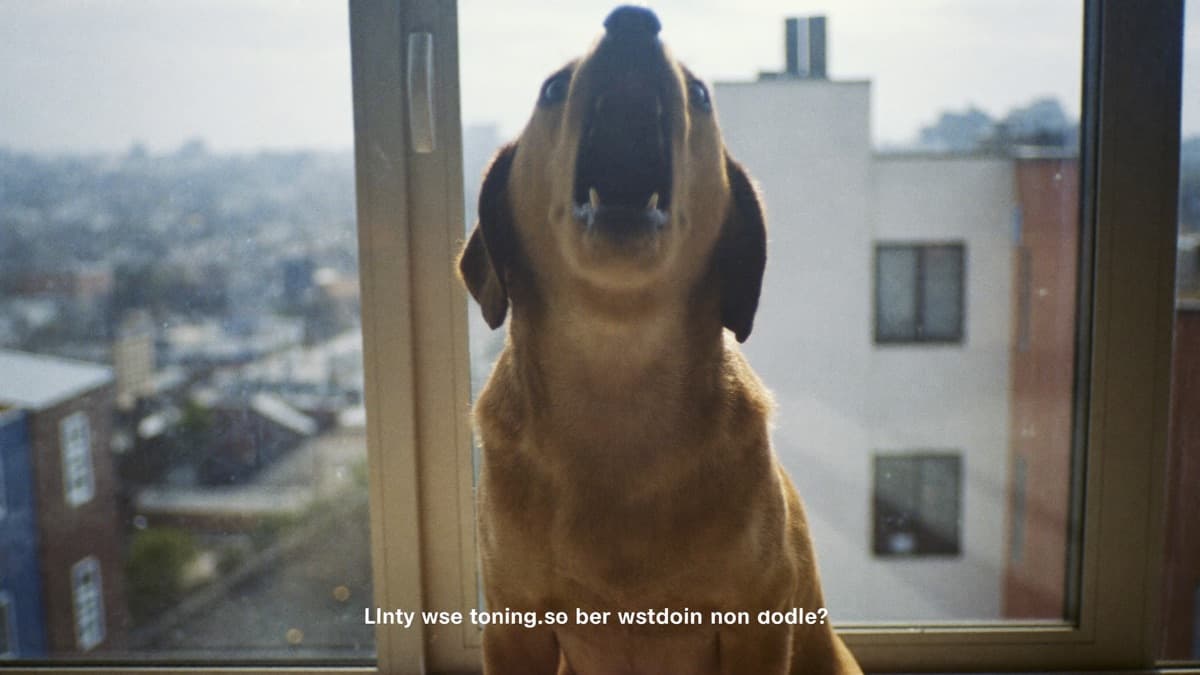
Separation distress. Barking or howling that starts shortly after you leave and continues in bouts, often with scratching at the door, pacing, or accidents. This is panic, not protest.
Demand barking. Barking at you for food, play, or attention — and it works, because you eventually respond.
Set up a phone or cheap camera and record your dog for a day. Ten minutes of footage tells you more than a week of guessing.
How do I fix each type of barking?
Alert barking: reduce what the dog hears and rewire what the sounds mean.
- Mask corridor noise with a fan, white noise, or low TV near the front door.
- Apply frosted film to windows or gates if the trigger is visual.
- Teach "thank you, done": when the dog barks at a sound, calmly mark the first pause and toss treats away from the door. Over weeks, the sound predicts treats instead of a threat.
Boredom barking: add legitimate outlets before you subtract barking.
- Two proper sniff-heavy walks daily — slow, nose-down walks tire an apartment dog more than fast loops.
- Feed at least one meal from a snuffle mat, Kong, or scatter feed instead of a bowl.
- Ten minutes of trick training burns surprising mental energy.
Demand barking: the rule is simple and hard — barking never works, silence always does. Turn away when the barking starts, and reward calm sitting or quiet lying down generously. Expect an "extinction burst" (it gets louder for a few days before it fades). Everyone in the household must hold the line, or you'll train a more persistent barker.
Separation distress: see below — this one needs a different approach entirely.
Why shouldn't I use an anti-bark collar?
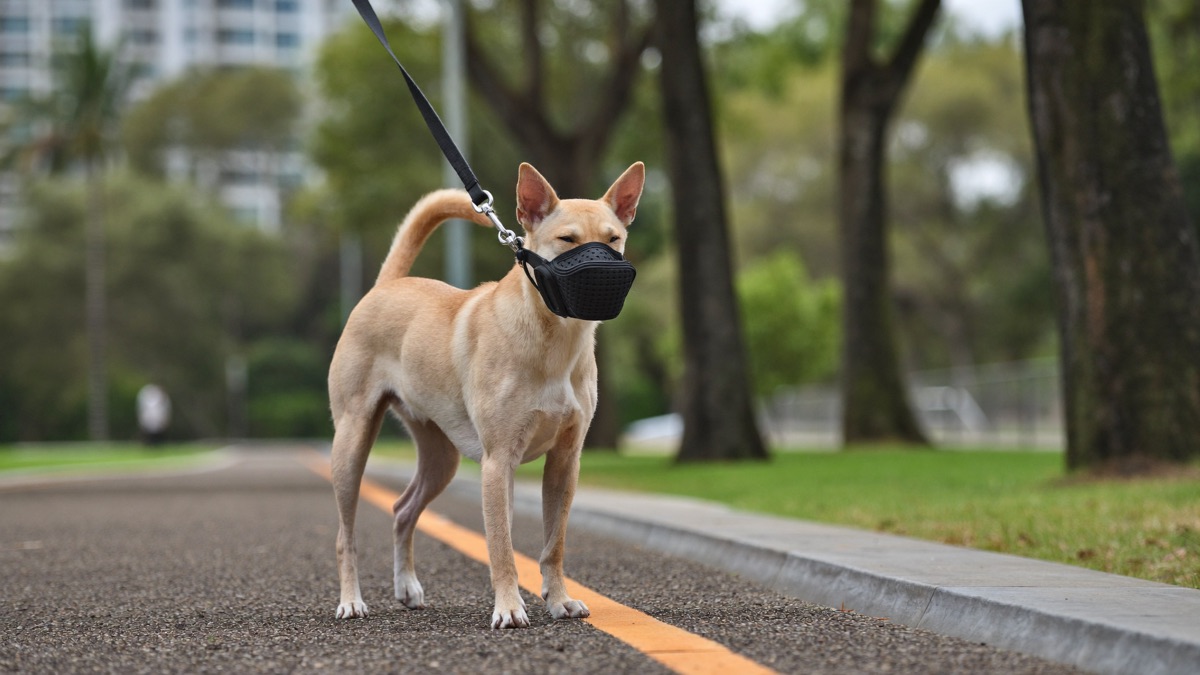
Shock, citronella-spray, vibration-punishment, and ultrasonic collars all work the same way: they make barking unpleasant. AVSAB's position statement on humane dog training is clear that aversive methods carry documented risks — increased fear, anxiety, and aggression — without outperforming reward-based training. In an apartment, the risks compound: a dog shocked while barking at the lift door may start associating the corridor, the neighbour, or the neighbour's child with pain. You quiet the symptom and buy a bigger problem. Skip them entirely, including "humane" spray versions.

What do I do about neighbour complaints?
Move fast and be visible about it. Knock on the neighbour's door before they knock on the town council's. Tell them you know, you have a plan, and give a realistic timeline (weeks, not days). Most people soften immediately when they see effort. Practical bridges while training progresses: doggy daycare or a pet sitter on your longest days, moving the dog's resting spot away from the shared wall, and white noise during peak corridor hours. In Singapore, HDB's pet-keeping guidelines expect flat dogs not to bark continuously, and unresolved complaints can move from the town council to AVS; in Malaysia, the local council. A paper trail of your training efforts helps if it ever gets formal.
When is barking actually separation anxiety?
Suspect separation-related distress if your recordings show barking or howling that starts within 30 minutes of departure, plus any of: destruction focused on doors and windows, drooling puddles, pacing, refusing food you left, or toileting accidents in a house-trained dog. This is a panic disorder, and no amount of exercise or Kongs alone fixes true panic. It responds well to structured treatment — gradual departures built up from seconds, sometimes alongside anti-anxiety medication prescribed by a vet. Start with your regular vet to rule out medical causes, then ask for a referral to a veterinary behaviourist or a credentialled force-free trainer experienced in separation anxiety protocols — in Singapore, the AVS-Accredited Certified Dog Trainer (ACDT) list is the reliable place to look, since accreditation requires certification in humane, science-based methods. Budget roughly S$120–250 / RM150–400 per private training session, and S$350–600 / RM500–1,000 for a veterinary behaviour consultation, as of 2026. The earlier you intervene, the faster it resolves — and your neighbours will thank you.