Why is scavenging such a big problem here?
Because our streets are unusually generous to a scavenger. Void decks and park connectors collect discarded chicken wings and drumstick bones; kopitiam and hawker-centre perimeters are a buffet of dropped satay sticks, curry-soaked rice and prawn shells; overflowing bins after weekend gatherings do the rest. Cooked bones splinter, skewers perforate, and rich scraps trigger vomiting or pancreatitis. Layer on the recurring community fears about rat poison and deliberate bait left in parks — whether or not any specific rumour is true, the only safe assumption is that unknown food on the ground is dangerous — and a dog that hoovers the pavement is playing Russian roulette on every walk.
One honesty check before the training plan: scavenging is self-rewarding. The find pays instantly, every time, at a value kibble can't match. Which means training alone — against a reinforcer that strong, in an environment this generous — will fail occasionally. Your plan has to survive those failures.
Why is a muzzle the honest answer for a committed scavenger?
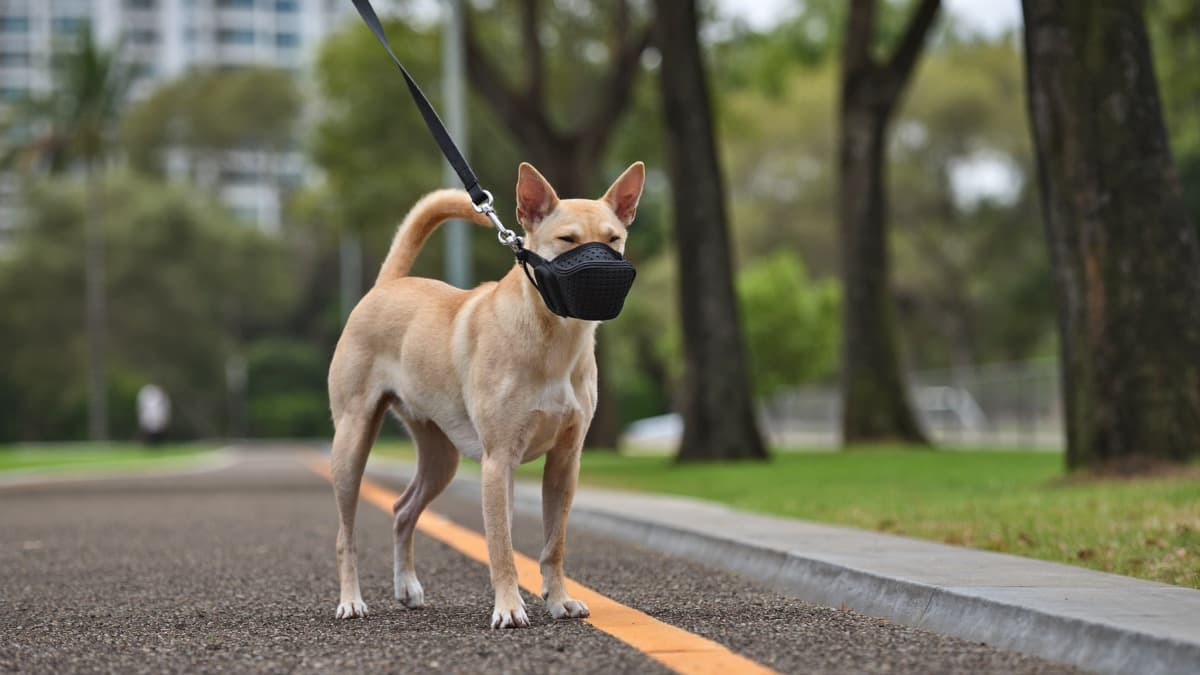
Because it's the only layer that works when everything else misses. You will not spot every chicken bone in the grass at dusk. Your leave-it will one day lose to a whole ikan bakar carcass. A well-fitted basket muzzle — one the dog can pant, drink and take treats through — means the day your training fails is a non-event instead of an emergency surgery.
Muzzle comfort is the key word: a muzzle forced onto an unwilling dog is misery, while one introduced as a peanut-butter game becomes just another piece of walking kit. Our muzzle training guide walks the full conditioning ladder. For serious, persistent gulpers — the dogs that swallow first and think never — this isn't the failure option; it's the responsible one, and it usually buys the calm months you need for the training below to mature.
Are leave-it and drop-it different skills?
Completely different, and you need both:
Scroll sideways to compare all columns →
| Leave-it | Drop-it | |
|---|---|---|
| When | Before the mouth gets there | After the prize is in the mouth |
| Teaches | "Ignore that, better deal here" | "Open your mouth, better deal here" |
| Failure cost | Dog grabs it → becomes a drop-it | Dog swallows → vet call |
| Train with | Covered treats, planted items | Toys first, then low-value food |
Leave-it starts with food covered in your fist and graduates to planted temptations on walking routes, always paid with something better. The progression is in teaching basic commands.
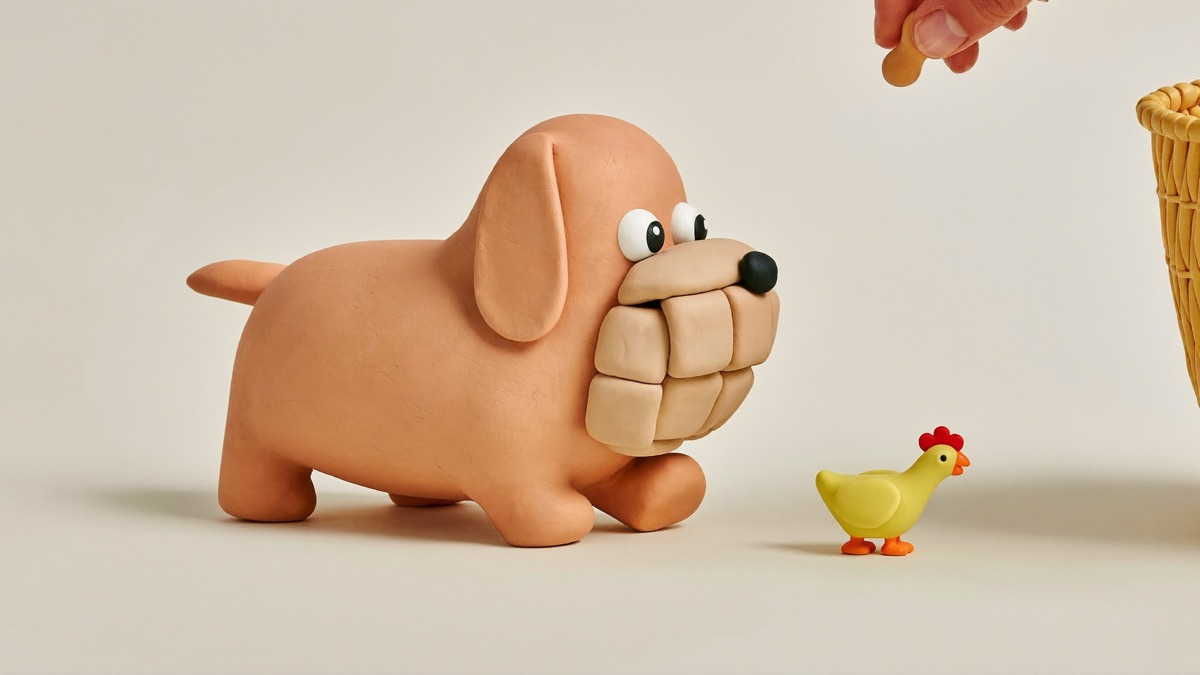
Drop-it is the one that saves lives, and it has one iron rule: trade, don't chase. Lunging at a dog's mouth teaches it to gulp faster and run further — you're training a speed-swallower. Instead, the instant the dog grabs something, become interesting elsewhere: scatter a handful of treats on the ground a metre away, cheerfully offer the trade, and pay magnificently every time the mouth opens. Practise dozens of trades with toys and boring objects at home so the real emergency isn't the first rep. A dog that has learned that surrendering treasure always leads to something better will spit out astonishing things.
How does scatter-feeding at home help?
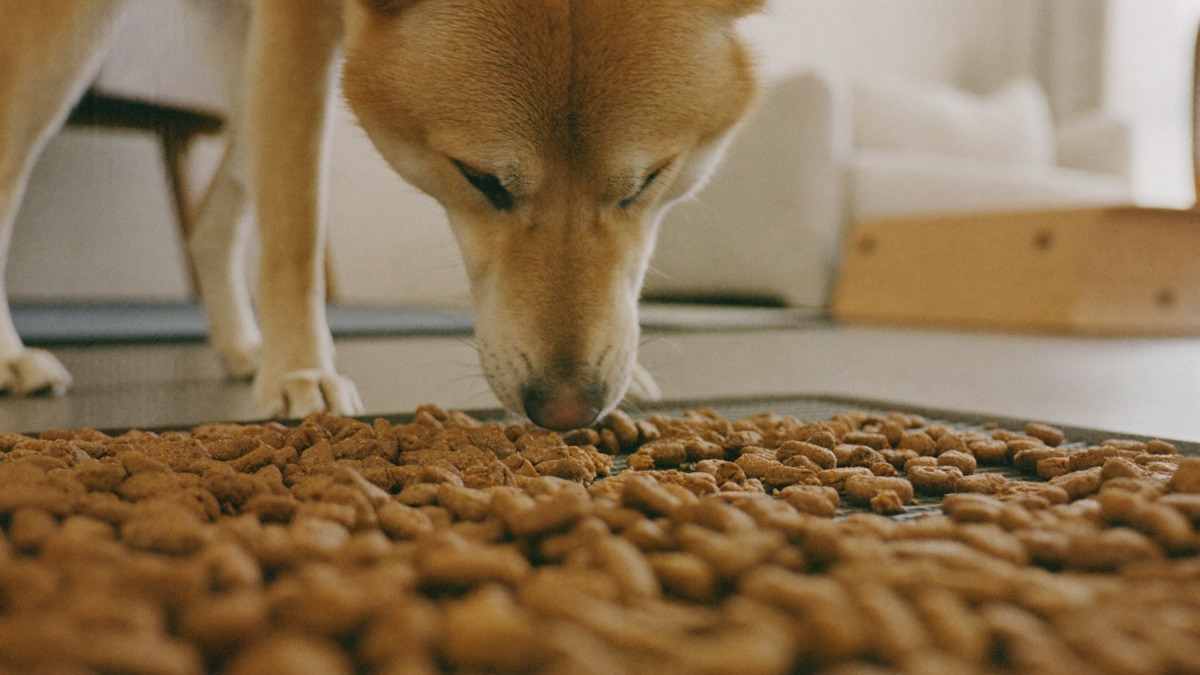
Scavenging is foraging drive, and drives don't disappear because you said no — they need a legal outlet. Give the nose a job at home and the street gets measurably less magnetic:
- Scatter-feed meals: fling the kibble ration across the kitchen floor, a snuffle mat or (if you have one) a patch of grass, instead of serving it in a bowl. Ten minutes of sniffing work beats a ten-second gulp.
- Rotate food puzzles, stuffed toys and cardboard-box destruction feeds.
- Play find-it games on walks: "find it!" plus treats tossed into clean grass gives the dog a sanctioned way to nose the ground — on your cue, at your chosen spot.
Dogs given daily foraging outlets are consistently easier to walk past real-world temptation, because the need is already met.
What do I do if my dog swallows something anyway?
Work the flowchart calmly:
- Identify it. Bone, skewer, corn cob, wrapper, unknown meat, possible poison?
- Toxic or unknown-with-poison-risk (rat bait, unidentifiable pellets, food from a suspicious pile): call your vet or the nearest emergency clinic immediately — do not wait for symptoms and do not induce vomiting unless a vet tells you to. Check our foods dogs can't eat list for toxic-food specifics.
- Sharp things (cooked bones, skewers): phone the vet for advice the same day. Making the dog vomit a sharp object can cause a second injury on the way back up.
- Blunt and probably digestible (a dropped bun, plain rice): monitor. Skip or halve the next meal, watch 48 hours for vomiting, lethargy, refusal to eat, straining or a painful belly — our guide to dog vomiting covers exactly when to escalate.
- Whatever it was, don't punish. The dog won't connect the scolding to the swallow — it will just learn to gulp faster and hide finds from you next time.