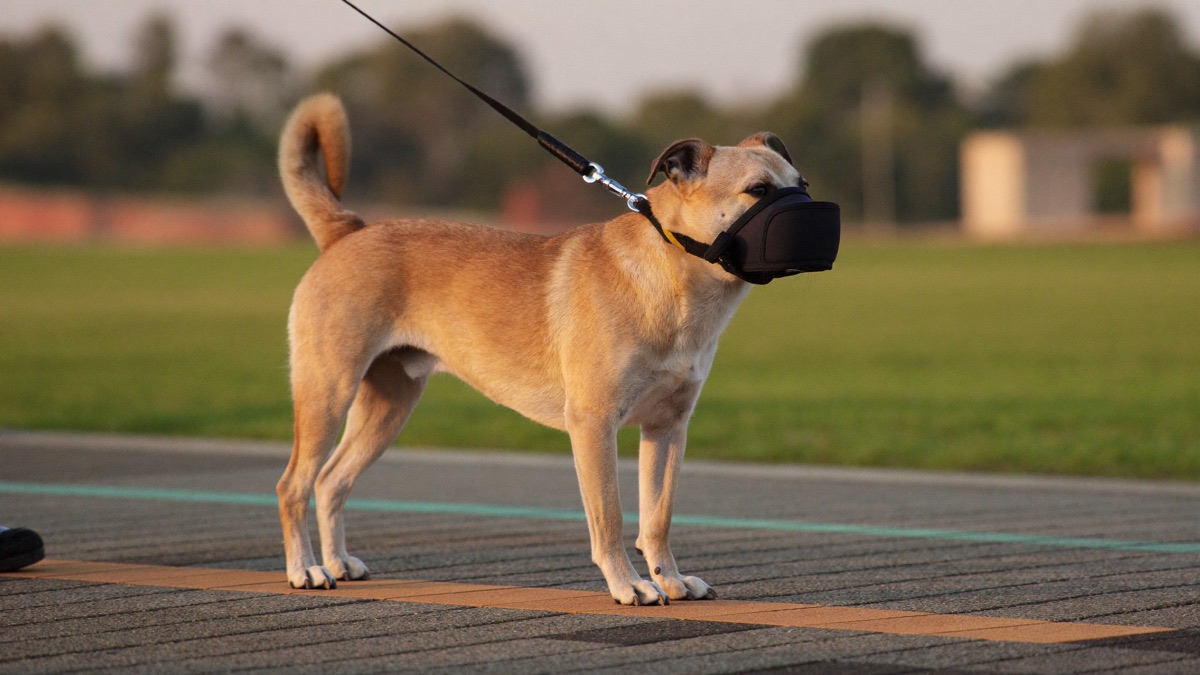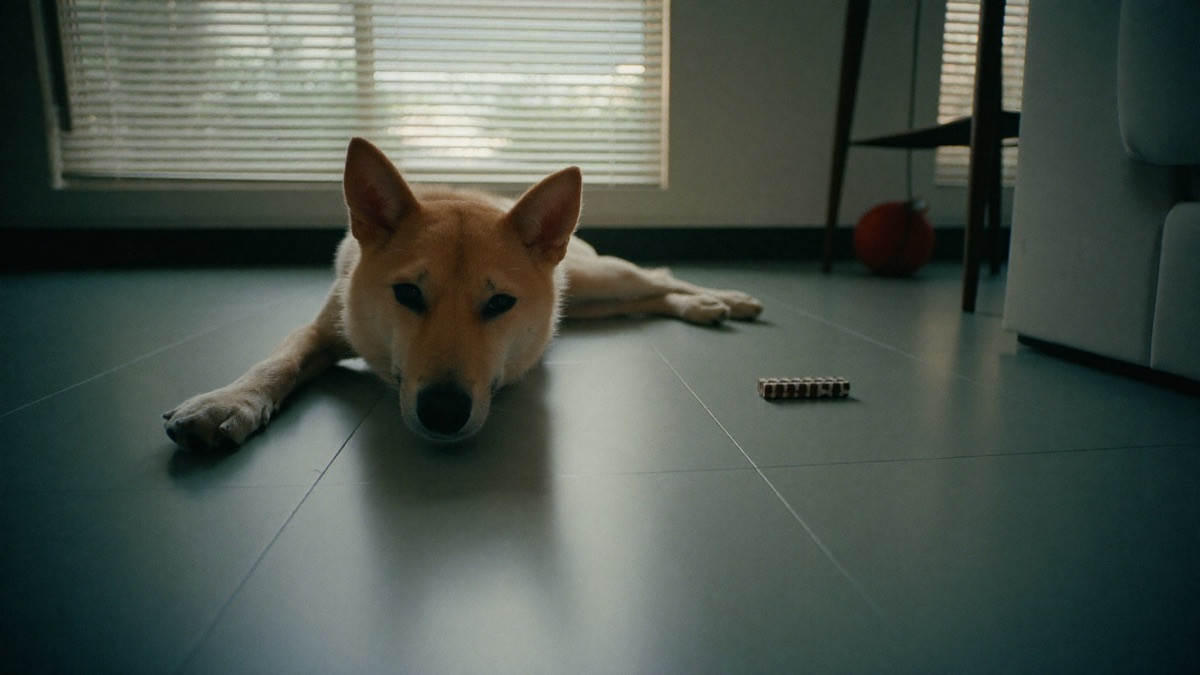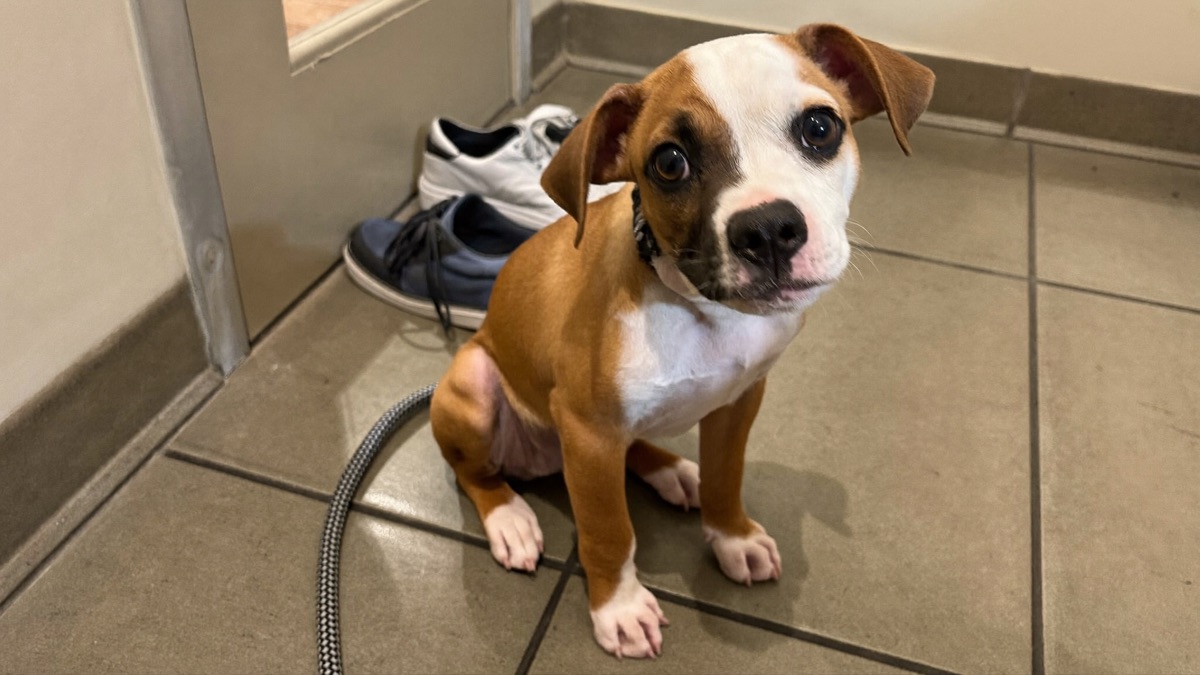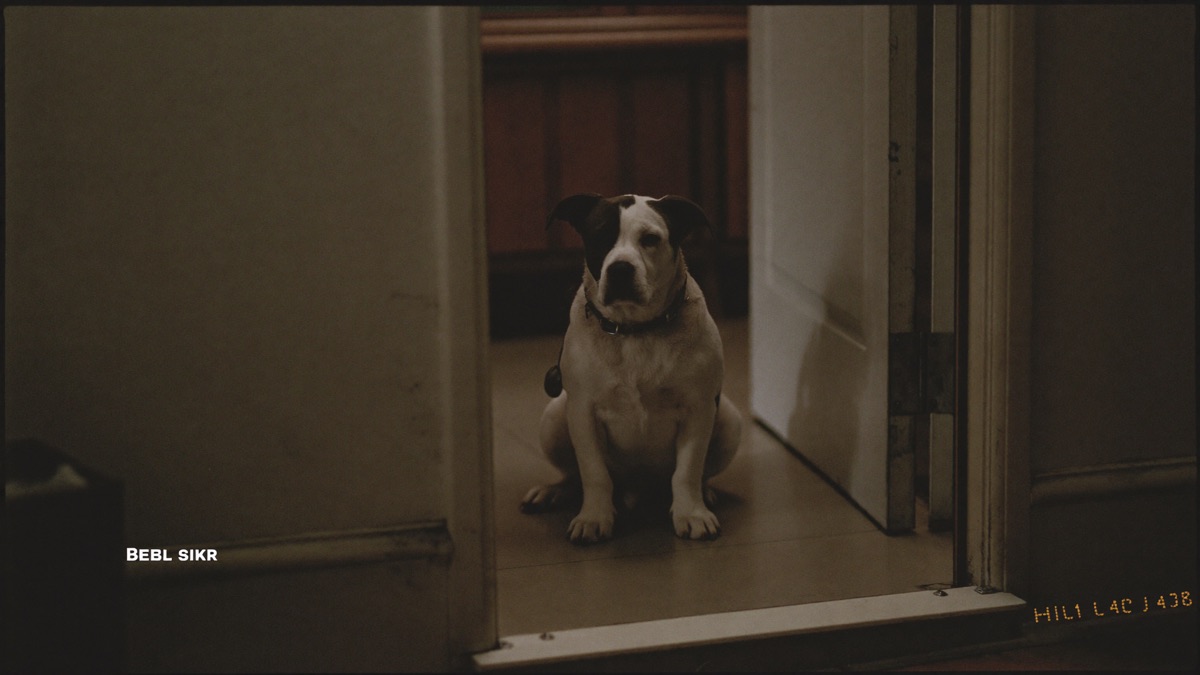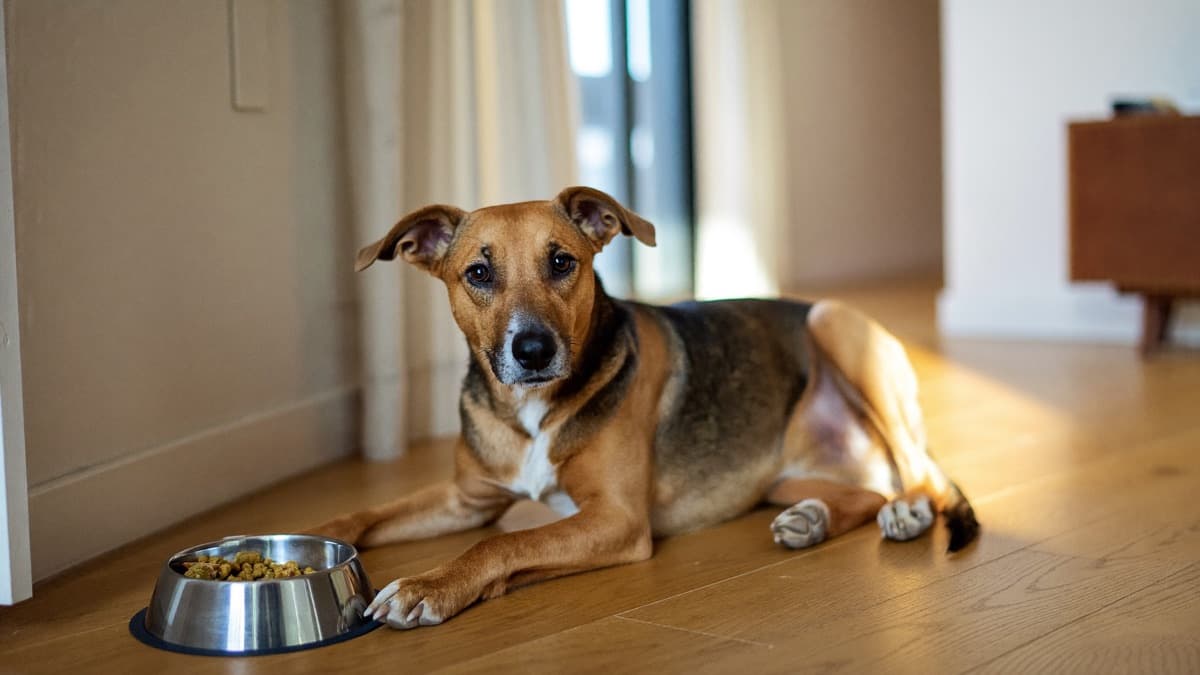
What is my dog actually saying when it growls?
Dog communication runs on distance. Some signals invite approach (play bows, soft wiggles); others request space. A growl sits in the second group — a distance-increasing signal, several rungs up a ladder that started much more quietly with lip-licks, head turns, and freezes you may have missed. Our dog body language guide covers those early whispers.
The crucial reframe: a growl means your dog is choosing to warn instead of bite. Dogs escalate through the ladder described in our fear aggression guide — appeasement, avoidance, freeze, growl, snap, bite — and each rung only appears because the one below didn't work. A growling dog is still negotiating. That is self-control, not insubordination.
Are all growls the same?
No — context, body posture and pitch tell you which conversation you're in:
Scroll sideways to compare all columns →
| Growl type | What it sounds and looks like | What it means | What to do |
|---|---|---|---|
| Play growl | Higher-pitched, rhythmic, with bouncy loose body, play bows, re-engagement | Commentary during a game | Nothing — enjoy it; pause play if bodies stiffen |
| Warning growl | Low, steady, with still or stiff body, closed mouth, hard stare | "Stop — I need space now" | Stop, add distance, note the trigger |
| Resource growl | Low growl over food, chews, toys or a resting spot | "I'm afraid of losing this" | Back off; see our resource guarding guide |
| Pain growl | New growling when touched, lifted or moved in a previously easy dog | "That hurts" | Vet visit first, before any training |
| Frustration growl | Grumbling on lead or behind barriers, often with barking | Blocked access, boiling over | Distance plus training, not telling-off |
The sound alone can't be read in isolation — a growl during tug with a wiggly body is a different animal from the same pitch delivered over a bone by a frozen one. Read the whole dog, then the context.
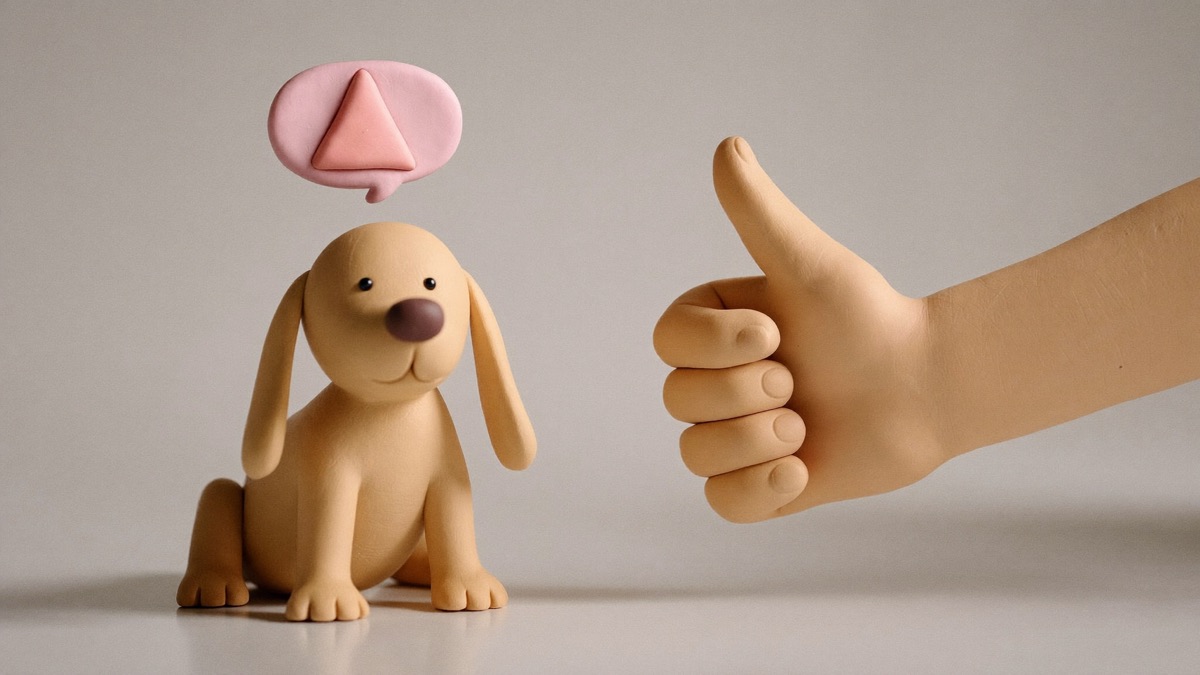
Why must I never punish a growl?
Because punishment deletes the warning and leaves the feeling. Scold, smack or alpha-roll a dog for growling and it learns one thing only: growling is dangerous for me. The discomfort underneath — fear, guarding anxiety, pain — is untouched. You've sawn the middle rungs off the ladder, and the predictable product is the "silent biter" who goes from quiet tension straight to teeth. As we say plainly in the resource guarding and fear aggression guides: no dog bites out of nowhere; some dogs have just been taught that warnings get punished.
This is why behaviour professionals call the growl a gift. It is free, accurate, perfectly timed information about exactly what your dog can't cope with — delivered before anyone got hurt.
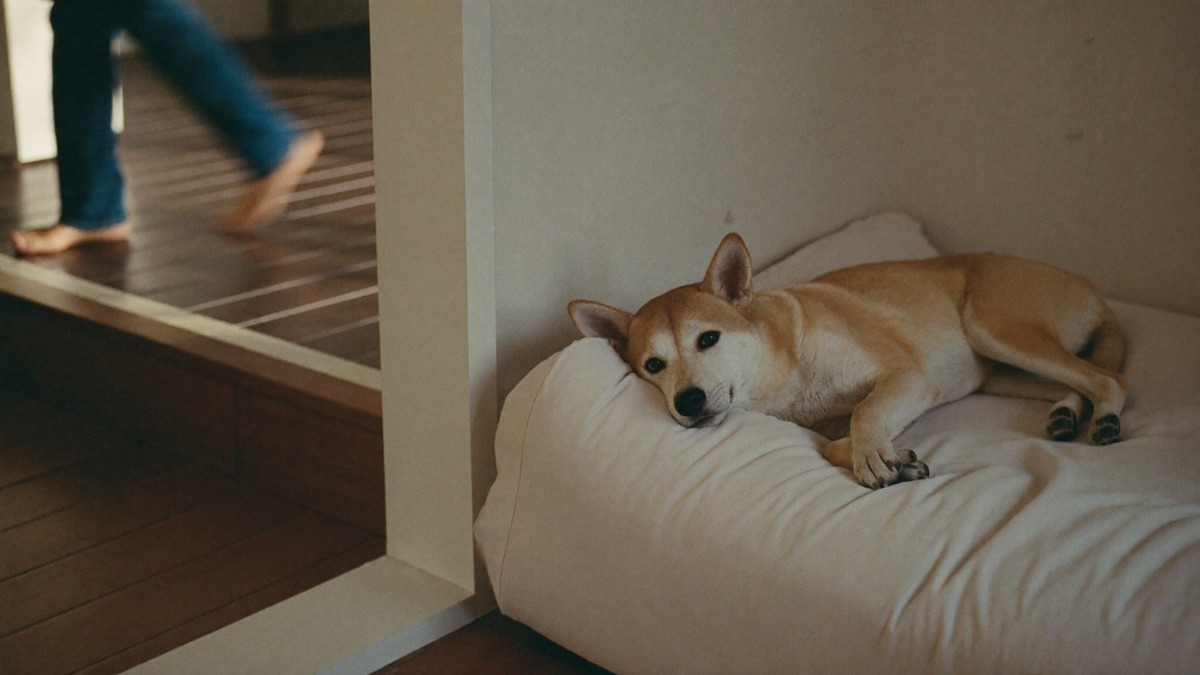
What should I do in the moment my dog growls?
Three steps, in order:
- Increase distance immediately. Stop what you're doing, step back, or calmly move your dog away. You are not "letting the dog win" — you're answering a polite question politely, which keeps the warning system intact.
- Note the trigger. What exactly was happening? Hand near the bowl, child approaching the sofa, being woken, a stranger reaching over the head? Write it down; patterns emerge fast.
- Be quietly grateful. Your dog chose the negotiating rung, not the biting one. Thank your lucky stars you own a communicator — and resolve to keep it that way.
What you don't do: shout, punish, force the issue to "show them it's fine", or repeat the trigger to test it. Every forced repeat is a rehearsal of exactly the emotion you're trying to shrink.
How do I fix the cause instead of the sound?
The growl is the smoke alarm; the training target is the fire. That means changing how your dog feels about the trigger, done below threshold with desensitisation and counter-conditioning: the trigger appears at a distance your dog can cope with, brilliant things happen, and the distance shrinks over weeks. Rule out pain with a vet first — especially for any new growling — then manage the trigger day-to-day so the growl isn't being rehearsed while you train.
Get help early if growling involves children, escalates, or comes with snaps or bites — that's above the DIY line, and our bite prevention playbook and escalation guide map the route. In Singapore, start with the AVS-Accredited Certified Dog Trainer list; private behaviour sessions run roughly S$120–250 / RM150–400 as of 2026. Whatever you do, protect the growl. A dog that still warns is a dog you can keep everyone safe around.