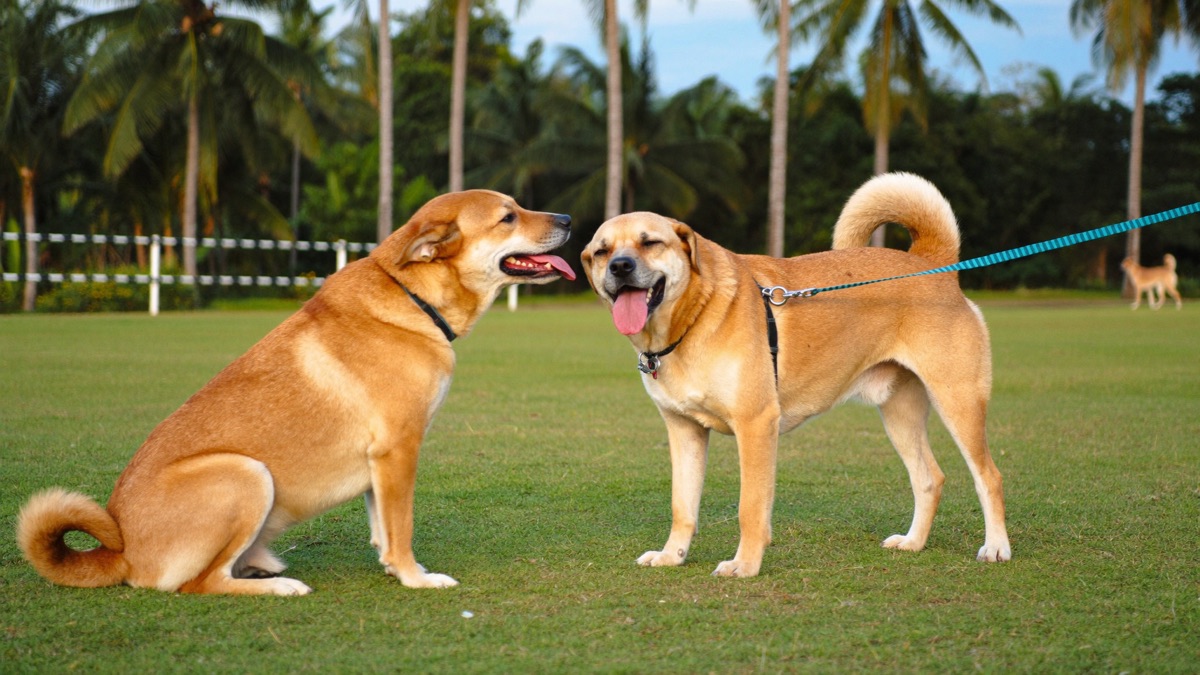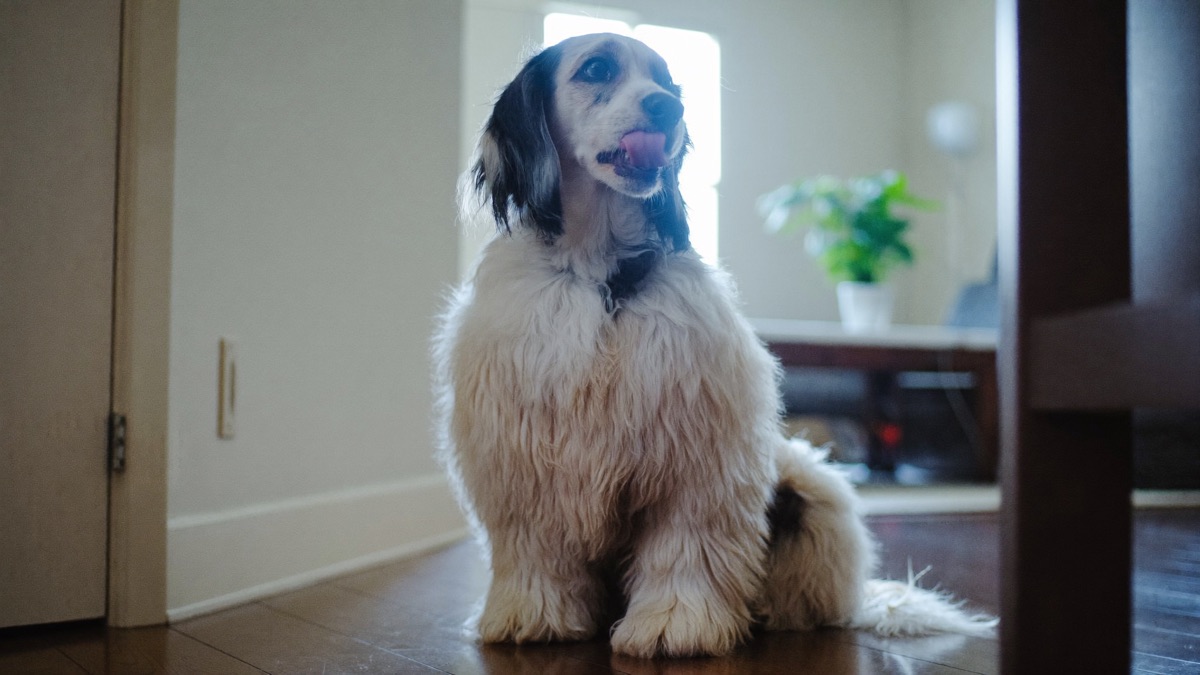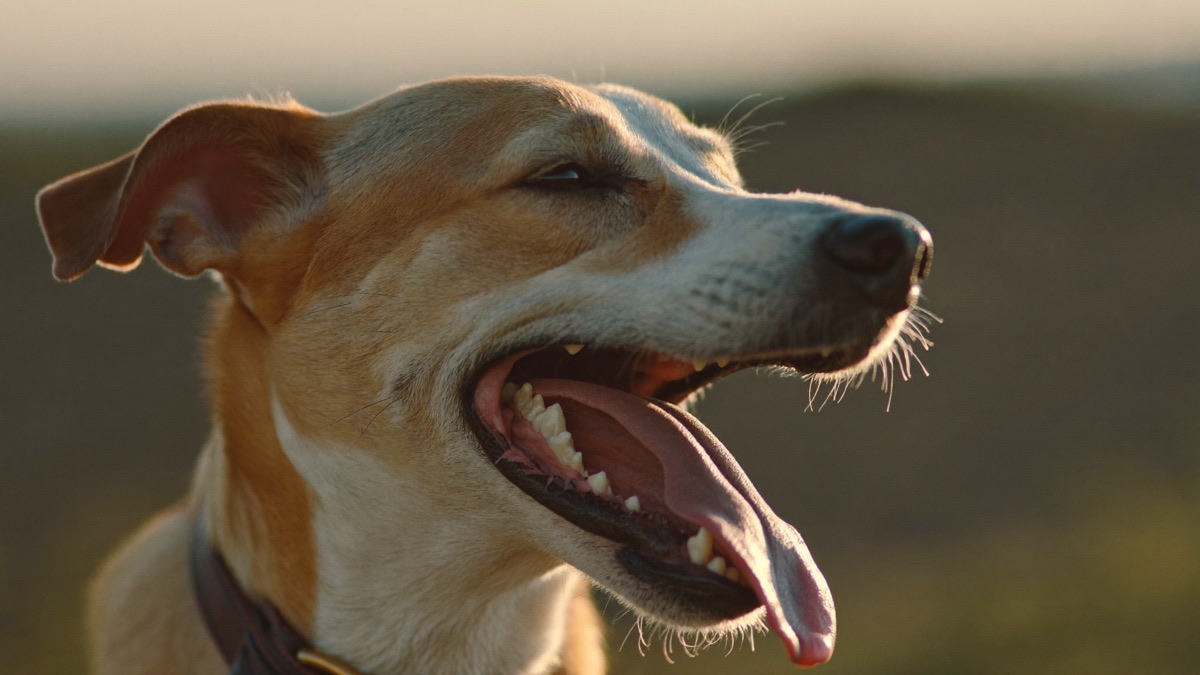
Learning a dozen signals is the single highest-value skill a dog owner can pick up. It prevents bites, makes training faster, and tells you honestly whether your dog is enjoying something or merely enduring it.
Which dog body language signals do owners misread most?
Scroll sideways to compare all columns →
| Signal | What people assume | What it usually means |
|---|---|---|
| Yawning (outside rest) | Sleepy | Stress release — common at the vet, during hugs, in training that's too hard |
| Whale eye (whites showing, head turned) | "Guilty look" | Anxiety or guarding — the dog is watching a threat without facing it |
| Lip or nose licking (no food around) | Hungry | Appeasement under pressure — "please back off" |
| Shake-off (wet-dog shake while dry) | Just scratching | Resetting after tension — like a human exhaling after a close call |
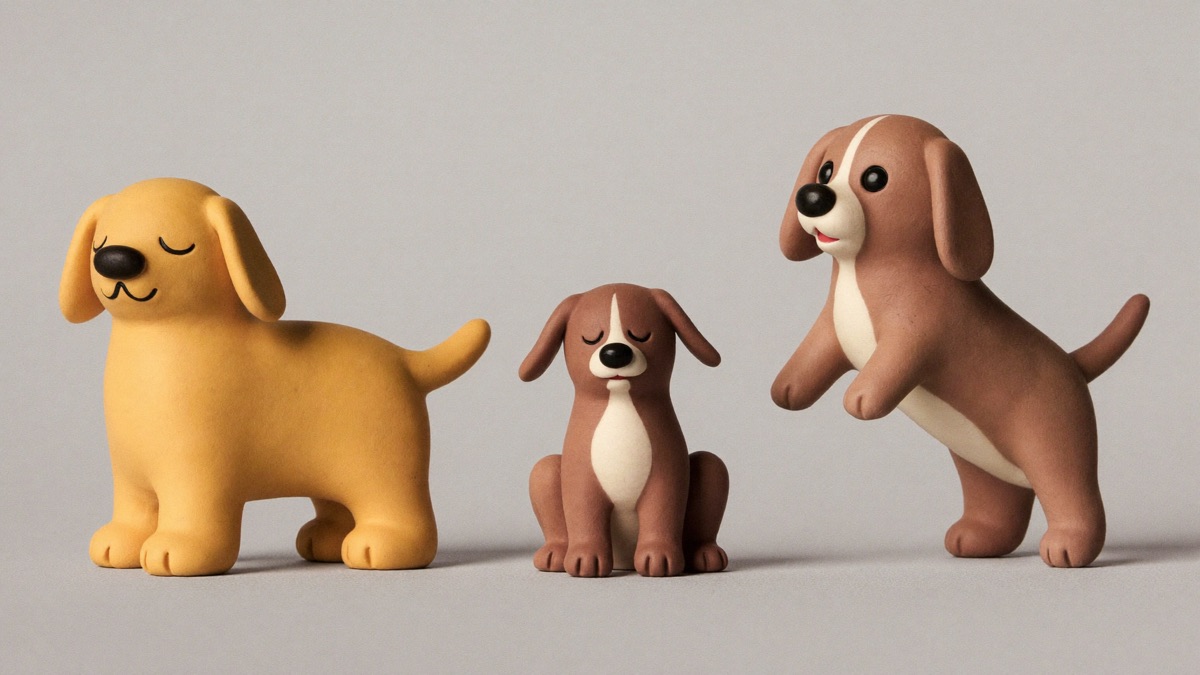
| Play bow (chest down, rump up) | Random stretch | A genuine invitation — "everything after this is play" |
| Tucked tail | "He knows he did wrong" | Fear — the dog is trying to look small |
| Low, slow wag | Half-hearted happiness | Uncertainty or appeasement, not joy |
| Rolling over during greeting | "Rub my belly" | Often appeasement — a stiff, still roll means "I'm no threat", not an invitation |
The common thread: dogs de-escalate first. Nearly every misread signal is a dog trying to end an uncomfortable interaction politely. Tail signals are their own language — speed, height, and even direction carry meaning, which we cover fully in our dog tail wagging guide.
What is the escalation ladder before a dog bite?
Bites almost never come "out of nowhere". Dogs climb a predictable ladder, and each rung is an attempt to avoid the rung above it:
- Subtle stress signals — yawning, lip licks, looking away, sniffing the ground suddenly.
- Distance-seeking — turning the body away, walking off, hiding behind the owner.
- Whale eye and freezing — body goes stiff and still, mouth closes. This is the loudest quiet signal a dog gives.
- Growl or hard stare — an explicit warning (see our guide to the hard stare vs soft stare).
- Snap — a deliberate miss.
- Bite.
Two rules follow. First, respond at rungs 1-3 by giving space, and you will almost never see rungs 4-6. Second, never punish a growl. A growl is information; punishing it teaches the dog to skip the warning and go straight to the snap. Dogs repeatedly pushed past their signals — hugged while frozen, cornered while lip-licking — learn that subtle communication doesn't work.
How should children greet a dog?
Most bites to children happen with familiar dogs and misread signals, so make the routine automatic:
- Ask the owner first, every time — then let the dog decide. The child stands still, side-on, hands low; a dog that wants contact will come over.
- No hugs, no kisses, no staring, no grabbing the face. These are the top triggers for the freeze-and-snap sequence, however tolerant the dog looks.
- Stroke the chest, shoulder, or side — not the top of the head — for a few seconds, then stop. If the dog leans in for more, continue; if it moves away or shakes off, the greeting is over.
- Never approach a dog that is eating, sleeping, or tethered, and teach kids that a still, stiff dog is a "no", not a challenge.
In busy SG/MY void decks and lift lobbies, dogs meet strangers at close quarters constantly — a leashed dog that turns its head away or tucks its tail is asking for space, not being unfriendly.
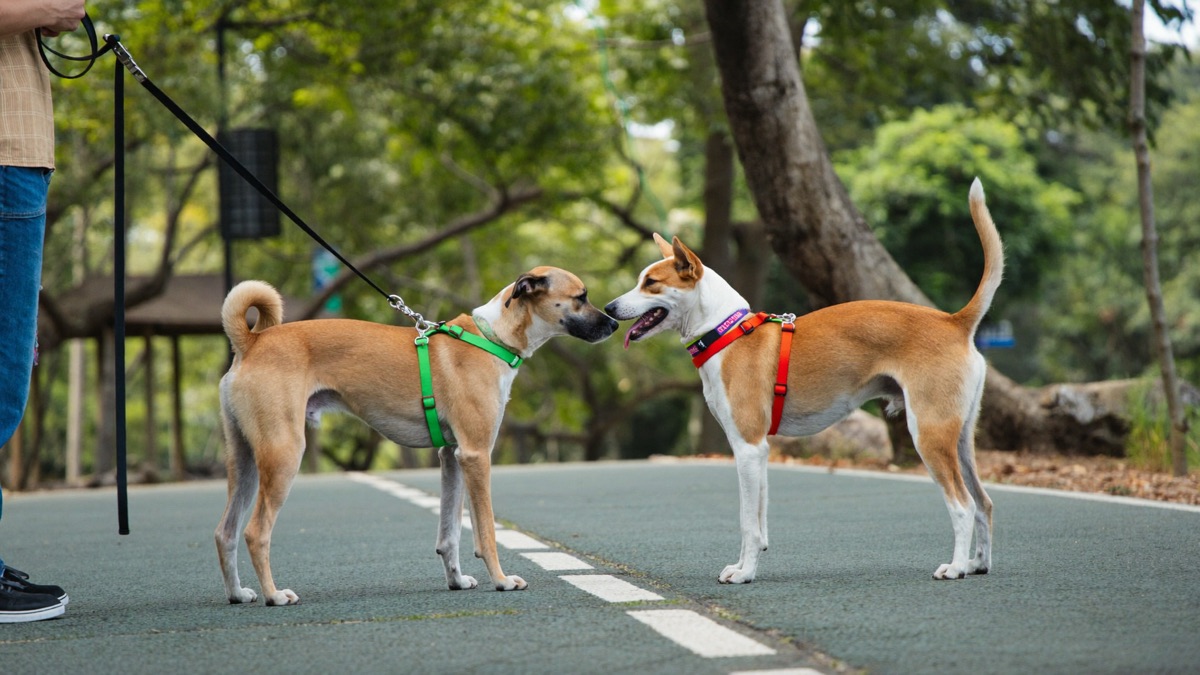
What does relaxed dog body language actually look like?
Loose is the keyword: soft eyes (sometimes squinty), open or gently closed mouth, ears in their natural position, weight evenly planted, tail at neutral height moving in easy sweeps, and curvy, wiggly movement rather than straight, stiff lines. A relaxed dog's body looks like it's made of rubber; a stressed dog's looks carved from wood.
Vocal signals belong to the same system — pitch and context change everything, as our apartment barking guide explains. And if your dog is trembling rather than signalling, that's a different checklist: see why is my dog shaking.
If you're seeing frequent stress signals in everyday life, or growling you don't understand, get qualified help early — in Singapore, the AVS-Accredited Certified Dog Trainer list is the sensible starting point, since accreditation requires reward-based, science-backed methods. Reading your dog honestly is not just safety — it's the difference between a dog that tolerates its life and one that enjoys it.