Start with the situation
| What you notice | What to do next |
|---|---|
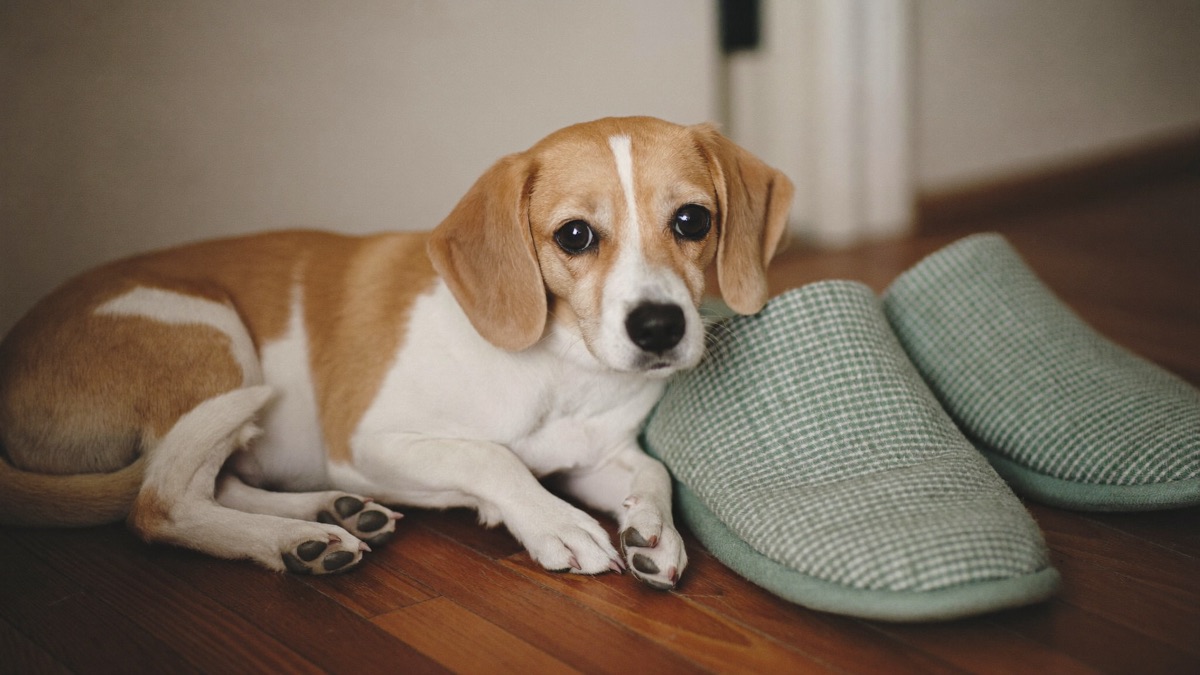
| Watching you prepare food or pick up the lead, with otherwise relaxed behaviour | Consider the familiar cue or request; AKC describes these everyday reasons for watching people. |
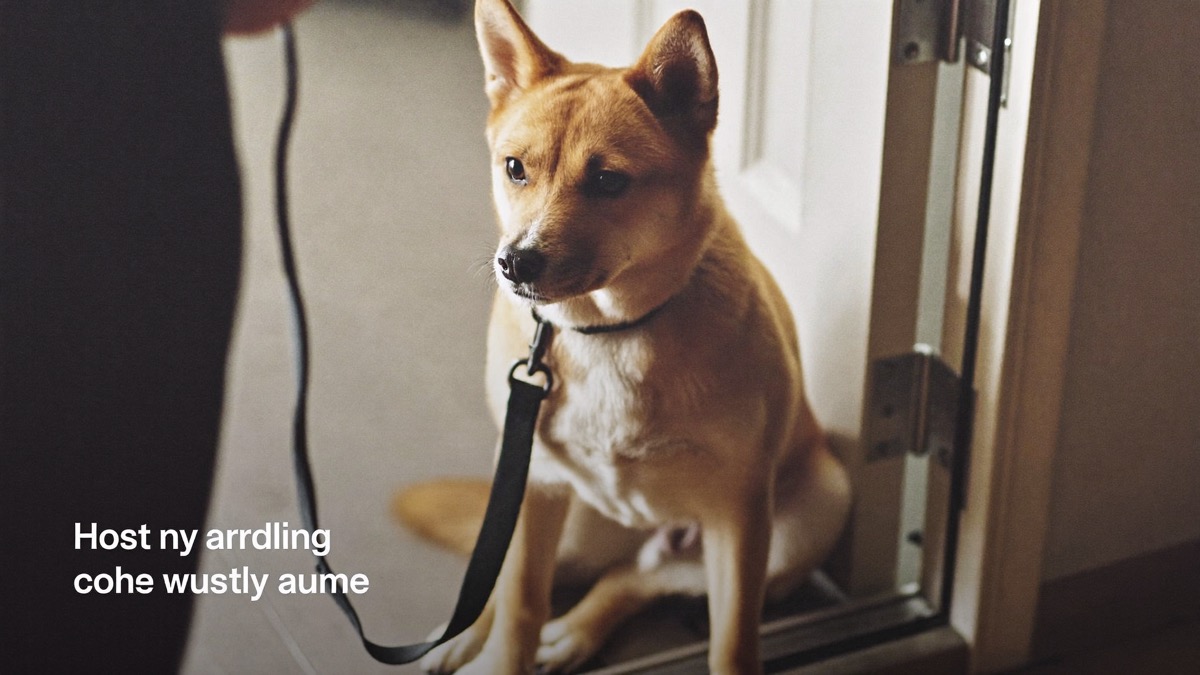
| Looking between you and a door | Check whether the dog needs a toilet break or another routine need met; do not assume every stare asks for a treat. |
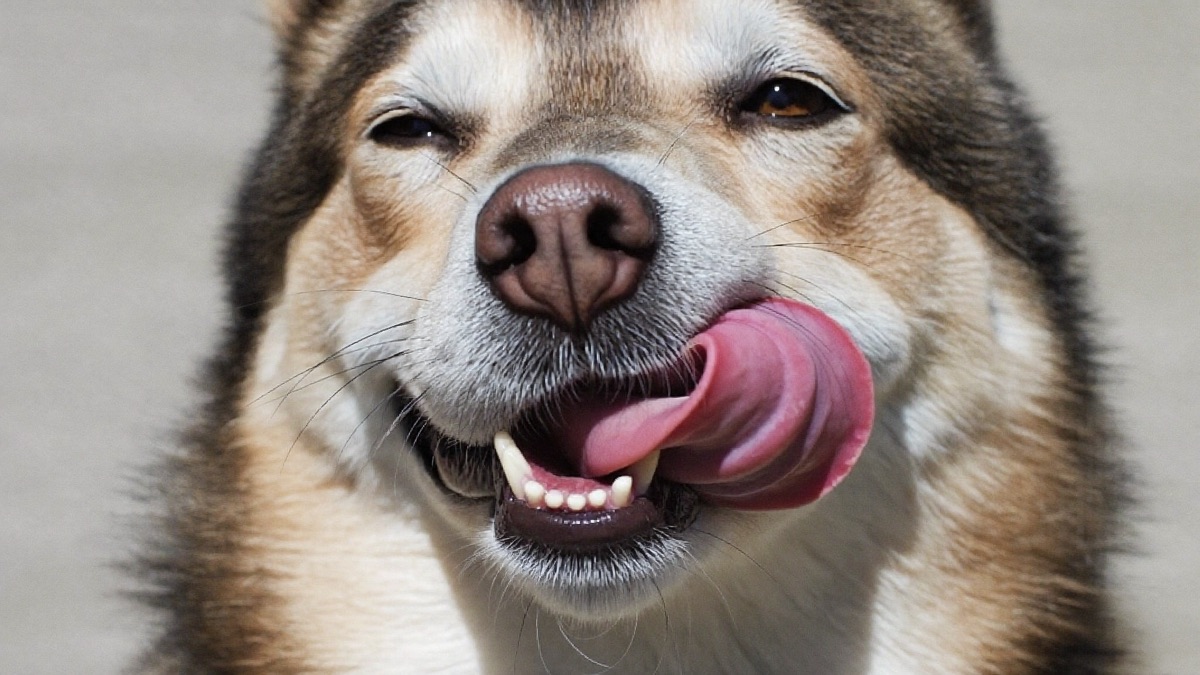
| Fixed gaze with stiffening or freezing near food, a toy or resting place | Give space and do not reach in. VCA identifies these as possible guarding signals. |
| Newly staring into space, becoming disoriented or getting stuck | Contact your vet; Cornell explains why these signs need assessment. |
This is a way to organise observations, not a diagnosis or a test of whether a dog is safe to approach.
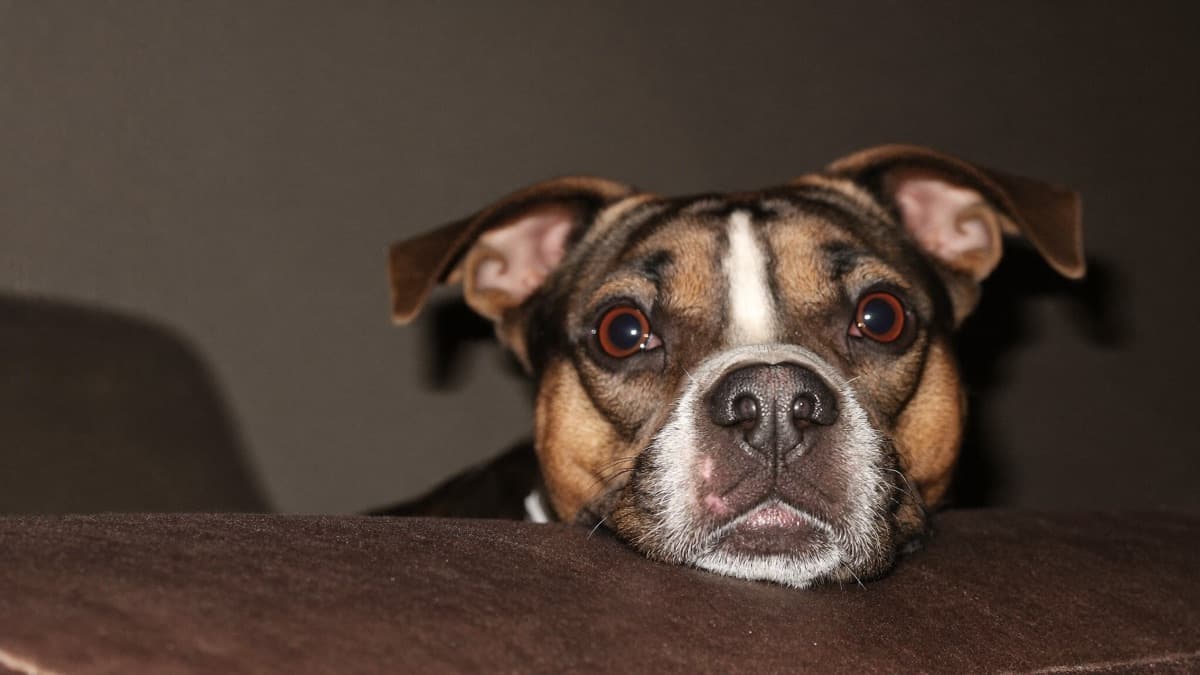
Does staring mean my dog loves me?
It may be part of a friendly interaction, but it is not proof of a particular emotion. A 2015 study by Nagasawa and colleagues found a relationship between dog–owner gaze and urinary oxytocin changes in its experiments. That supports research into bonding; it does not establish the meaning of every look from your dog.
Let the dog choose whether to engage. AKC advises against staring down unfamiliar dogs or holding dogs still to make eye contact.
Why does my dog watch me eat or follow my movements?
Food, walks and attention can become predictable outcomes of your actions. If looking at you during a meal has earned food, that response may help maintain the behaviour.
For a relaxed dog, practise and reward an alternative routine, such as settling in its bed while you eat. Keep the household's response consistent. AKC discusses teaching an alternative to staring for attention. This advice is for ordinary attention-seeking; use the next section if the dog is tense around food or possessions.
What if the stare is fixed and the dog is tense?
VCA's food-guarding guidance describes staring, stiffening and stopping movement as possible warnings. If you see them, stop approaching and quietly give space. Do not scold, touch the dog or reach for the item to see what happens.
Keep children and other pets away from eating areas and valued items. Arrange feeding so the dog can eat undisturbed. If guarding has already appeared, discuss a management plan with your vet and a suitably qualified behaviour professional before attempting approach or exchange exercises. A generic “trade for a treat” instruction is not a safe plan for every tense dog.
In Singapore, the AVS trainer directory is one place to check credentials (checked 1 October 2026). Ask about experience with guarding, methods and coordination with your vet. In Malaysia, ask your vet about appropriate local behavioural help. A directory listing alone does not establish that a trainer is the right person for a particular bite-risk case.
What if my older dog stares at walls or into space?
Cornell's veterinary guidance includes disorientation, getting stuck, altered sleep, house-soiling and interaction changes among signs associated with cognitive dysfunction. Similar changes can also arise from pain, illness or impaired sight or hearing, so arrange a veterinary assessment instead of assuming dementia or normal ageing.
Ask the vet what examination or tests are appropriate. A management plan depends on the diagnosis; do not start medicines or supplements based only on a staring episode.
Make a useful note for your vet or trainer
Record the situation without provoking it:
- When: time, duration and whether this behaviour is new or becoming more frequent.
- Where: distance from food, toys, doors, other pets and people.
- What else changed: posture, movement, appetite, sleep, toileting or response to familiar cues.
- What happened next: whether giving space or completing a normal routine changed the behaviour.
A short video may help if you can record from a safe distance without approaching or recreating the trigger. Bring your notes to the appointment. For choosing support in Singapore, our training provider comparison includes questions to ask before booking.