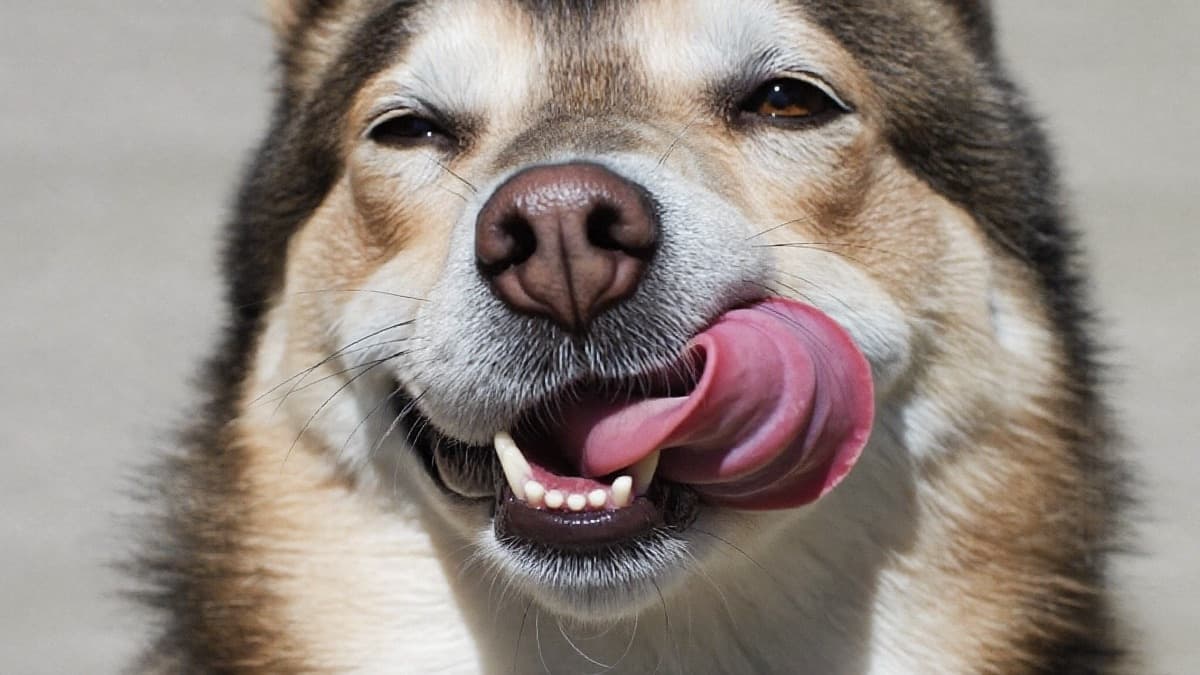
Licking is one of the first behaviours a puppy ever performs and receives — mothers lick pups to groom and comfort them, and pups lick their mother's face. Your dog carries that social wiring into life with you. Here's how to read what a lick means, and when it stops being sweet and starts being a symptom.
Is my dog licking me out of affection?
Often, yes. Slow, relaxed licking during cuddles — accompanied by a loose body, soft eyes, and a gently wagging tail — is the canine equivalent of grooming a family member. Licking releases endorphins in the dog, so it's genuinely soothing for them, not just a gesture aimed at you. Dogs also greet with licks the way they greeted their mother's muzzle as pups. If the context is calm and the body language is soft, take the compliment.
Does my skin just taste good?
More than you'd like to know. Human sweat is salty, and in Singapore and Malaysia's heat there's plenty of it. Post-gym legs, hands after eating, freshly moisturised arms — all delicious or at least fascinating. Taste-driven licking is easy to spot because it's targeted (that patch of forearm, right after your run) and stops when the flavour runs out. The only caution: medicated creams (steroid, hormone, zinc, or pain-relief gels) can harm a dog that licks them off, so apply and cover before cuddle time.
Is my dog licking me for attention?
Very likely, if the licking happens when you're ignoring them — on your phone, at your laptop — and stops once you engage. From the dog's perspective, licking is a spectacular button: press tongue on human, human looks, talks, laughs, or pushes you away (still attention!). If you enjoy it, no problem. If it's too much, don't scold — just make licking stop working. Quietly withdraw attention when the tongue starts, and generously reward the behaviour you'd prefer, like sitting calmly beside you or settling on a mat. Give the dog more attention overall through play, sniffy walks, and training; attention-seeking shrinks when the account is well funded.
What is appeasement licking?
Dogs use quick, flicky licks — often with lowered head, ears back, and slightly crouched posture — to say "I'm no threat, let's be friends." You'll see it when you've raised your voice, when a stranger looms over them, or after they've been startled. It's a peacekeeping signal, not guilt. The right response is to lower the pressure: soften your tone, give them space, and avoid punishing the licking itself, which only makes an anxious dog more anxious.
When is licking compulsive or medical?
See a vet if licking changes character or becomes constant. Red flags:
- Self-licking that causes damage — bald patches, red or thickened skin, or a wet spot they return to obsessively (often a paw or wrist). Common culprits are allergies (very common in our humid climate), skin infections, or joint pain under the licked area.
- Sudden excessive licking of floors, walls, or air, or frantic lip-licking with gulping — this pattern is associated with nausea and gastrointestinal discomfort.
- Licking you or objects for long, trance-like stretches that are hard to interrupt, especially in an anxious dog. Compulsive licking is a recognised behavioural disorder, and it responds best to early treatment — a vet check to rule out medical causes first, then behaviour modification and sometimes anti-anxiety medication.
- New licking in a senior dog, which can accompany cognitive decline.
The test is interruptibility and cost: normal licking pauses easily when something interesting happens and harms nothing. Licking your dog can't stop, or that's damaging skin (theirs or yours), earns a vet appointment — start with your regular clinic (the Singapore Veterinary Association's clinic directory can point you to one nearby) and ask about a referral to a veterinary behaviourist if anxiety is driving it.
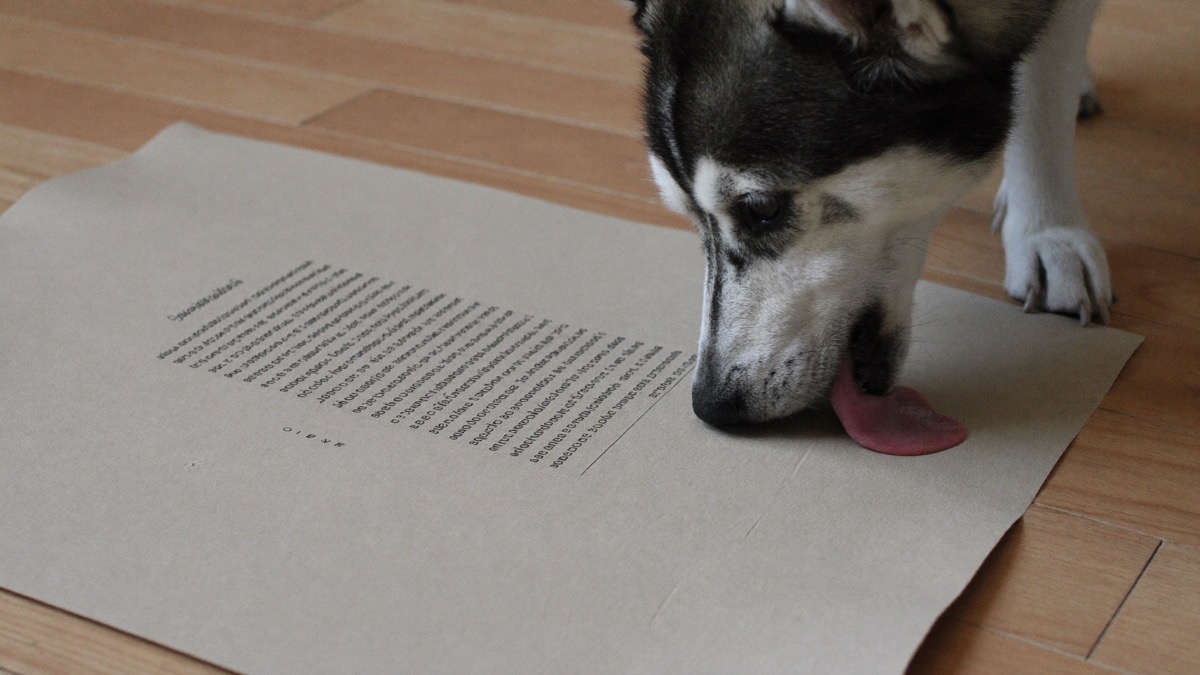
For everyday licking you'd simply like less of, a lick mat smeared with plain yogurt or xylitol-free peanut butter redirects the urge onto something legal, and ten minutes of sniffing and training a day quietly lowers the drive behind it. Most of the time, though, a lick is exactly what it looks like: your dog telling you, in the oldest language they have, that you belong to each other.