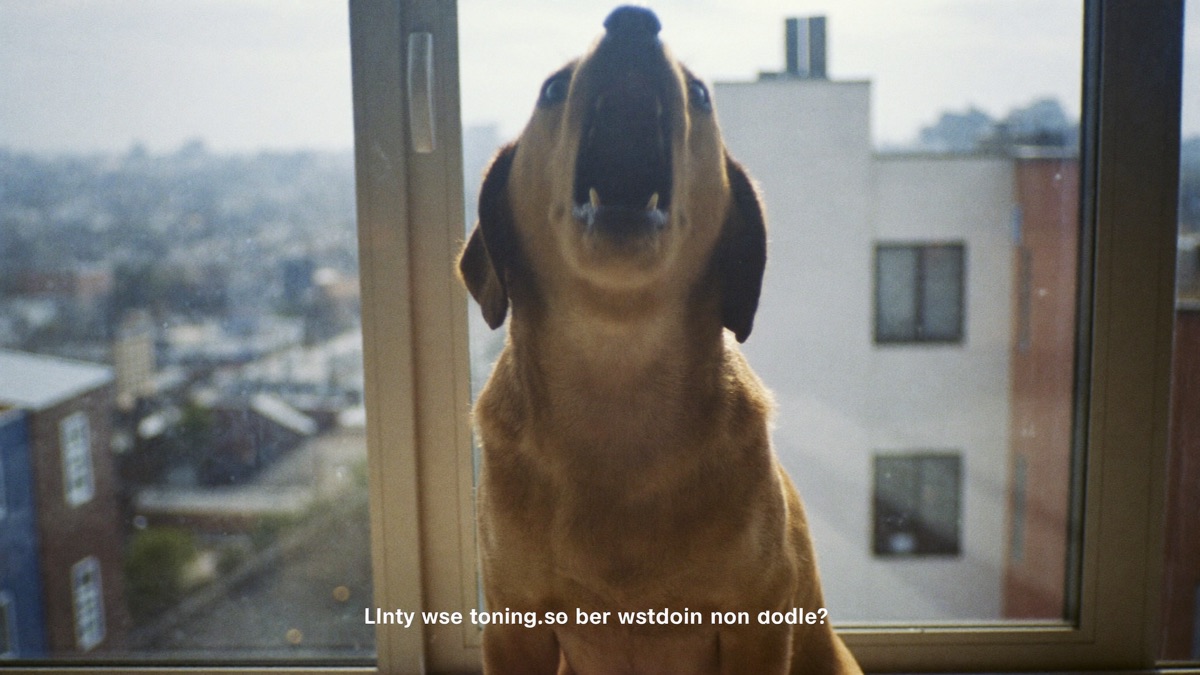
Barking is communication, not defiance. Your job isn't to delete it; it's to answer the question the bark is asking, then teach a quieter way to ask.
What type of barking is it?
Watch your dog for two or three days — or better, record it — and match what you see to this table. The fix depends on the why, so this step isn't optional.
Scroll sideways to compare all columns →
| Bark type | What it looks like | The fix |
|---|---|---|
| Alert | Sharp bursts at sounds or sights (door, corridor, window), stops when the trigger passes | Block or mask the trigger, then reward the first pause so the sound predicts treats, not threat |
| Demand | Aimed at you — for food, play, the sofa; escalates until you respond | Barking earns nothing, ever; calm quiet behaviour earns everything. See our demand barking guide |
| Boredom | Long monotonous sessions when under-exercised or alone with nothing to do | Raise the daily exercise and enrichment baseline before anything else |
| Fear | Backing away while barking, low body, ears back — distance-seeking | Never punish; increase distance from the trigger and rebuild the association gradually |
| Frustration | Barking at barriers — the window dog it can't reach, the lead, the closed door | Manage access to the barrier and teach a disengage pattern; see barking at other dogs |
| Play | Bouncy, higher-pitched, with play bows during games | Mostly fine; pause the game briefly if it tips over the top, resume when quiet |
Two patterns don't fit this table and need a vet, not a trainer — covered at the end.
Why does shouting make barking worse?
Because your dog can't tell the difference between "be quiet!" and you barking along. A raised voice adds volume and urgency to the exact moment you want to drain energy from, and for alert barking it confirms the dog's read: something is happening, the human is reacting too. The counterintuitive move — going quieter, slower, and calmer during an episode — is the one that works. Save your voice for marking the pause.
Why not just use a bark collar?
Shock, citronella-spray, and ultrasonic collars all operate the same way: make barking unpleasant enough to suppress it. The American Veterinary Society of Animal Behavior's position is that aversive methods carry documented risks — increased fear, anxiety, and aggression — and don't outperform reward-based training. Worse, the collar can't aim. A dog corrected while barking at a child in the corridor may learn that children predict pain. You trade a noise problem for a bite risk. Skip every version, including the ones marketed as humane.
How do I teach a quiet cue properly?
Most quiet cues fail because they're taught mid-chaos. Done right, it takes two weeks of short sessions:
- Mark the pause, not the silence you wish existed. When your dog barks and then draws breath, say "quiet" in a calm voice the instant the pause happens, and pay with a treat tossed away from the trigger.
- Pay generously and early. One second of quiet earns a reward at first. You're buying the behaviour before you can name it.
- Stretch the duration gradually. Two seconds, five, ten — over sessions, not within one.
- Only then use it as a request. Once "quiet" reliably predicts a pay-off, you can say it during barking and get the pause on cue.
The classic mistake is repeating "quiet, quiet, QUIET" at a barking dog before the word means anything. At that stage it's just more noise from your side of the duet.

How much exercise stops barking?
Under-exercised dogs bark more — barking is free entertainment. Before fine-tuning any training plan, check the baseline: most adult dogs need 30–120 minutes of daily walking depending on breed and age (our walking guide breaks it down), with at least one slow, sniff-heavy walk rather than a brisk toilet loop. Add one meal a day from a snuffle mat, Kong, or scatter feed, and ten minutes of trick training. In a flat, this baseline plus sound masking solves a surprising share of "barking problems" on its own — our apartment barking guide covers the HDB and condo specifics, including neighbour complaints.
When is barking a medical problem?
Two patterns override everything above. Pain: a dog that barks or vocalises when touched, picked up, or getting up from rest, or whose barking started alongside stiffness or reluctance on stairs, needs a vet check — arthritis is a common hidden driver in dogs over seven. Cognitive decline: in seniors, new barking at walls, corners, or empty rooms, especially at night with pacing and disorientation, is a recognised sign of canine cognitive dysfunction — see our dog dementia guide. Neither responds to training, and both respond to treatment. If barking appeared suddenly in a previously quiet dog of any age, book the vet before the trainer. For a trainer, use force-free credentials only — in Singapore, the AVS-accredited ACDT list is the reliable filter; budget roughly S$120–250 / RM150–400 per private session as of 2026.