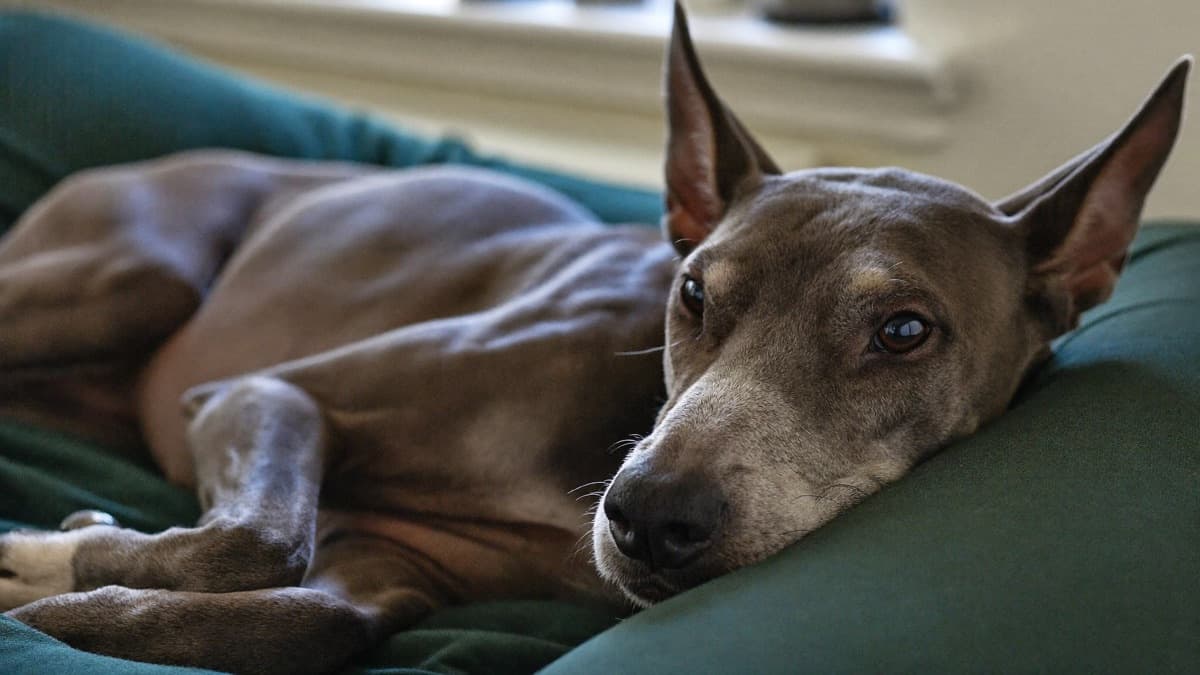
The early signs owners miss
- Hesitating at the car, sofa, or stairs — often read as "getting older" or "being stubborn." It's usually pain.
- Slowing on walks or lagging behind where they used to lead.
- Stiffness after rest that "warms up" out of — worst first thing in the morning or after a nap.
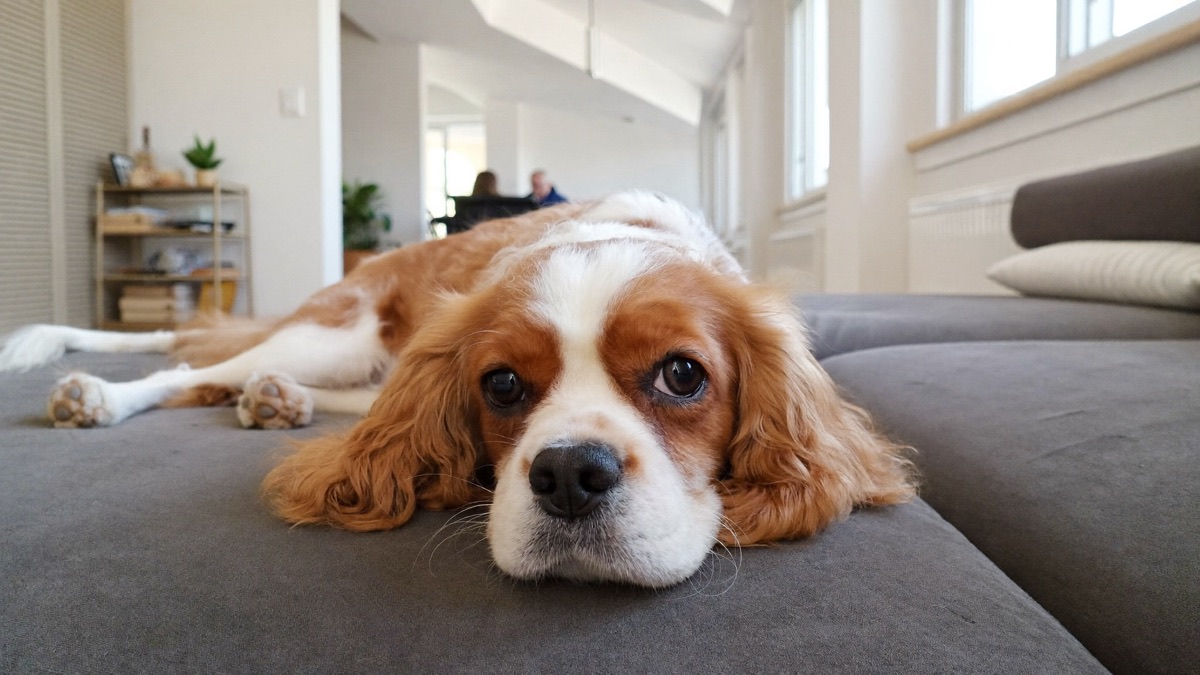
- Repositioning during sleep, restlessness at night, choosing new (softer or cooler) sleeping spots — in our climate that's often the aircon room or bare tile, because cool surfaces soothe sore joints.
- Reduced grooming, or over-grooming one joint — licking a wrist or knee raw is a pain signpost.
- Irritability when touched over the hips, back, or shoulders; new reluctance to be picked up.
- Muscle loss — hindquarters visibly slimmer while the front stays bulky, from shifting weight forward.
Any of these for more than a week or two is worth an exam, not a wait-and-see — the Singapore Veterinary Association lists local clinics if you don't yet have a regular vet.
What the vet will do
Diagnosis is usually an orthopaedic exam plus X-rays to confirm and rule out worse (cruciate rupture, bone cancer in large breeds). Expect the vet to flex each joint feeling for pain response, reduced range, and grinding.
Treatments with real evidence
Arthritis isn't curable, but it's very manageable — and multi-modal treatment beats any single fix:
- Weight control — the most powerful drug you don't need a prescription for. In overweight dogs, weight loss alone measurably reduces lameness. Every excess kilo multiplies joint load.
- Prescription NSAIDs (carprofen, meloxicam, grapiprant) — the backbone of pain control, used with periodic blood monitoring.
- Anti-NGF monoclonal antibody injections (bedinvetmab/Librela) — a monthly injection that has changed outcomes for many dogs, particularly where NSAIDs aren't tolerated.
- Structured exercise — leash walks, swimming, and physiotherapy maintain the muscle that splints the joint. In tropical heat, schedule walks for early morning or after sunset — the shaded NParks park connectors are built for exactly this — and note that canine hydrotherapy pools now operate in Singapore and the Klang Valley. Rest makes arthritis worse.
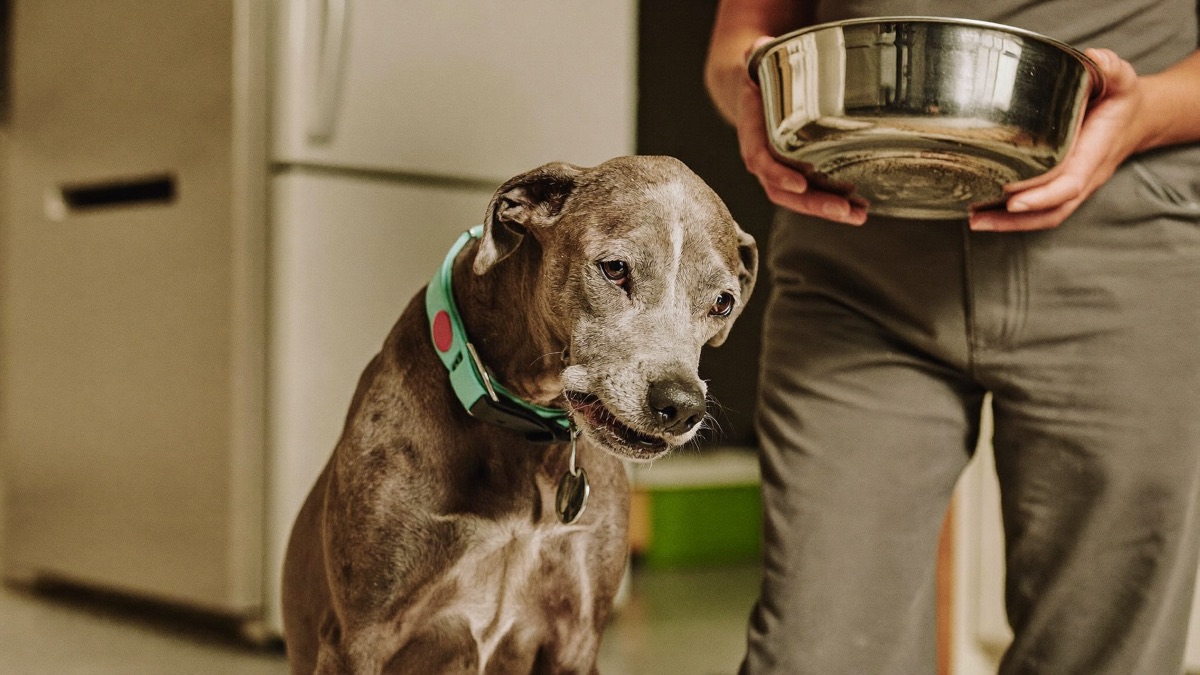
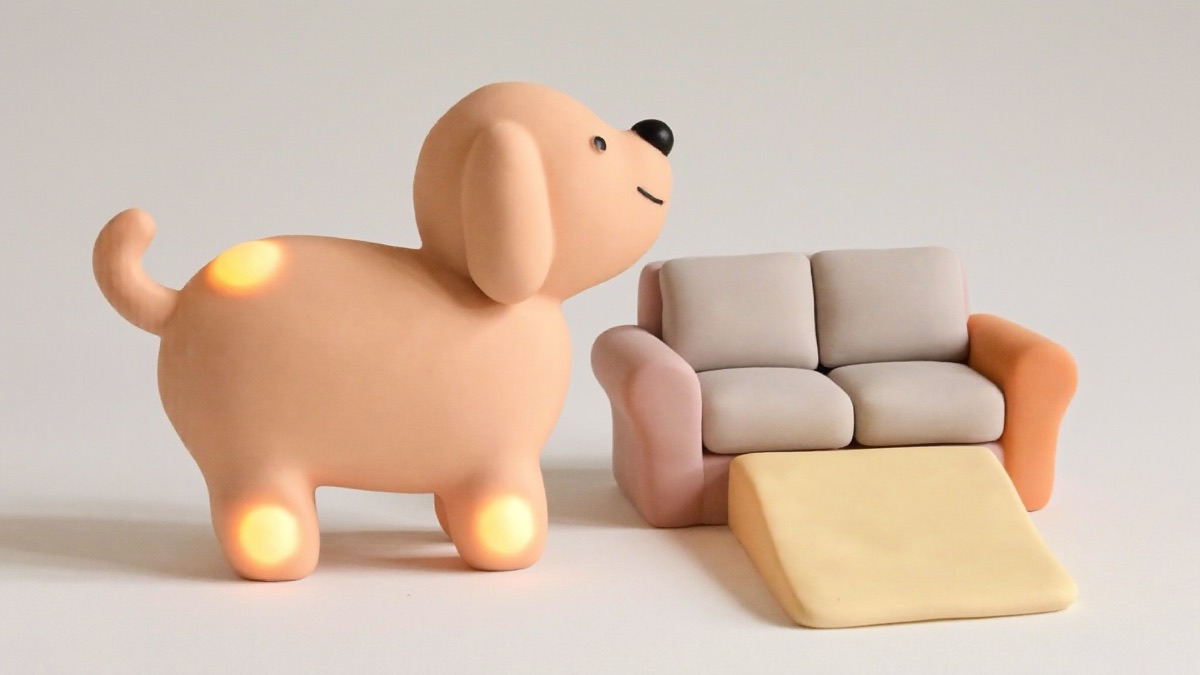
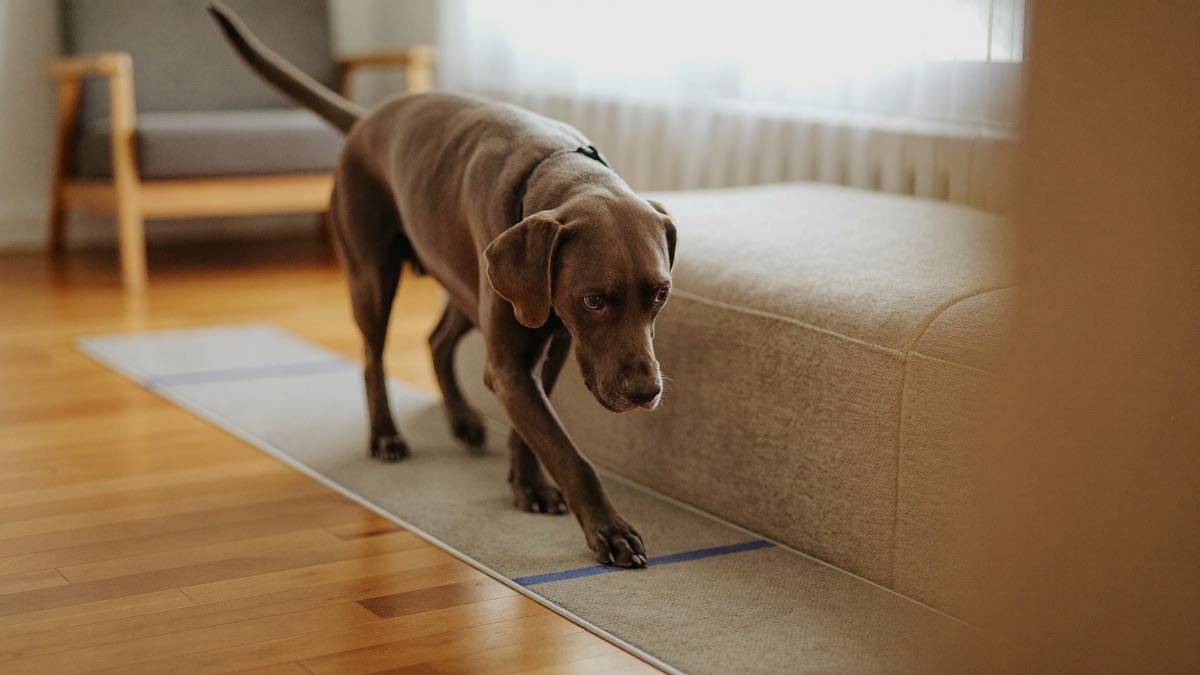
- Environmental fixes — raised bowls, ramps to the car and sofa, rugs or yoga mats over the tile and marble flooring most SG and MY homes have (slippery floors are an arthritic dog's daily enemy), an orthopaedic bed. Cheap and immediately effective.
- Omega-3 (EPA/DHA) supplementation — modest but consistent evidence at proper doses. Evidence for glucosamine/chondroitin is much weaker; treat it as optional, not treatment.
What not to do
Never give human painkillers — ibuprofen and naproxen cause gastric ulcers and kidney failure in dogs at ordinary human doses, and paracetamol dosing errors are a common poisoning. And don't "rest" an arthritic dog into immobility: muscle loss from inactivity is exactly how the disease accelerates.
Arthritic dogs that are diagnosed early, kept lean, and treated multi-modally routinely stay comfortable and mobile for years. The trick is believing the subtle signs the dog is already showing you.