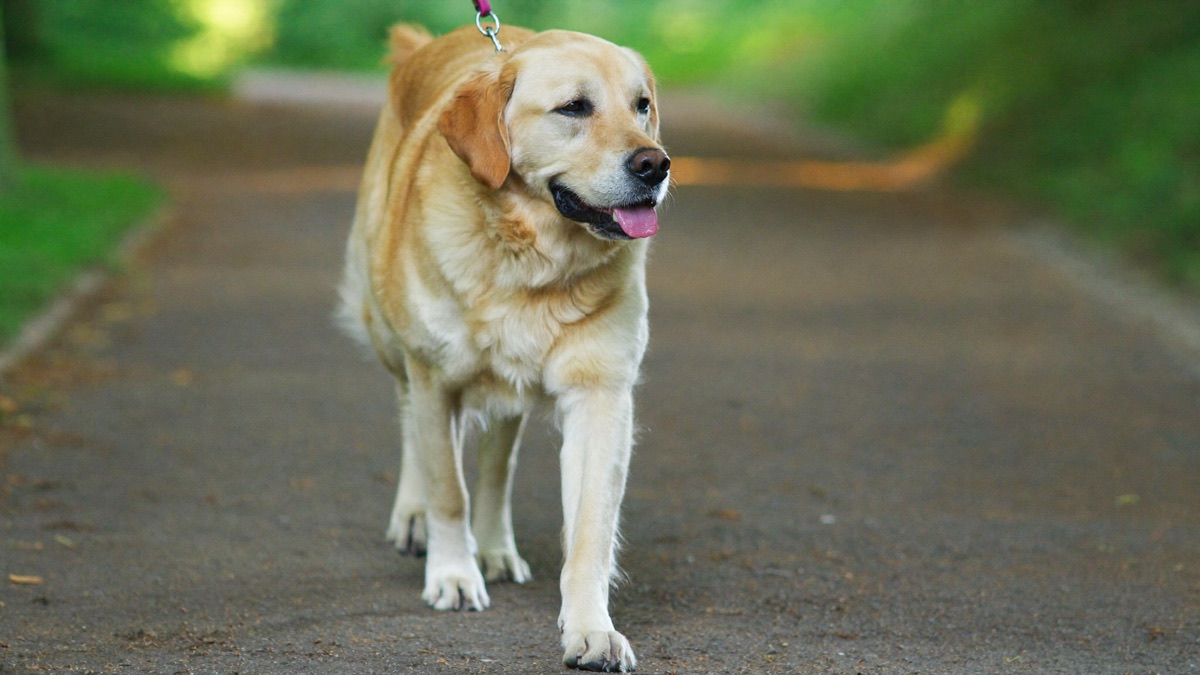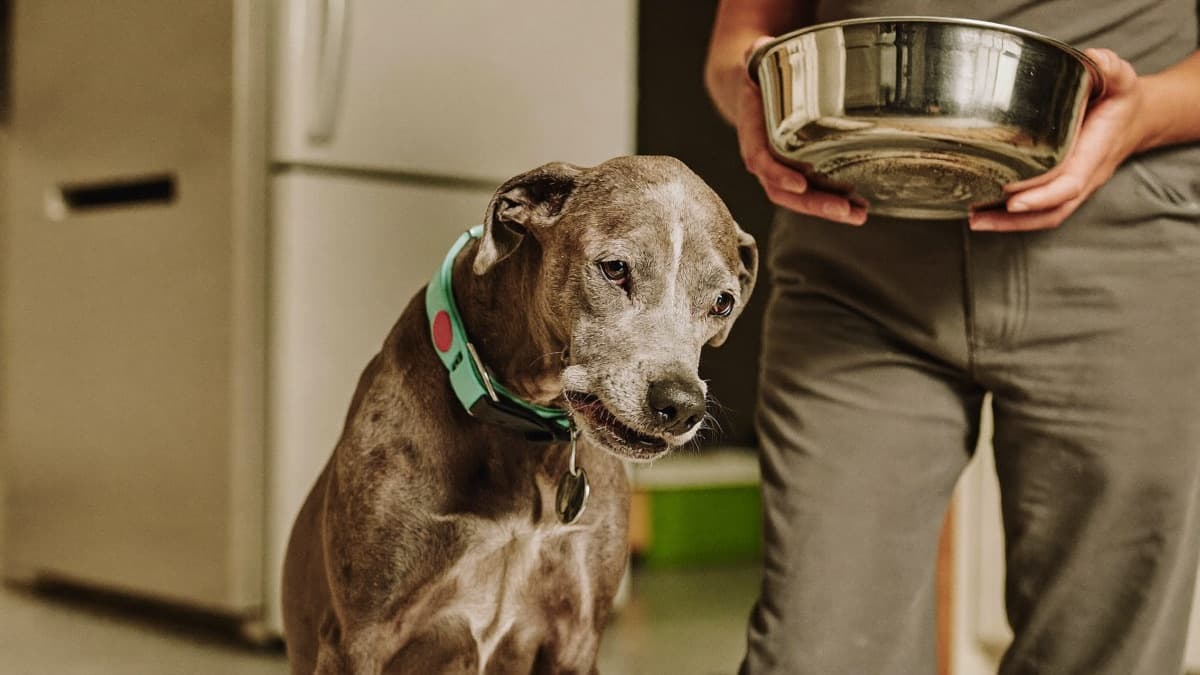
Here's what actually changes, and how to choose without falling for label marketing.
What actually changes in a senior dog's nutrition?
Three things drive most of it: metabolism slows, muscle is harder to keep, and chronic conditions become more common.
Scroll sideways to compare all columns →
| Nutrient | What changes with age | Why |
|---|---|---|
| Calories | Down, often 20% or more | Slower metabolism and less activity make weight gain easy |
| Protein | Up, not down | Older dogs lose muscle (sarcopenia) and use protein less efficiently |
| Omega-3s (EPA/DHA) | Up | Support for arthritic joints, skin, and possibly brain ageing |
| Fibre | Often up | Satiety on fewer calories; helps sluggish senior digestion |
| Phosphorus | Down only if kidney disease is diagnosed | Restriction slows progression of chronic kidney disease |
Extra weight is the enemy here. Every excess kilogram loads arthritic joints and shortens comfortable years, so calorie control does more for most seniors than any premium ingredient.
Do senior dogs need less protein? (No — that advice is outdated)
For decades, owners were told to cut protein in old age to "spare the kidneys." That thinking has been reversed. In healthy senior dogs, restricting protein doesn't protect the kidneys — it accelerates muscle loss, and muscle is exactly what a stiff, slowing dog can least afford to lose. Current guidance is that healthy older dogs need as much or more high-quality, digestible protein than young adults.
Protein restriction becomes appropriate only with certain diagnosed diseases — most notably moderate-to-advanced chronic kidney disease, where a vet will usually prescribe a therapeutic renal diet that carefully limits phosphorus and moderates protein. That's a medical decision made on blood and urine results, not something to guess at from a shelf.
So when comparing senior foods, treat "gentle low protein recipe" as a red flag, not a feature.
How do I choose a senior dog food?
We deliberately don't rank brands — formulas change, and the right choice depends on your dog's weight, teeth, and bloodwork. Judge any candidate against these criteria instead:
- Complete and balanced for adult maintenance (AAFCO or FEDIAF statement on the label) — "senior" claims add nothing legally, so this line is your baseline.
- Named animal protein (chicken, salmon, lamb) high in the ingredient list, with protein at or above a standard adult food.
- Lower calorie density than your dog's current food if they're gaining weight — or higher if they're a senior who's losing weight, which is just as common.
- Added EPA/DHA from fish oil for joints, ideally with stated amounts.
- Controlled phosphorus only if your vet has diagnosed kidney disease — then use a proper renal diet, not a regular senior formula.
- A texture your dog can manage — see the teeth section below.
As of 2026, decent mainstream senior diets in Singapore and Malaysia run roughly S$60–110 (about RM200–380) for a 10–12 kg bag, with therapeutic renal diets costing more. Price and quality correlate loosely at best; the label criteria above matter more than the number. The full framework in our guide to choosing a dog food applies unchanged to seniors.
When should I switch my dog to senior food?
Dogs are generally considered senior in the last 25% of their expected lifespan — which arrives much earlier for big dogs.
| Size | Senior from roughly |
|---|---|
| Large / giant (25 kg+) | 6–7 years |
| Medium (10–25 kg) | 7–8 years |
| Small / toy (under 10 kg) | 9–10 years |
Age alone isn't the trigger, though. Switch when there's a reason: creeping weight gain, muscle loss along the spine, stiff joints, or a diagnosis that calls for a therapeutic diet. A lean, active dog doing well on a good adult food doesn't need to change on their birthday — bring it up at the annual check-up and decide on evidence. Transition over 7–10 days by gradually mixing the new food in, as sudden swaps upset senior stomachs more than young ones.
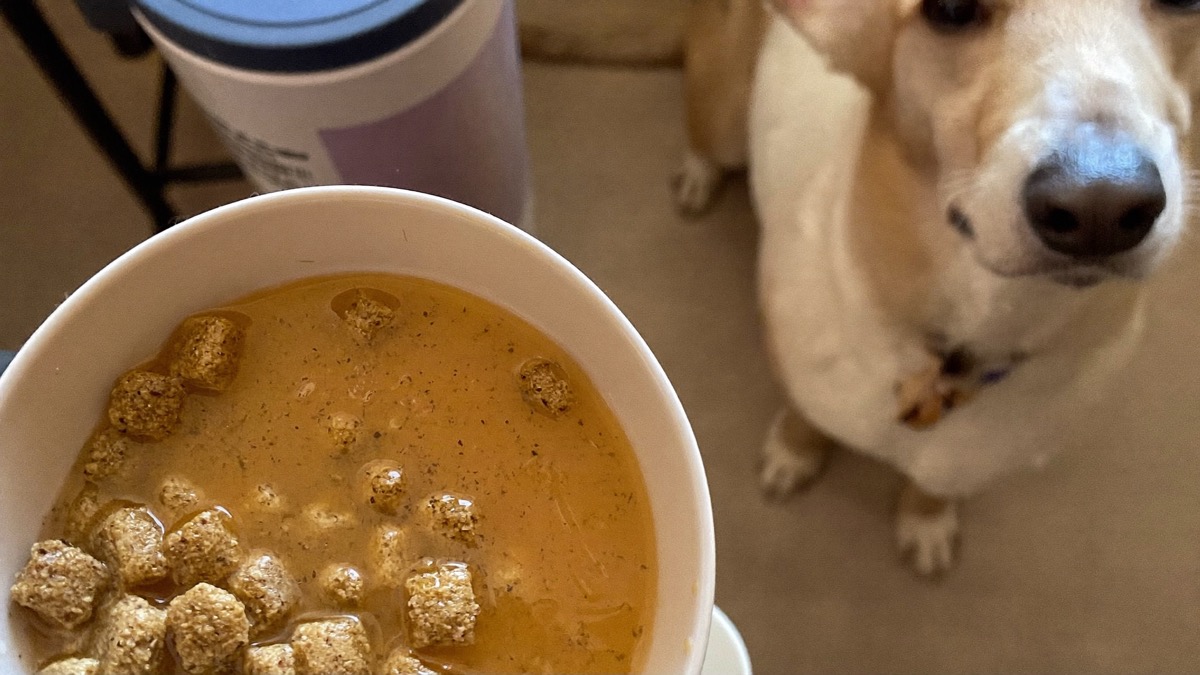
What if my senior dog struggles with kibble?
Dental disease is near-universal in older dogs, and a sore mouth is one of the most common hidden reasons a senior "goes off their food." Easy fixes:
- Soak kibble in warm water or unsalted broth for 5–10 minutes until it yields to a fork.
- Mix in or switch to wet food — it's also useful extra hydration for kidneys.
- Choose smaller kibble sizes designed for small breeds.
Softening food manages the symptom, not the cause. If your dog drops food, chews one-sided, or has breath that clears a room, the mouth needs treatment — our dog dental care guide covers what to expect. A senior dog who eats comfortably keeps weight, muscle, and enthusiasm — and that beats any ingredient on the label.