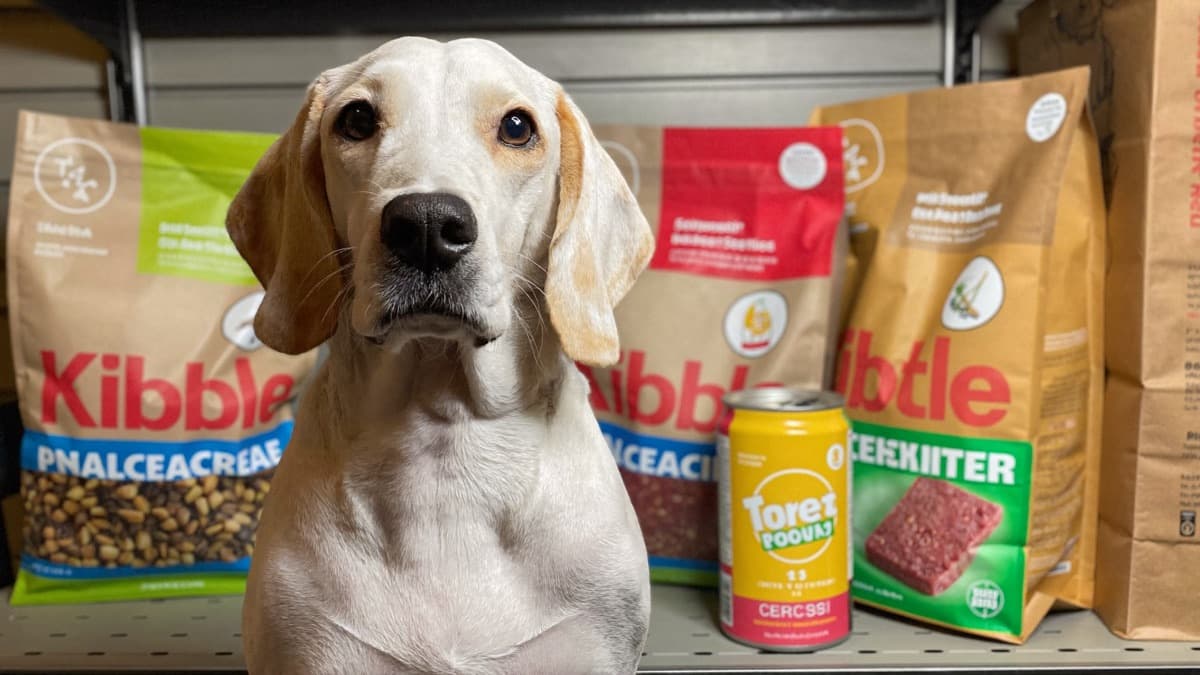
What should I look for on a dog food label?
Ignore the front of the bag — that is advertising. Turn it over and find:
1. The nutritional adequacy statement. The single most important line on any label. Look for wording like "formulated to meet the nutritional levels established by the AAFCO Dog Food Nutrient Profiles" or "complete feed... in accordance with FEDIAF guidelines" (common on European brands sold in SG/MY). This is the legal claim that the food contains every essential nutrient. If a product says "for intermittent or supplemental feeding only", it is not a diet — it's a topper or treat.
2. The life stage. "Growth", "adult maintenance", or "all life stages". Feed puppies a growth or all-life-stages diet; large-breed puppies (over ~25 kg adult weight) need one specifically formulated for large-breed growth, with controlled calcium. "All life stages" food is fine for adults but calorie-dense — watch portions.
3. Who made it, and how. The WSAVA guidelines suggest questions worth asking of any brand: Does it employ a veterinary nutritionist or PhD animal nutritionist? Does it own its factories? Does it run feeding trials or at least full nutrient analysis on finished product? Brands that answer these openly are generally safer bets than brands that lead with "human-grade", "ancestral", or ingredient romance.
What matters less than marketing suggests: whether meat is the first ingredient (ingredient lists are sorted by pre-cooking water weight), "by-products" (organ meat is nutritious), and "no fillers" (a meaningless term). For how pets and veterinary matters are regulated locally, Singapore's Animal & Veterinary Service and Malaysia's Department of Veterinary Services are the national authorities.

Kibble, wet, fresh, or raw — which is best?
- Dry kibble: the most economical complete option, easiest to store and measure. Perfectly adequate nutrition. Its weakness in our climate is storage (below).
- Wet food: same nutrition standards, higher water content — useful for small dogs, poor drinkers, and picky eaters. Costs more per calorie.
- Fresh cooked (commercial): gently cooked, refrigerated diets are increasingly available in Singapore and Malaysia. Fine if — and only if — they carry a complete and balanced statement. Many "fresh" products are toppers in disguise.
- Raw: veterinary bodies including WSAVA advise against raw feeding. Documented risks include Salmonella and other pathogens (a real household concern in tropical heat, and for children or elderly family members), bone injuries, and unbalanced home recipes. No proven nutritional advantage over cooked diets. If you insist, use a commercially complete, pathogen-controlled product and rigorous hygiene.
Grain-free deserves its own caution. The FDA investigated reports of dilated cardiomyopathy (DCM) in dogs eating grain-free, pea- and legume-rich diets. The investigation did not establish a definitive cause, but the practical takeaway from veterinary nutritionists is simple: grain allergies in dogs are rare, grain-free offers no demonstrated benefit, and there is no reason to choose it without a vet-diagnosed need.
How should I store dog food in Singapore and Malaysia's humidity?
Tropical heat and humidity accelerate fat rancidity, vitamin degradation, and mould — including aflatoxin risk in poorly stored product.
- Buy bag sizes you finish within 4–6 weeks of opening.
- Keep food in its original bag (the liner protects fats), rolled tight, inside an airtight container — don't pour kibble loose into a bin that coats itself in old oxidised fat.
- Store cool and dry, away from kitchens and windows; never in a car boot or balcony.
- Wet food: refrigerate opened cans, use within 2–3 days. Fresh diets: follow chill-chain instructions strictly.
- Discard anything smelling sharp or stale — rancid fat is why dogs "suddenly go off" a food.
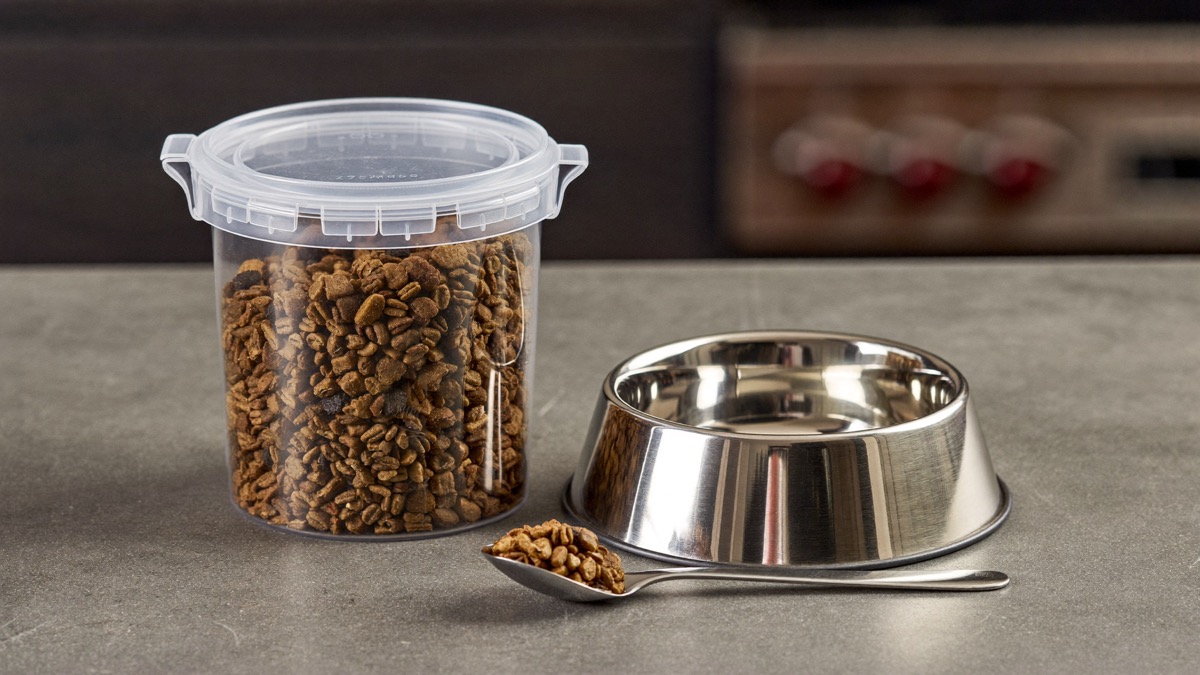
How much should I budget for good dog food?
As of 2026, feeding a 10 kg adult dog complete dry food runs roughly S$30–60 / RM90–200 per month at supermarket and mid-tier price points, S$60–120 / RM200–400 for premium kibble or mixed feeding, and S$150+ / RM500+ for fully fresh commercial diets. Here is the evidence-honest part: no study shows premium-priced diets outperform correctly chosen mid-tier complete diets in healthy dogs. Spending more buys ingredient sourcing and palatability, not proven longevity. A cheaper complete food plus a lean body condition beats an expensive one on an overweight dog, every time — see our feeding amounts guide. When in doubt between two finalists, ask your vet — and switch foods gradually over 7 days. If you're still choosing the dog rather than the food, shelters such as SPCA Selangor can tell you what a prospective adoptee is already eating — the easiest starting diet is the one the dog is doing well on.