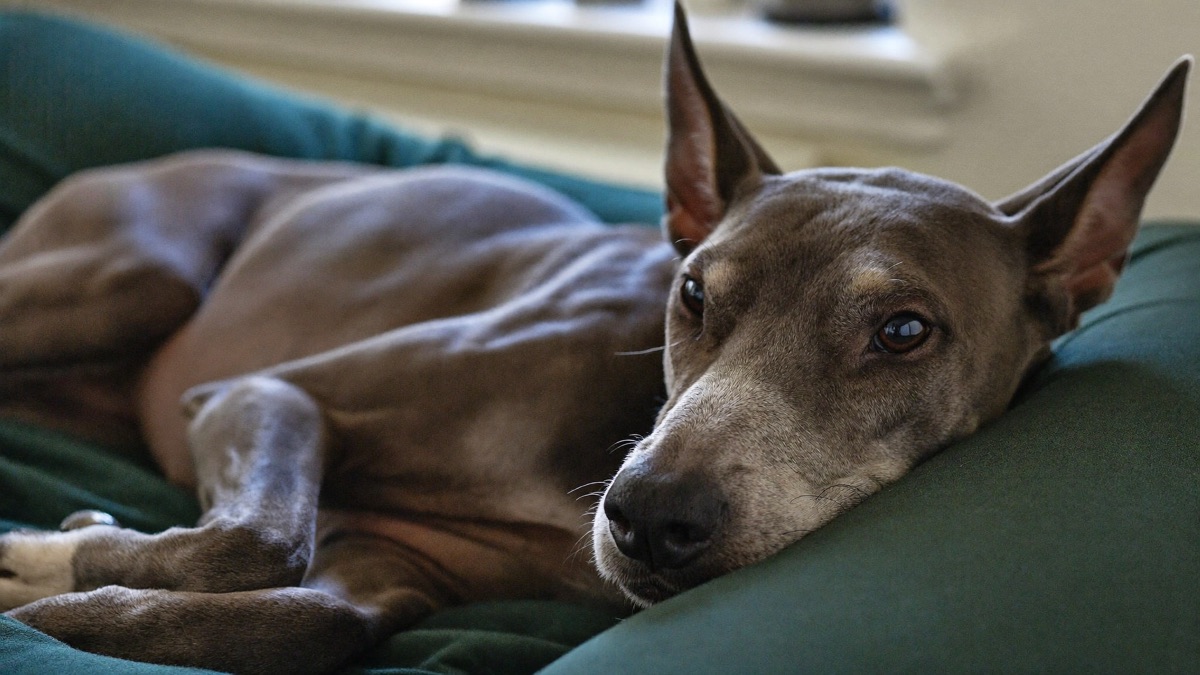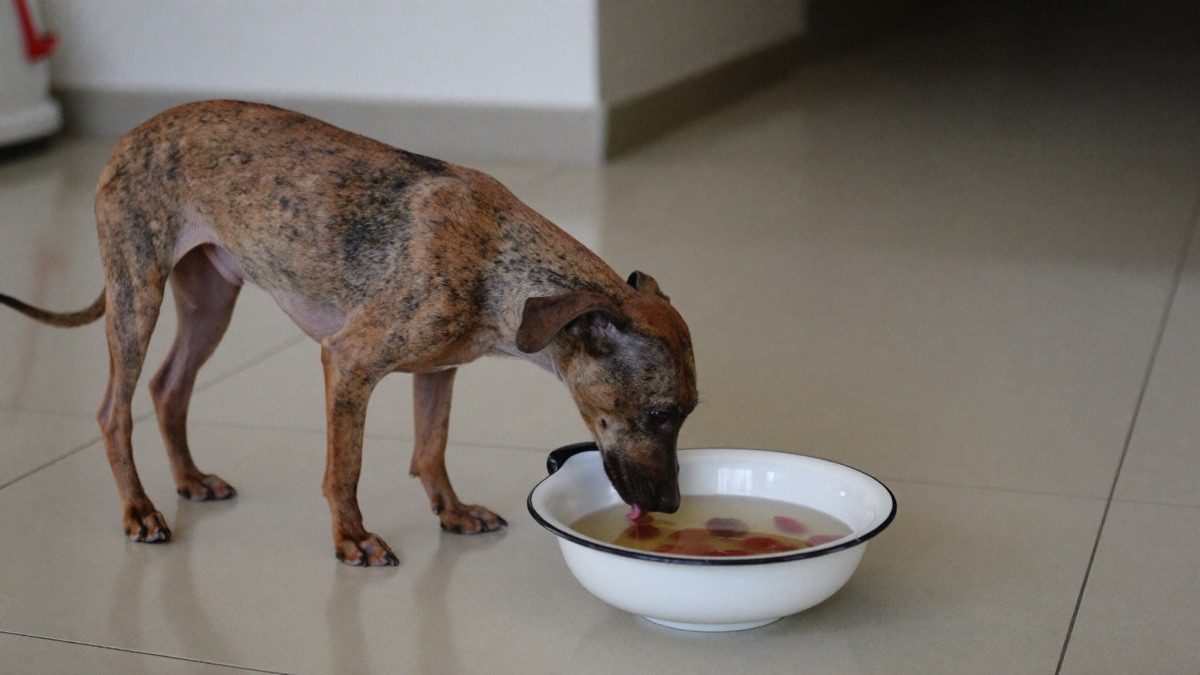
One thing to hold onto: most of these signs, most of the time, are not cancer. They're on this list because they're worth a vet visit either way — and because when cancer is the answer, early is when you still have every option.
What are the 10 early signs owners dismiss?
- A new lump or bump — the most visible sign and the most shrugged-off. Only a needle test can say what a lump is; our dog lumps decision tree covers exactly when and how.
- Unplanned weight loss — a dog eating normally but losing condition is never "just old age." Our guide to old dogs losing weight explains the workup.
- Appetite changes — fussiness in a dog that always cleaned the bowl, or sudden ravenousness, held for more than a week or two.
- Sores that won't heal — a scab or raw patch still there after two to three weeks despite basic care.
- Bleeding or discharge — from the nose, mouth, or any body opening, or blood in urine or stool with no obvious cause.
- A bad odour — persistent foul smell from the mouth, an ear, or a specific spot on the skin that bathing doesn't fix.
- Lameness that shifts or won't settle — especially in large breeds; a limp that moves between legs or ignores rest deserves X-rays.
- Breathing changes — faster breathing at rest, effort you can see in the belly, or a cough that lingers.
- Toileting changes — straining, accidents in a house-trained dog, or repeated unproductive squatting.
- Lethargy — the vaguest sign and often the earliest: flatter on walks, slower to greet you, more sleep than the usual senior amount.
Why does catching it early change so much?
Because early is when the options are still plural. A small skin tumour can often be cured in one short surgery; the same tumour six months later may need bigger surgery, follow-up treatment, or may no longer be removable at all. Early-stage disease means more choices — surgery, medication, radiation where available, or simply informed monitoring — and every one of those choices is cheaper, kinder, and more likely to work than its late-stage version. "Early" is measured in weeks, not days: nobody needs to panic, but nobody gets those weeks back either.
What does a cancer workup involve and cost?
The workup is a staircase, not a cliff — and many dogs step off it early with good news:
Scroll sideways to compare all columns →
| Step | What it answers | Typical cost as of 2026 |
|---|---|---|
| Exam + blood and urine tests | Overall health, organ function, clues | S$150–350 (RM450–1,100) |
| Fine-needle aspirate of a lump | What the lump actually is | S$80–200 (RM100–300) |
| X-rays or ultrasound | Anything internal, spread check | S$200–600 (RM300–1,000) |
| Biopsy (if still needed) | The definitive answer | Varies — your vet will quote |
Prices vary by clinic and city; treat these as planning ranges, not quotes. The point of the table is the shape of it: the first steps — the ones that catch most problems — are the affordable ones.
Which dogs need extra vigilance?
All seniors — and some breeds sooner. The golden retriever carries the heaviest documented burden: studies suggest more than half of goldens ultimately die of cancer, with haemangiosarcoma and lymphoma striking from middle age, not just old age. For golden owners, pale gums, a swollen belly, or sudden weakness are same-day signs; for every breed, the twice-yearly senior exam exists precisely to catch what this list describes before you'd notice it at home.
What should I actually do with this list?
Not live in fear of it. Run your hands over your dog monthly, weigh them monthly, and treat any sign on this list that persists past a week or two as a booking, not a worry to sit with. Most visits end in reassurance. The few that don't will have started at the earliest, most treatable moment — which is the entire point, and something a worried owner can genuinely be proud of.