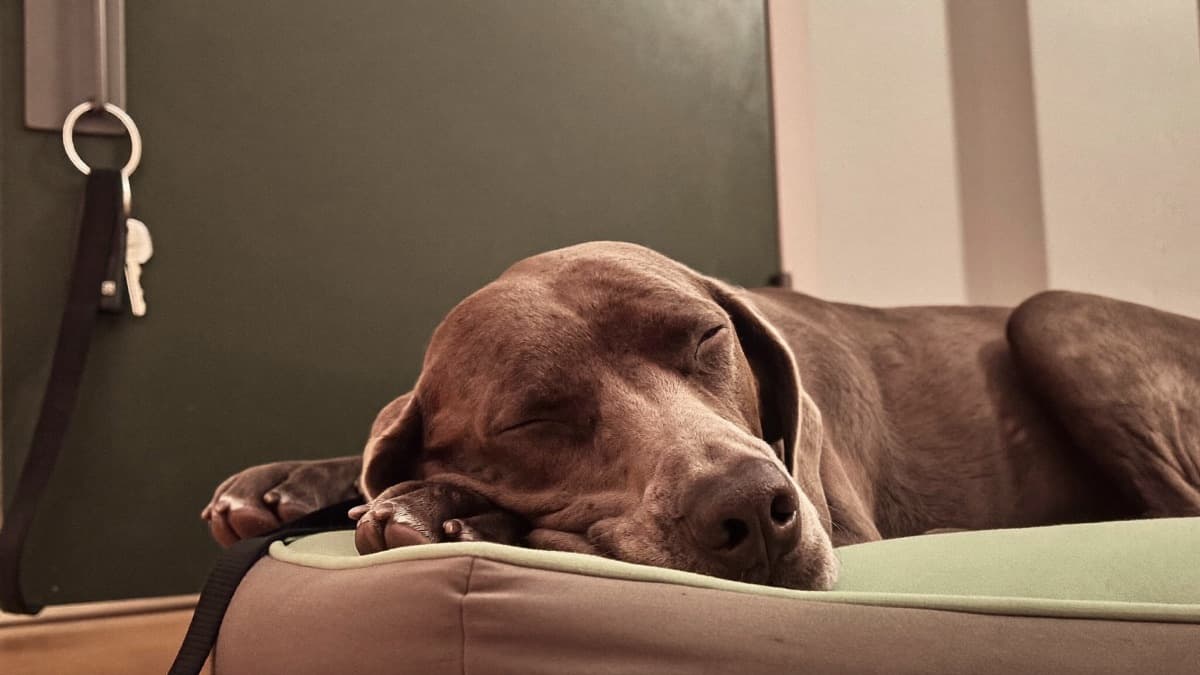
What are the signs my old dog is going deaf?
- Not greeting you at the door anymore. Often the first sign anyone notices — the dog isn't aloof, it just never heard the key.
- Startling when touched while asleep or approached from behind, sometimes with a snap they've never shown before. That's not aggression; it's shock.
- Sleeping through things that used to trigger instant alert: the doorbell, the lift, the food cupboard.
- "Selective" hearing — responds when facing you, ignores you from behind. High tones go first, so a clap may still land while the name doesn't.
- Barking more, or louder — some dogs vocalise more as their own volume feedback fades; others go quieter.
- Harder to wake, harder to recall, and confused head-turning when trying to locate a sound.
One caution before you file it under ageing: a dog with a wax-blocked or chronically infected canal presents exactly the same way, and that version is fixable. Check for head-shaking, odour, or redness — our dog ear infection guide covers what to look for — and have the vet look down the canal before concluding it's permanent. If the "deafness" comes with night pacing and confusion, read up on dog dementia too, since the two are often mistaken for each other.
How do I do the clap test fairly?
Most home hearing tests are accidentally rigged: the dog feels floor vibration, sees a shadow, catches air movement, or smells you — then "passes". A fair test removes every non-sound channel:
- Wait until the dog is awake but relaxed, facing away from you.
- Stand well back — several metres — so your steps don't telegraph through the floor. Tile and concrete transmit vibration; test from another room's doorway if you can.
- Make one sharp sound the dog can't see coming: a single clap, keys jingled, a squeaky toy. Don't stamp, and don't clap so close the dog feels the air.
- Watch for an ear flick, head turn, or waking — not necessarily a full response.
- Test a range: a clap (mid), a squeak (high), a knock on wood (low). Seniors typically lose high frequencies first, so "hears the clap but not the squeak" is an answer, not a pass.
Repeat on a different day before drawing conclusions, and let the vet confirm — hearing rarely fails evenly or overnight.
How do I retrain communication with hand signals?
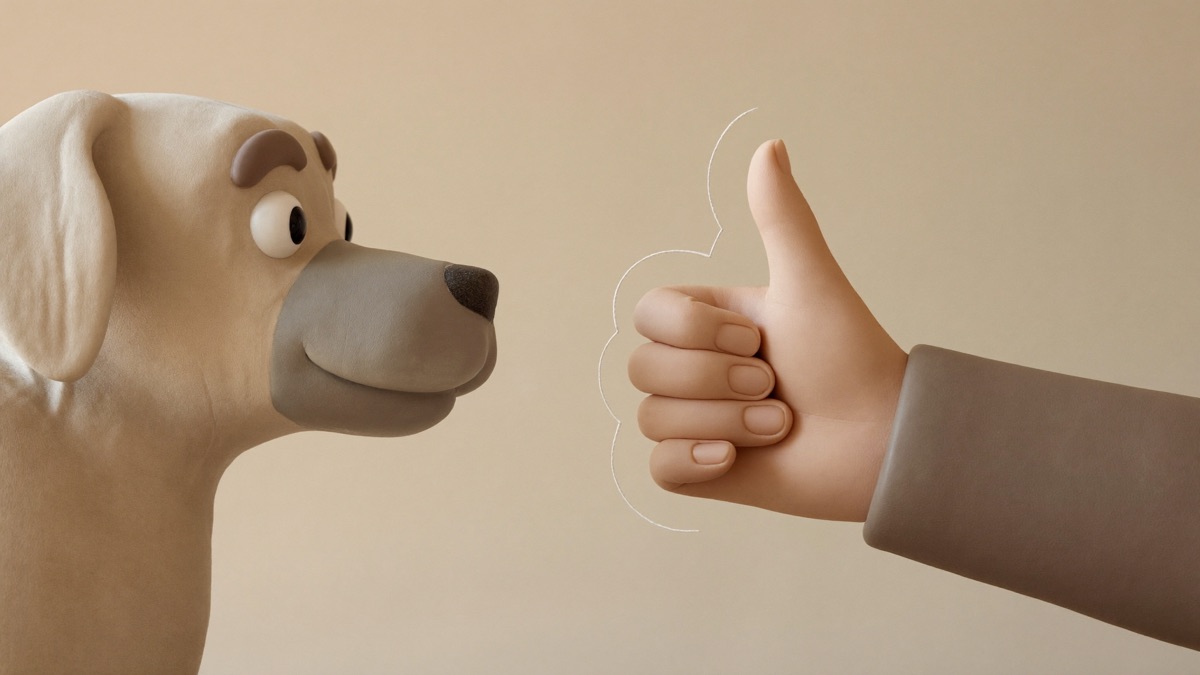
Here's the tip that matters most, and it's for owners of hearing seniors: teach hand signals now, while the ears still work. Pair every verbal cue with a visual one — flat palm for "stay", palm up for "sit", both arms wide for "come", a thumbs-up as your marker meaning "yes, treat coming" in place of a clicker. Dogs read body language natively; if the signals are installed early, the day the sound fades the conversation simply continues. Teaching a new signal to an already-deaf dog works too, it just takes longer — the method is ordinary basic command training with the voice deleted: signal, lure, reward.
For getting attention without sound:
- Vibration, not volume. A firm stomp on the floor travels through tile and timber alike; most deaf dogs learn "stomp means look at me" within days.
- Light as a doorbell. Flick the room light on-off to call the dog in from the balcony or another room at night.
- Touch protocol for waking. Never grab a sleeping deaf dog. Touch the same spot gently every time — a shoulder — or let your hand's scent drift near the nose first, so waking is predictable instead of startling. Brief the whole household, especially children.
What safety changes does a deaf dog need?
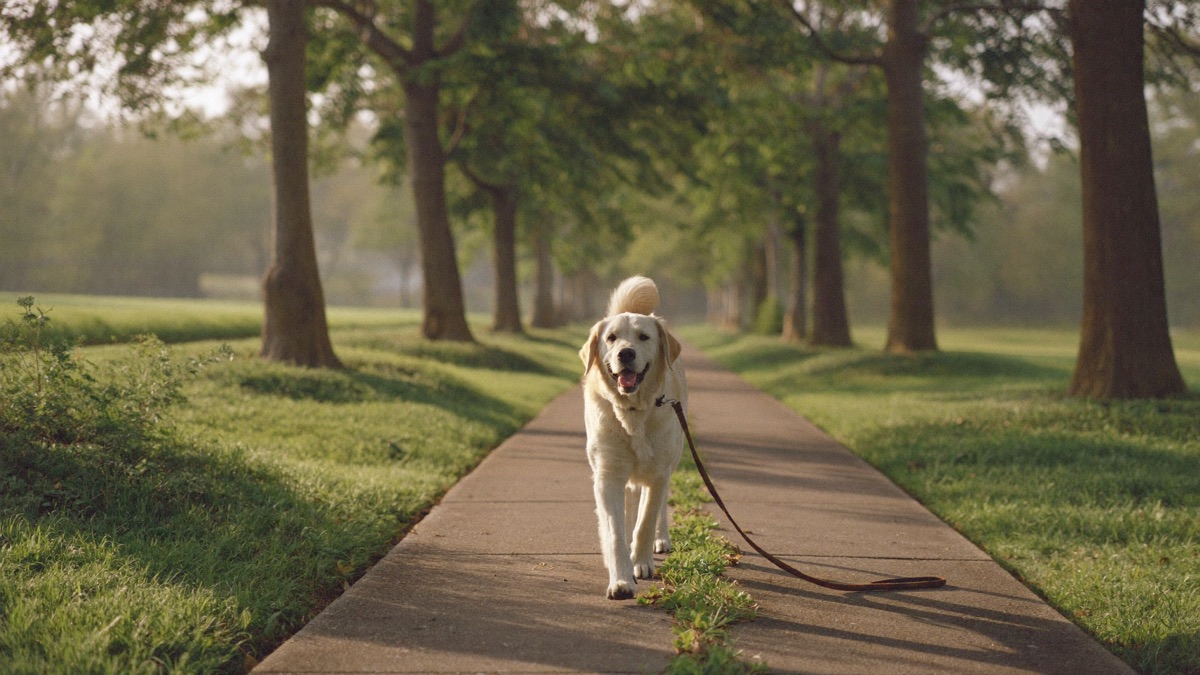
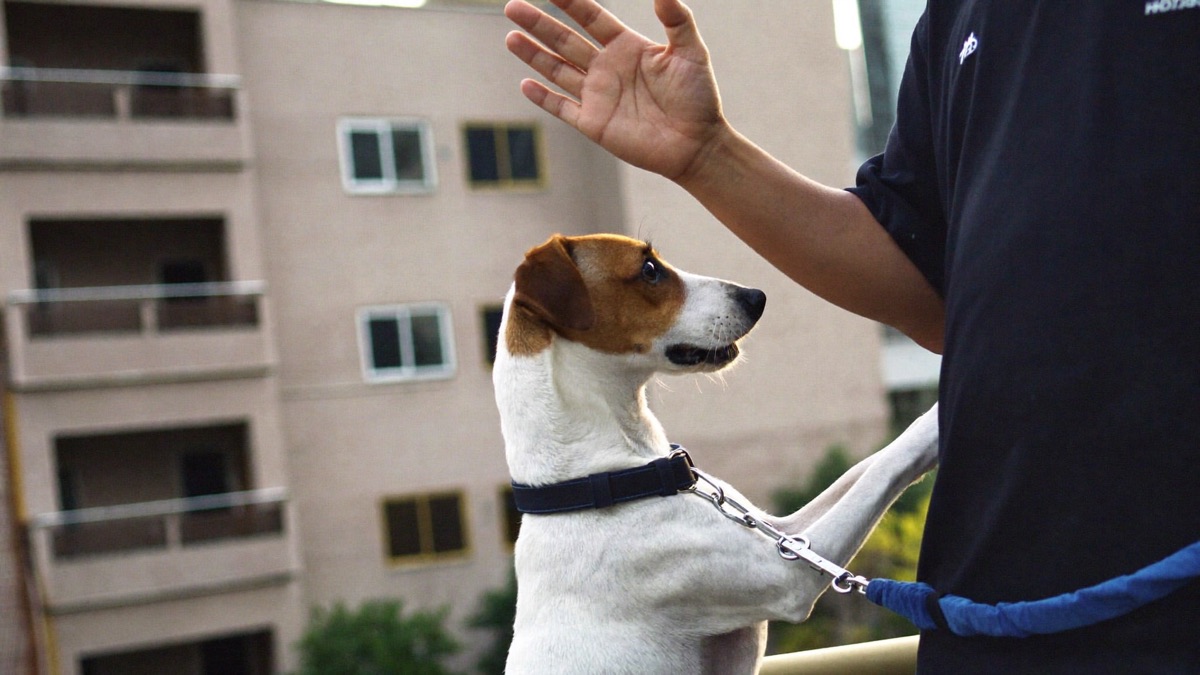
Off-leash time is over, permanently — recall by voice is gone, and so is hearing the bicycle, the e-scooter, or the car. Leash on for every walk, including the void deck and the driveway, and let sniffing do the enriching. A tag reading "I'm deaf" plus your number covers the day the gate is left open. At home, gate any road-facing exit, and use fenced dog runs when you want to give them a proper off-leash sniff. None of this shrinks a deaf dog's life; a senior who sleeps soundly through thunderstorms and fireworks has, in one respect, traded up.