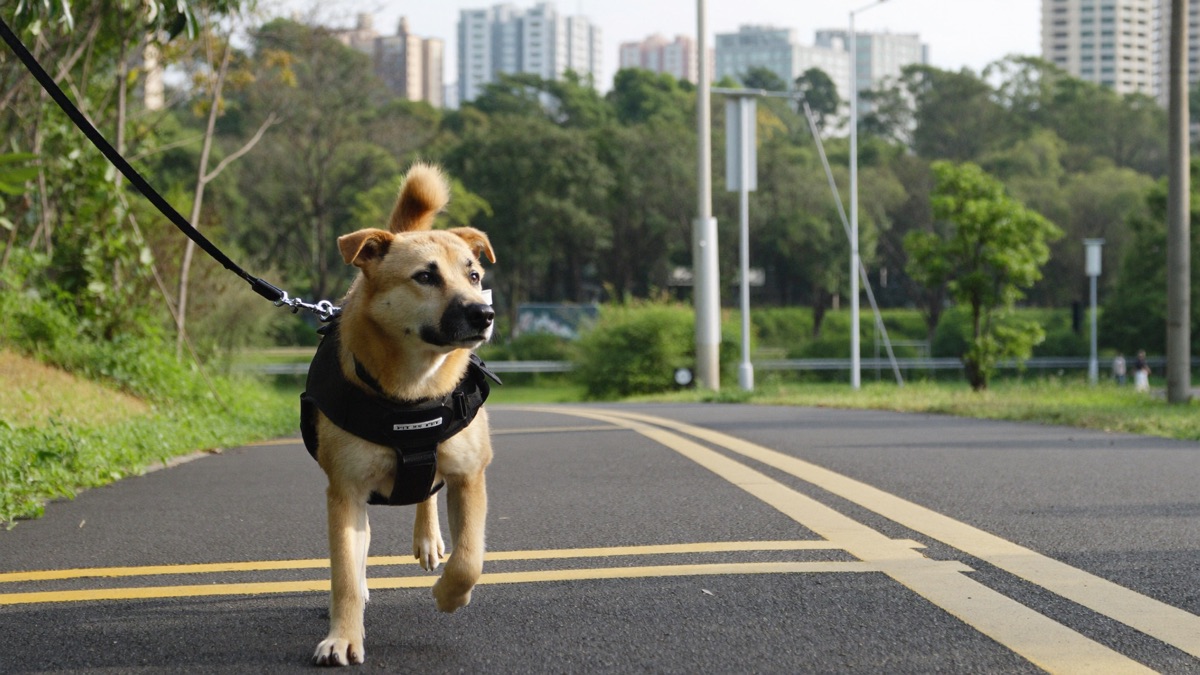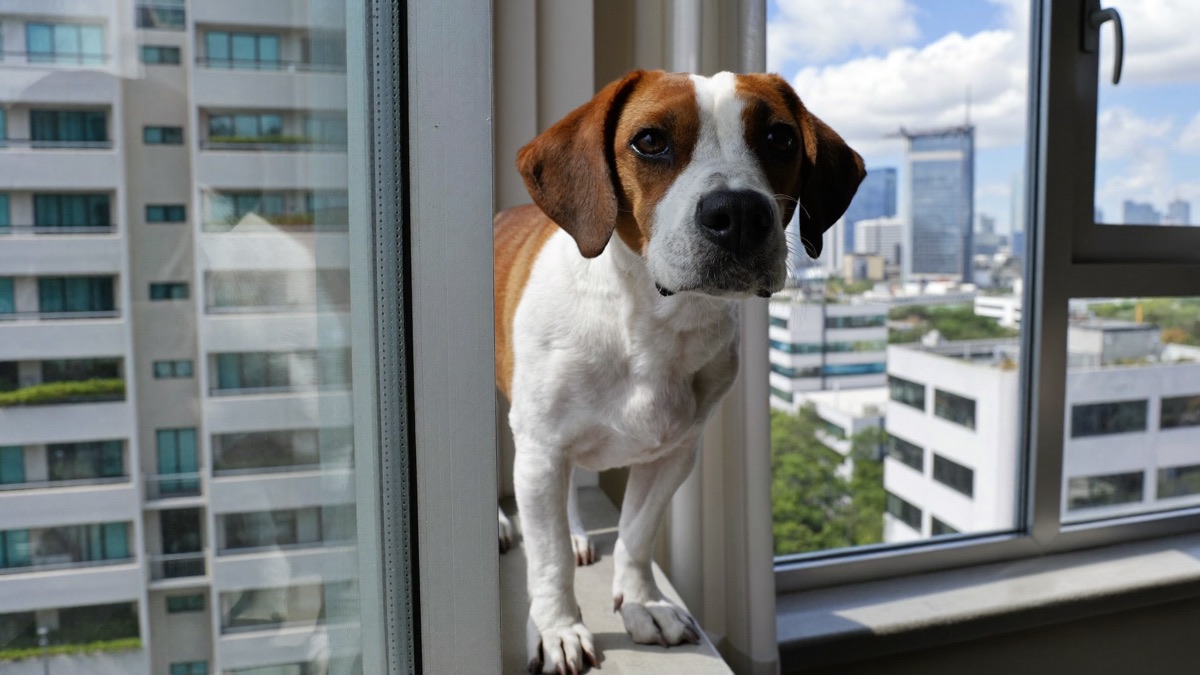
Did I really teach my dog to bark at me?
Almost certainly, and it's nothing to be embarrassed about — it's how learning works. At some point your dog barked near the treat cupboard and got a biscuit, barked at the lead hook and got a walk, or barked during dinner and got a scrap "just to stop the noise". Each pay-out was a lesson: barking makes humans dispense things. Dogs repeat what works, and demand barking works brilliantly right up until the day you decide it doesn't.
The honesty matters because it points at the fix. This barking isn't anxiety, territory, or boredom — it's a trained behaviour with a reinforcement history, which means you can retire it by changing what gets reinforced. If you're not sure this is your barking type, the six-type table in how to stop dog barking will settle it: demand barking is the one directed at you, that escalates until you respond.
How do I stop demand barking?
Ignoring alone is slow and miserable. The faster combination is extinction plus an alternative behaviour: the old strategy earns nothing while a new strategy earns everything.
When the barking starts: become a statue. No eye contact, no talking — "no" and "stop" are still attention — no touching, no sighing theatrically. If the dog is barking for something specific (your dinner, the toy in your hand), the item visibly goes away: plate lifted, toy behind your back. Turn your body away. The transaction is void.
The instant there's quiet: don't reward the silence immediately after a bark — that builds a bark-then-pause chain. Wait for two or three seconds of quiet, or better, cue a sit, and then pay warmly with the very thing the dog wanted, when it's something reasonable. Over days, stop cueing and wait for the dog to offer the sit on its own. That's the goal state: your dog wants something, and its opening move is a polite sit and eye contact instead of noise.
Pre-empt the peak times. If the barking reliably fires at your dinner time or during evening TV, get ahead of it: a stuffed Kong, snuffle mat, or chew before the barking starts means the quiet behaviour gets rehearsed instead of the loud one.
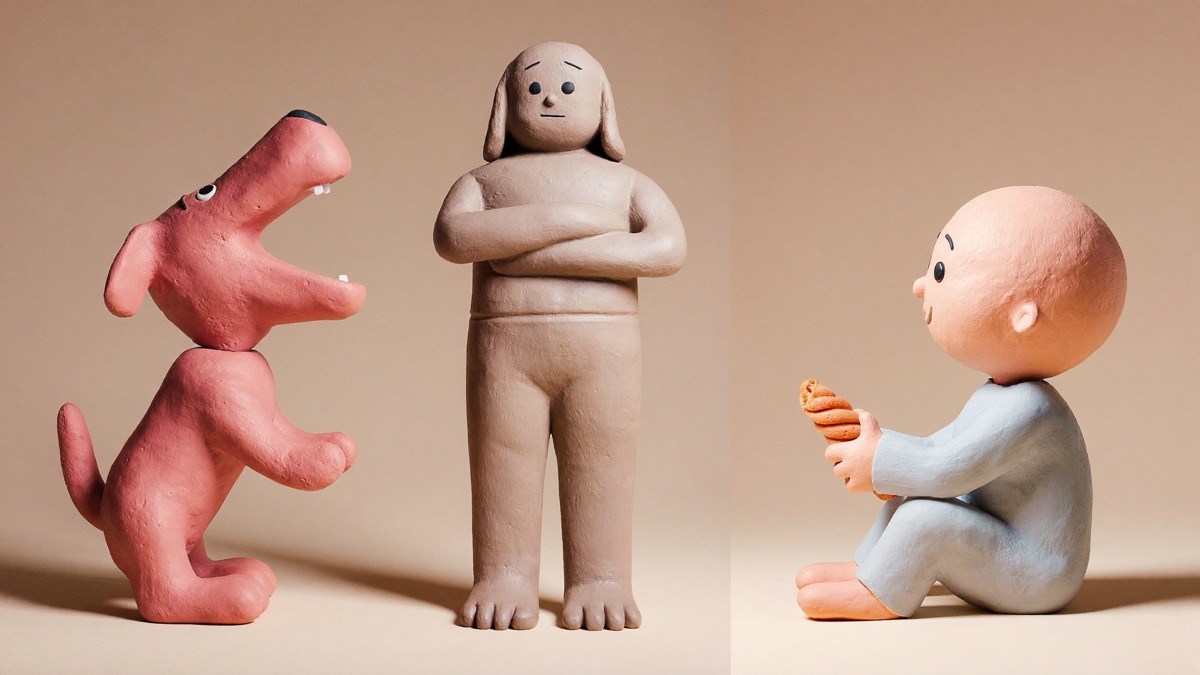
Why is the barking getting louder?
Because you've stopped paying, and your dog is doing exactly what you do to a lift button that doesn't respond: pressing harder, faster, and longer before concluding it's broken. This is the extinction burst, and it is the make-or-break moment of the whole plan. The barking will get louder, more insistent, and sometimes acquire new flourishes — a paw slap, a spin, a sharper pitch — for several days. This is evidence the plan is working: the dog has noticed the rules changed and is testing whether the old ones still apply.
Hold the line. If anyone gives in at minute four of a burst, you haven't paused the training — you've taught the dog that four minutes of loud barking is the new price of a biscuit, and made the behaviour more persistent than before. Plan for the burst: start the programme in a week without visitors, warn the neighbours if you share a wall (our apartment barking guide covers keeping them onside), and stock the freezer with stuffed Kongs for the peak evenings.
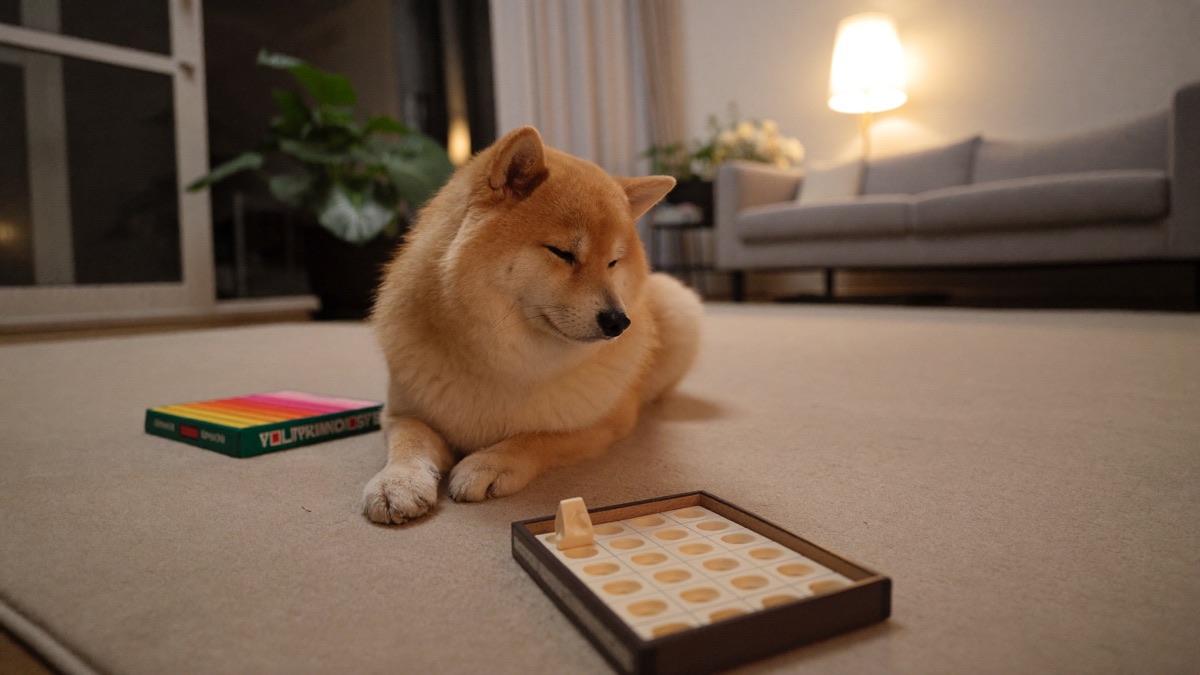
Why does it only work for one person in the house?
Because dogs are excellent economists. If barking earns nothing from you but reliably produces toast crusts from a soft-hearted family member, the behaviour isn't being extinguished — it's being put on a variable schedule, which is the most persistent reinforcement pattern there is. That's the same maths that keeps people at slot machines. One person feeding the bark keeps it alive for everyone.
Fix it with a family meeting, not a lecture: agree the two rules (barking earns nothing; quiet sit earns everything), write them on the fridge, and give the soft-hearted member a legitimate job — they can be the designated payer of quiet sits, which scratches the same itch. Helpers and grandparents count too. Consistency, not talent, is what finishes this training; most households that truly hold the line see demand barking collapse within two to three weeks. If barking persists everywhere and at everything despite genuine consistency, re-check the type — boredom and anxiety barking wear demand barking's clothes when a dog's daily exercise baseline is too low.