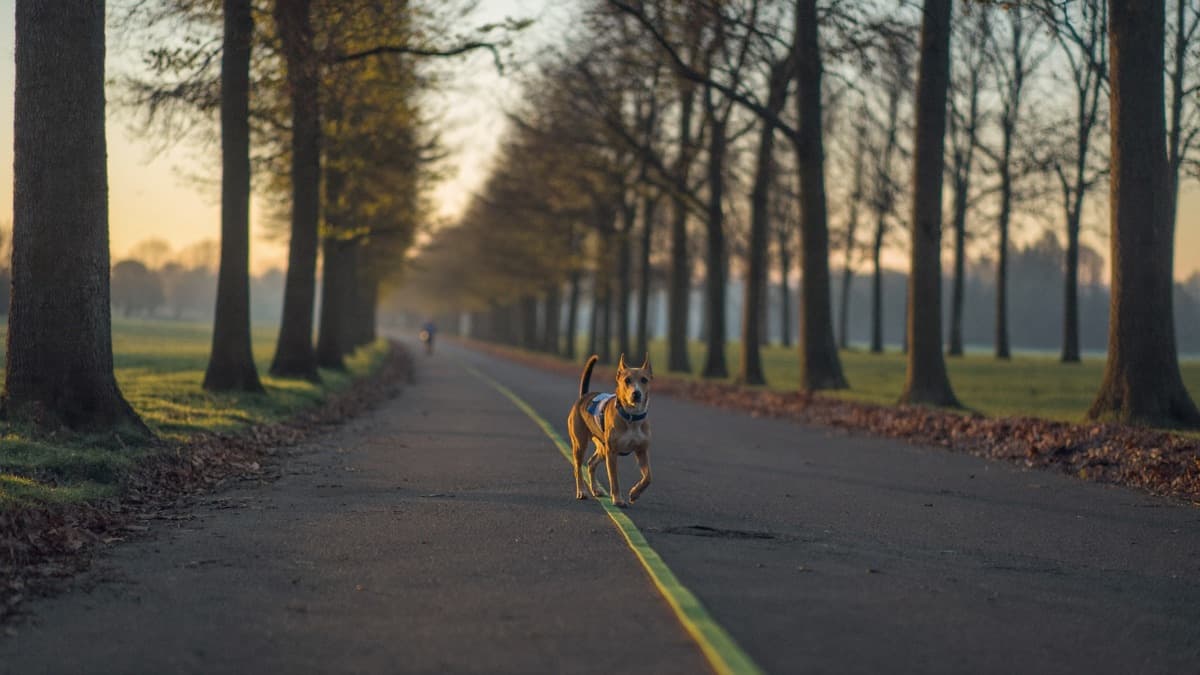
How often and how long, by age and type?
Scroll sideways to compare all columns →
| Dog | Outings per day | Total daily walk time | Notes |
|---|---|---|---|
| Puppy (post-vaccination) | 3–4 short | 5 min per month of age, up to 2× daily | Growth plates open — no forced long walks |
| Small low-energy (shih tzu, maltese, cavalier) | 2 | 20–40 min | Happy with short loops plus indoor play |
| Small high-energy (toy poodle, jack russell) | 2–3 | 40–60 min | Add training games or the brain outpaces the legs |
| Medium active (Singapore Special, beagle) | 2 | 45–75 min | One walk should be sniff-focused |
| Working/high-drive (border collie, husky) | 2–3 | 90 min+ plus a job | Walks alone will not be enough |
| Flat-faced (frenchie, pug) | 2 short | 15–30 min | Dawn/dusk only, watch breathing constantly |
| Senior (7–8+ yrs) | 2–3 short | 20–40 min gentle | Frequency up, intensity down; arthritis loves consistency |
Adjust to the individual: a dog that comes home and settles is getting enough; a dog that paces, barks and raids the bin probably isn't.
Why does timing beat duration here?
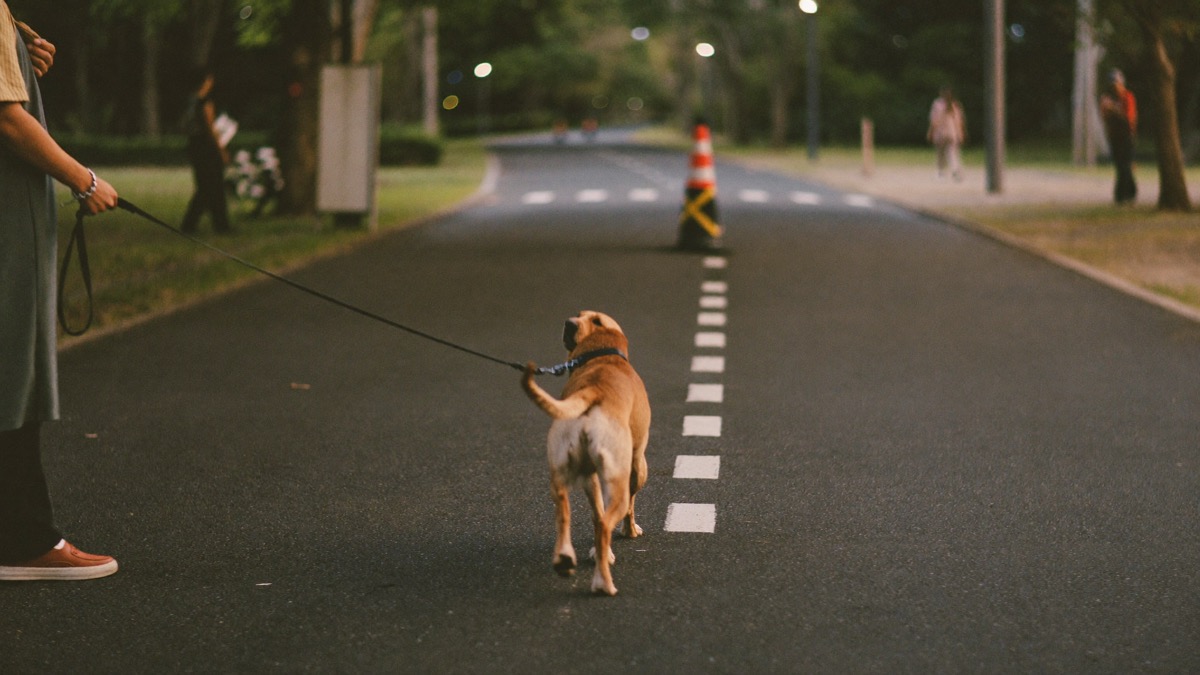
Because the limiting factor in the tropics isn't your dog's fitness — it's heat. Dogs shed heat almost entirely by panting, which fails exactly when it's hot and humid, which is here, most of the day, all year. Walk before 8am or after 7pm and the same route is a different activity: safe, comfortable, and long enough to actually tire the dog.
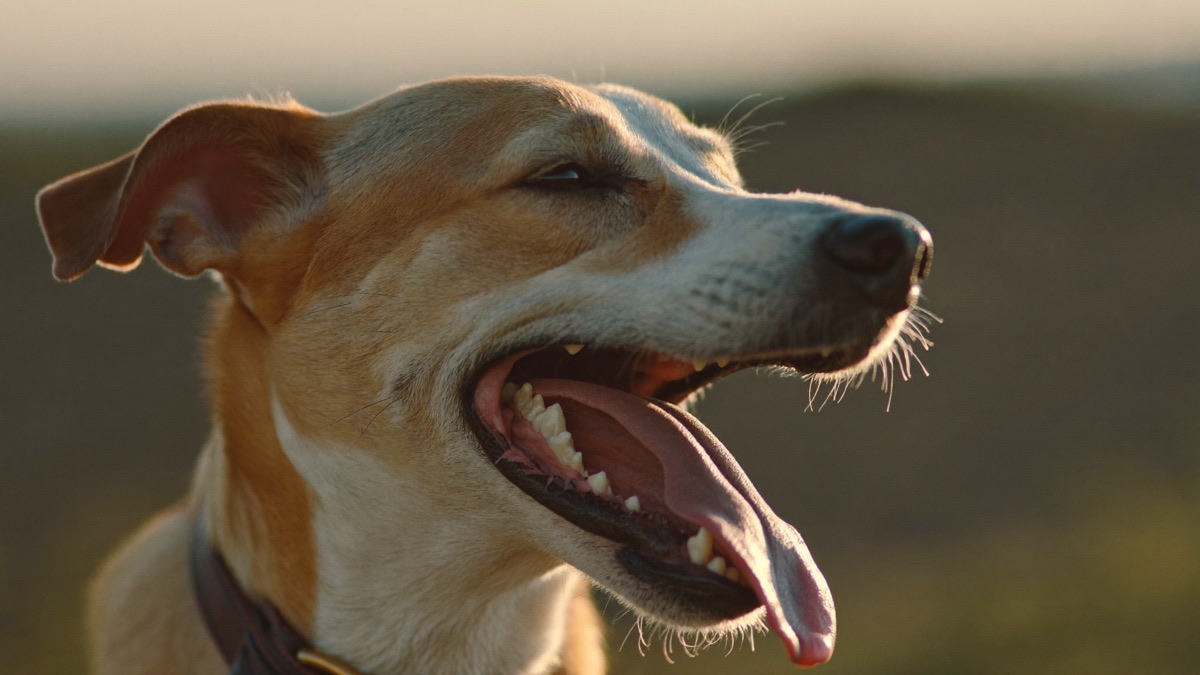
Always run the pavement test in between: back of your hand on the tarmac for seven seconds. If it's uncomfortable, it will burn paw pads — asphalt in direct sun here can exceed 50°C hours after the air feels "okay". Shade, grass verges and park connectors buy you margin; a dog slowing down, seeking every shadow, or panting with a wide flattened tongue is telling you the walk is over. If that escalates, treat it as heatstroke until proven otherwise.
Do sniffing walks really count double?
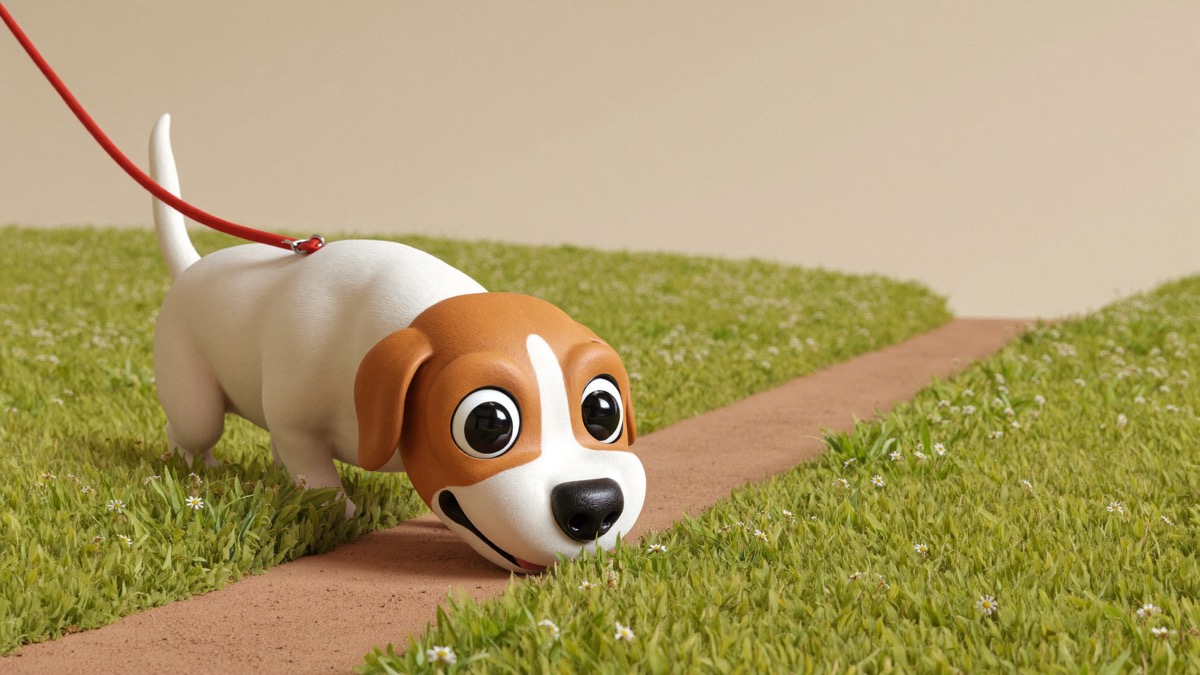
Effectively, yes. A dog's nose is its primary sense, and decoding scent is heavy cognitive work. Studies of "sniffaris" — slow walks where the dog chooses the route and reads every lamppost — show they lower pulse rates and arousal, while brisk leash-marching can do the opposite. Practically: make one walk a day a loose-leash sniff walk and you get double mental value from the same 20 tropical-safe minutes. This is the cheat code for apartment dogs that bark or won't settle, and it pairs well with fixing leash pulling — a dog allowed to sniff pulls less.
Where can you walk, and what are the rules?
Singapore's park connector network is the great equaliser — shaded, continuous, and built for exactly this. Dogs must be leashed in public at all times (fines apply), pick-up is mandatory, and dogs are barred from nature reserves and most reservoir parks to protect wildlife; off-leash time belongs in fenced dog runs. Check pet-friendly parks, connectors and dog runs on NParks' pets page. In Malaysia, rules vary by city council — many KL and Selangor parks restrict dogs, so verify signage; Desa ParkCity remains the reliable dog-friendly default.
What about the daily thunderstorm?
Rain is not a walk waiver — but it doesn't have to be. On storm days, swap one walk for 15 minutes of indoor work that taxes the nose and brain: scatter-feeding kibble across towels, a snuffle mat, hide-and-seek with a family member, or two short training sessions. A covered void deck or multi-storey car park ramp gives you a dry toilet loop. What you can't do is skip the outing and the substitute — dogs don't bank rest days, they spend them on your furniture.
What happens when a dog is chronically under-walked?
Under-walking rarely looks like a sad dog lying quietly. It looks like a "problem dog": barking at every corridor sound, destroyed slippers, tail-chasing, leash explosions when they finally do go out (over-arousal from scarcity), weight gain, and in time, arthritis arriving early on unconditioned joints. Most of the behaviour complaints we see in flat-dwelling dogs improve within two weeks of a boring, consistent walk routine — same times daily, one sniff walk, timed around the heat. Costs nothing, as of 2026 or any other year.