Why is my dog scared of the groomer?
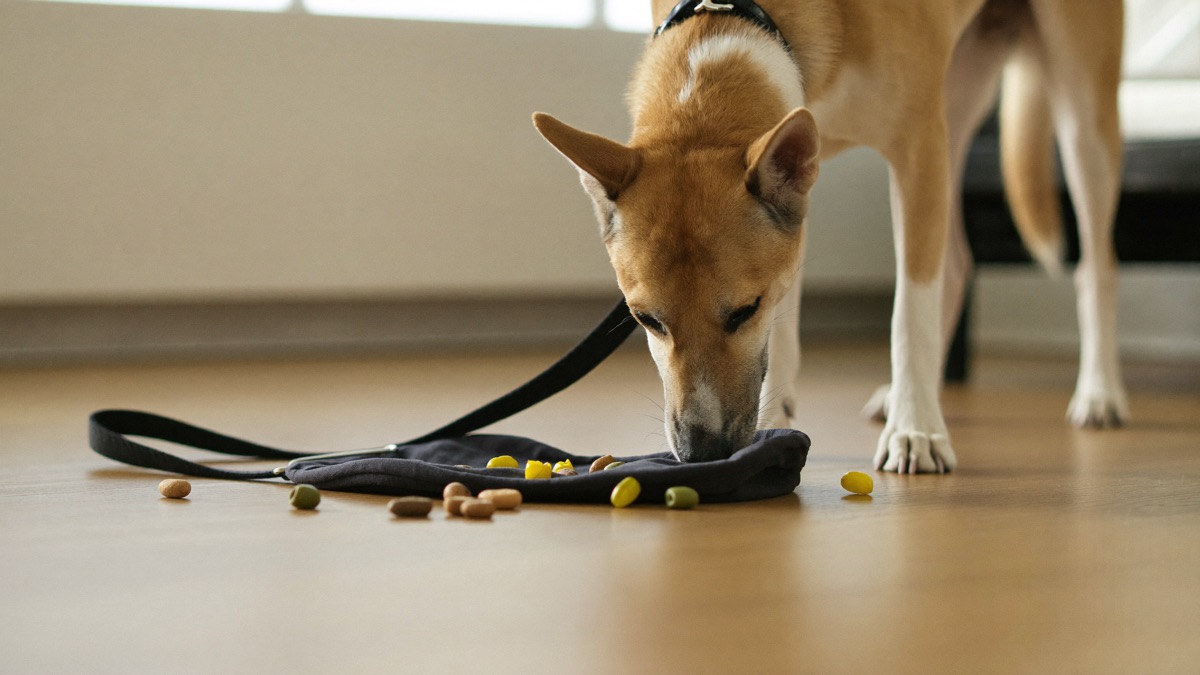
Because a grooming session is a double whammy the dog never agreed to. The high-velocity dryer is the loudest thing most dogs ever hear at close range, the clippers vibrate directly against the skin, and while both are running the dog is held still on a raised table by someone it barely knows — so its only options, moving away or asking for a break, are removed. A dog that can't escape a thing it fears learns the fear harder, not softer. Many dogs also arrive with history: a nick from clippers, an ear full of dryer blast, or a first groom done "quickly to get it over with". Watch for the early stress signals — lip-licking, whale eye, a tucked tail — because a dog showing those at drop-off is not "fine once you leave".
How do I desensitise my dog to the dryer at home?
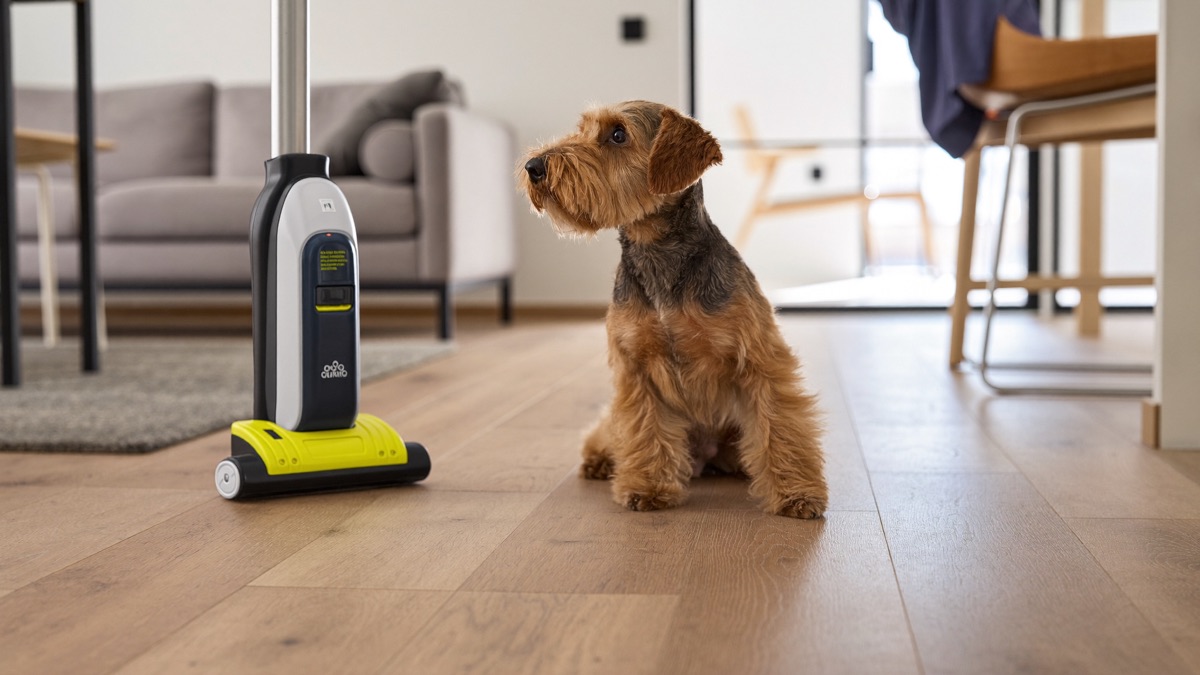
With DSCC — desensitisation and counterconditioning — which pairs the scary sound, at a volume too low to frighten, with excellent food until the sound itself predicts good things. The full method is in our desensitisation and counterconditioning guide; the dryer version looks like this:
- Start with your own hair dryer on its lowest, coolest setting, switched on in another room while your dog eats dinner. Too worried to eat? It's too loud or too close — add distance.
- Same room, far corner. Dryer on low, pointed away, while you feed a steady stream of treats. Thirty seconds, then off, treats stop.
- Shrink the distance over days, half a metre at a time. The dryer switching on should make your dog look at you expectantly — that's the emotional flip you're after.
- Air on the body last. Brief sweeps across the back and flanks first, never the face or ears, treats flowing the whole time.
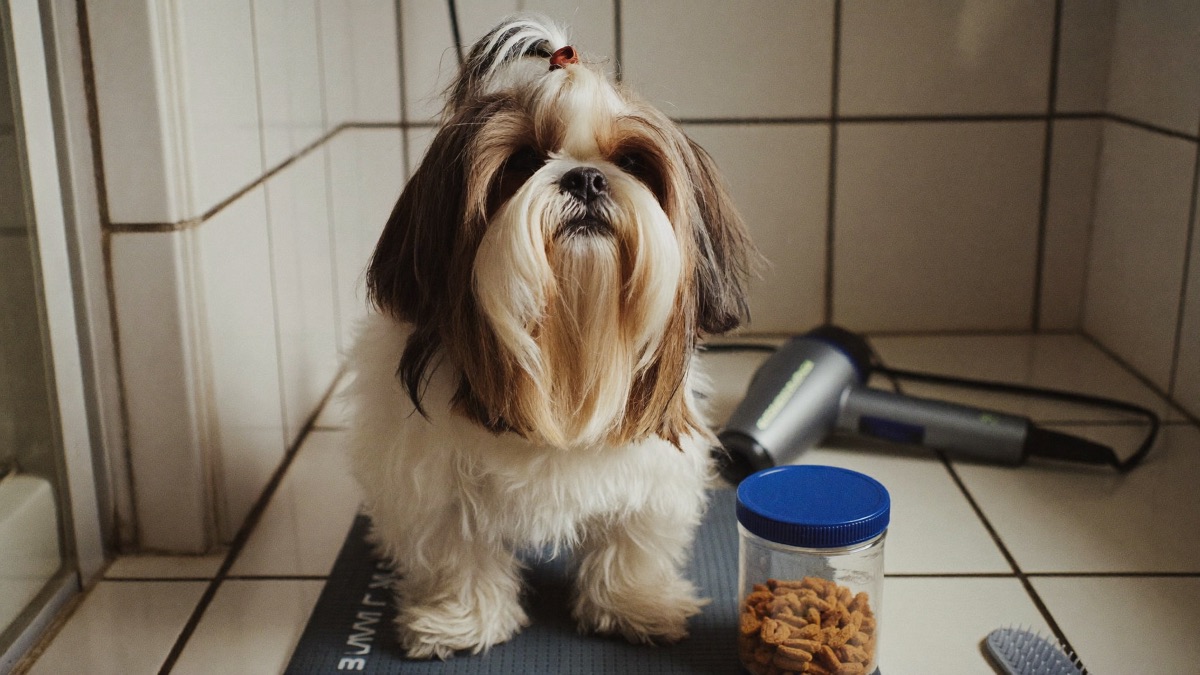
- Add restraint separately: gentle collar holds and standing-still practice on a non-slip mat, paired with food, before combining hands plus dryer.
Do the same with clippers: sound only, then the flat body of the clipper resting against the shoulder switched off, then switched on, one rung per session. In our climate, dogs are washed and dried often — see our bathing frequency guide — so this investment pays back for the dog's whole life.

How do I choose a patient groomer?
Interview them the way you'd interview a childminder. Good signs: they offer a short meet-and-greet or intro session before any full groom; they'll split a nervous dog's groom over two visits rather than force one; they let you mention specific fears and adjust; they use non-slip surfaces and take breaks; and they'll tell you honestly when a dog was struggling instead of "he was fine". Bad signs: guaranteed fixed turnaround times regardless of the dog, refusal to let you see the drying area, or any talk of dogs just needing to "get used to it". Our grooming guide for Singapore and Malaysia covers typical services and price ranges; for a fearful dog, prioritise patience over price every time, and book quiet weekday slots rather than crowded weekends.
What helps on grooming day itself?
Small logistics move the needle. Walk your dog first so it arrives with the edge taken off, and skip breakfast if car rides make it queasy. Hand over a written note of the specific fears — "dryer near the ears", "hind feet" — so nothing relies on a rushed doorway conversation. Ask for the first slot of the day, when the salon is quiet and no backlog pressures anyone to hurry. And collect your dog promptly: hours in a cage post-groom, surrounded by dryers running for other dogs, can undo a perfectly good session.
Is sedated grooming ever the right choice?
Sometimes, and it deserves an honest discussion rather than a whisper. For a dog that panics dangerously despite training, or one so matted that dematting awake would mean an hour of pain, vet-supervised sedation is a welfare decision: one calm, painless session instead of a traumatic marathon that makes next time worse. The non-negotiables: sedation is prescribed and monitored by a vet — never a salon medicating on its own — your dog is assessed as fit for it, and it's paired with a plan so you're not back in the same position in three months. That plan is the home DSCC work above, a shorter clip that needs less maintenance, and daily brushing so mats never build up again. Sedation buys time; training spends it well.