| Quick facts | |
|---|---|
| Size | Large (58–69 cm at the shoulder) |
| Weight | 36–50 kg |
| Lifespan | 8–10 years |
| Coat | Short, dense single coat; loose, wrinkled skin |
| Exercise | High — 60+ minutes daily, always on lead |
| Apartment suitability | Poor; vocal and large; not HDB-approved in Singapore |
What is a bloodhound's temperament like?
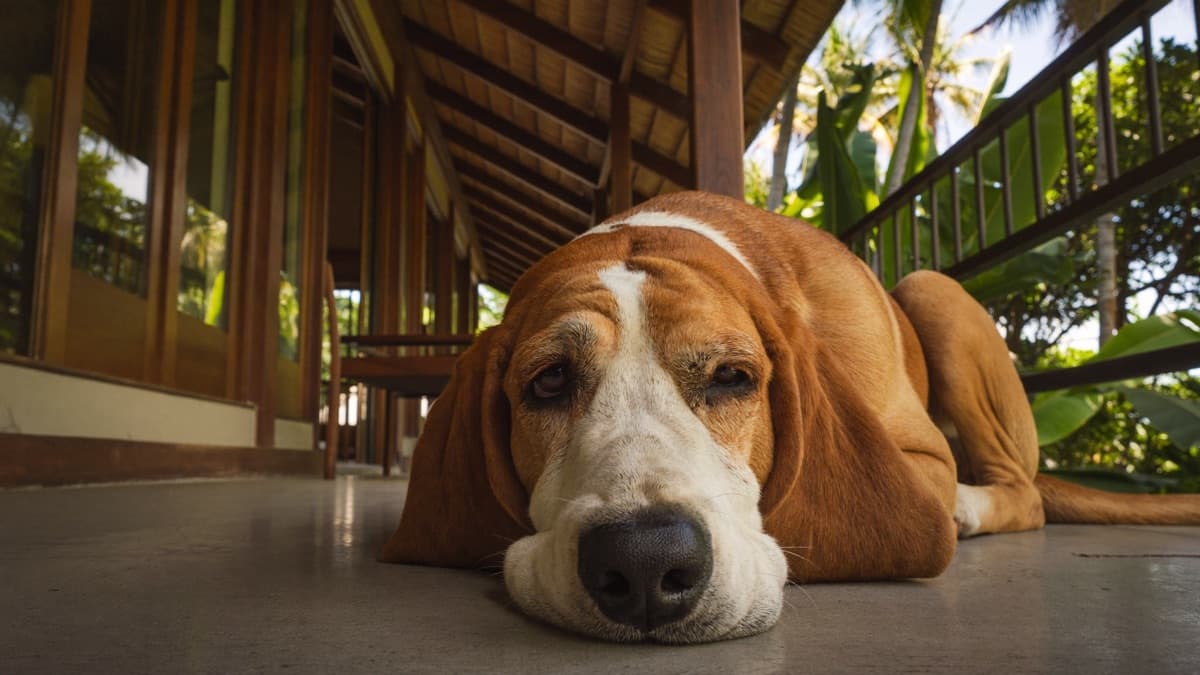
Bloodhounds are gentle, tolerant, and affectionate — genuinely sweet dogs that are typically excellent with children and easygoing with other dogs. Aggression is rare in the breed. What trips owners up is not temper but single-mindedness: a bloodhound was bred to follow a trail for hours regardless of anything its handler shouted, and that independence runs the household too.
Practically, that means: recall is never trustworthy — a bloodhound on a scent is deaf to you, so it lives its whole life on lead or behind proper fencing. It counter-surfs, opens bins, and eats things it should not with legendary commitment. It has a deep, booming bay that carries across a neighbourhood. And at 40-plus kilograms of low-slung muscle, an untrained bloodhound tows people down streets. Early training in loose-lead walking is not optional; it is the difference between a manageable dog and an unwalkable one.
What health problems do bloodhounds have?
This is a short-lived breed with several serious risks, and buyers should be blunt with breeders about screening:
- Gastric dilatation-volvulus (bloat/GDV) — the breed's number-one killer. The stomach fills with gas and twists; without emergency surgery it is fatal within hours. Know the signs — unproductive retching, a swelling abdomen, restlessness, drooling — and discuss preventive gastropexy with your vet. Feed multiple smaller meals and avoid heavy exercise around mealtimes.
- Hip and elbow dysplasia — both parents should carry OFA/BVA hip and elbow scores.
- Eyelid problems (entropion and ectropion) — the trademark droopy eyes predispose to irritation and infection; parents need a current ophthalmologist eye exam, and some affected dogs need surgery.
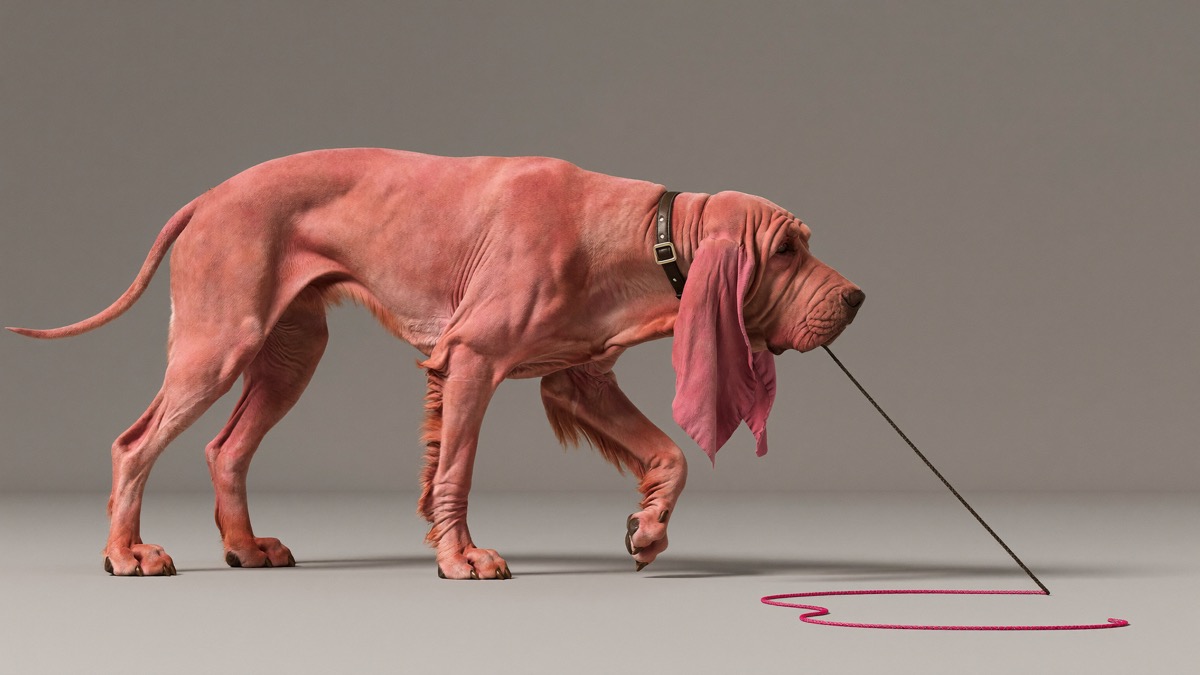
- Ear infections — those magnificent long ears seal off airflow, and in tropical humidity, yeast and bacterial otitis become a weekly battle without routine ear cleaning.
- Skin-fold dermatitis — wrinkles trap moisture; folds need regular cleaning and drying, doubly so in humid climates.
- Cardiac screening on breeding stock is also recommended.
Expect meaningful lifetime vet costs and, honestly, a shorter goodbye than with most breeds.
How much exercise and grooming does a bloodhound need?
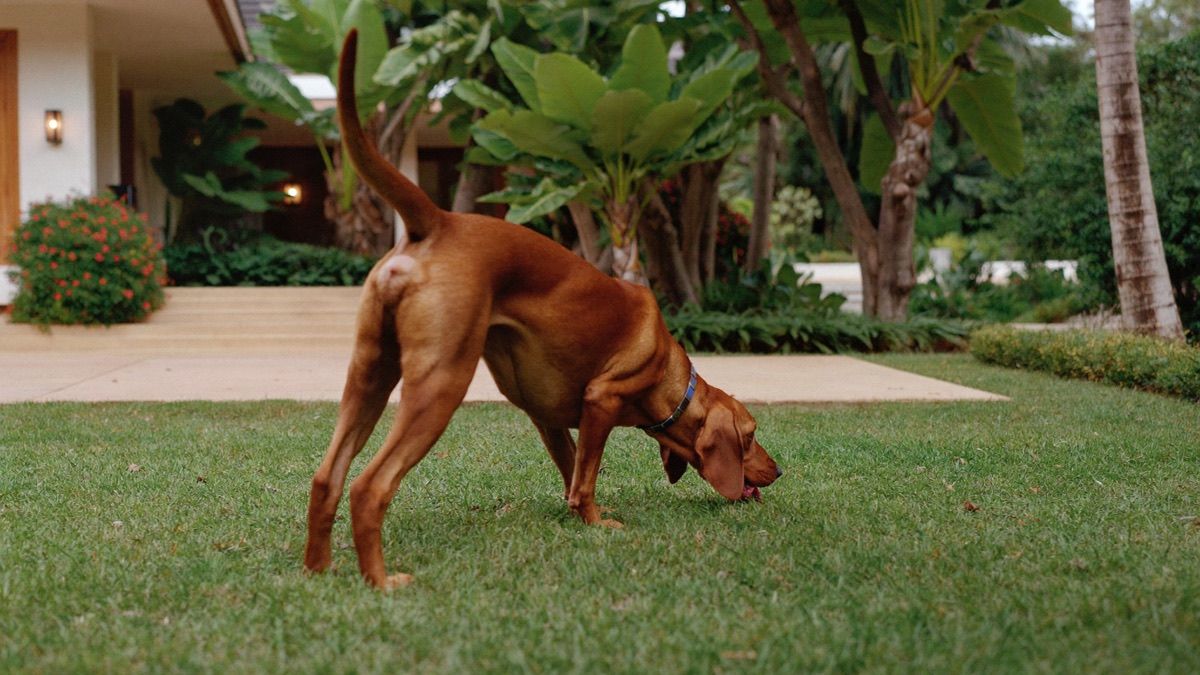
Exercise: at least an hour a day of on-lead walking, and their favourite workout is work — scent games, tracking lines, and nose-work classes tire a bloodhound far better than distance alone. Grooming is easy on paper: weekly brushing of the short coat. The real maintenance is daily face care — wiping wrinkles, cleaning drool, checking and cleaning ears several times a week — plus a house strategy for slobber, which reaches walls and ceilings when they shake.
Can a bloodhound live in Singapore or Malaysia?
Better than the Arctic breeds, with caveats. The bloodhound's short single coat handles warmth far better than a double coat, but this is still a very large, heavy-bodied, loose-jowled dog, and large breeds dissipate heat inefficiently. Heat management still matters:
- Walk early morning and late evening; save scent work for the coolest hours. A big dog working its nose hard generates real heat even at a walking pace.
- Shade, airflow, and ideally air-conditioning during midday hours; never leave one in a car or unshaded yard.
- Hydration and ear/skin-fold care go up in the tropics — humidity turns ears and wrinkles into infection farms without a routine.
- Know heatstroke signs: relentless panting, thick ropes of drool beyond the usual, red gums, staggering, collapse. Cool with room-temperature water and get to a vet immediately.
Housing is the bigger constraint here. In Singapore, HDB flats allow only dogs on the approved small-breed list — the bloodhound is nowhere near it — so this is a private-housing breed, realistically landed property with secure fencing; check the current AVS/HDB approved-breeds list for the latest rules. Note that dogs over certain sizes in Singapore also face additional leashing requirements in public. In Malaysia, most councils licence large dogs with conditions, and landed housing with a genuinely escape-proof gate is close to essential: a bloodhound that finds a gap will follow its nose for kilometres.
Who should not get a bloodhound?
Skip the bloodhound if you live in an apartment, prize a clean house, want off-lead beach runs, or will be crushed by an 8–10 year lifespan. Choose one if you have space, secure fencing, patience for a comedian with a one-track nose, and you find the drool a fair price for one of the gentlest big dogs alive.