| Quick facts | |
|---|---|
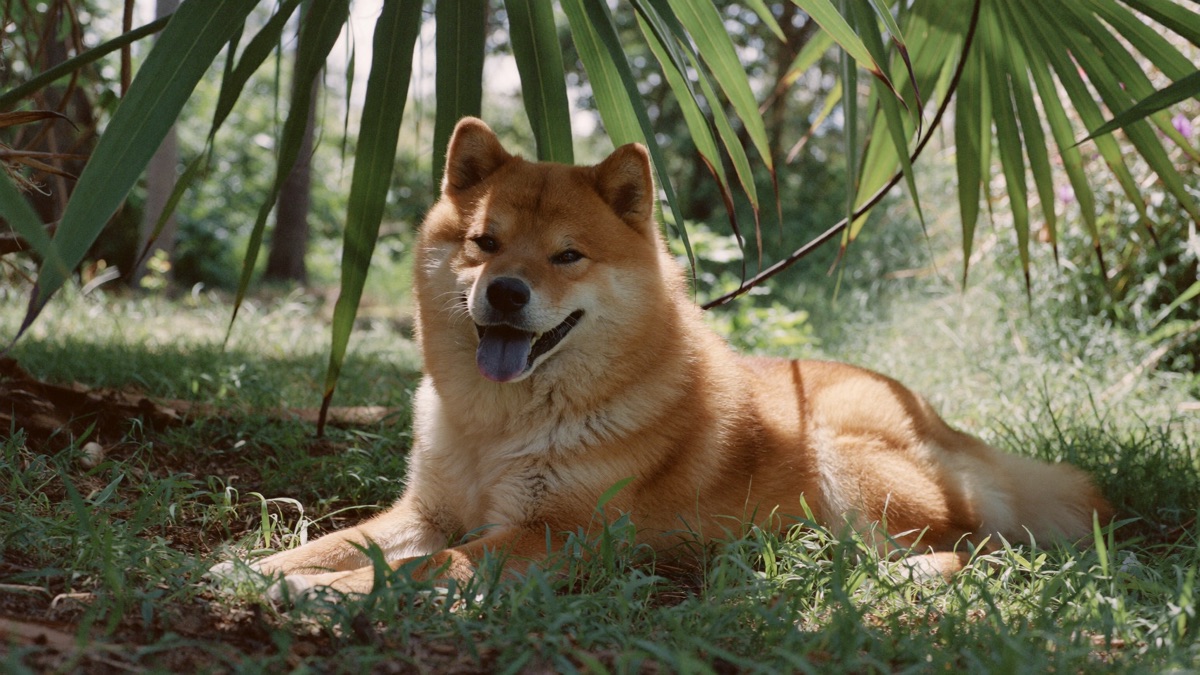
| Size | Small (33–43 cm at the shoulder) |
| Weight | 7–11 kg |
| Lifespan | 13–16 years |
| Coat | Thick double coat; heavy seasonal shedding |
| Exercise | Moderate — 45–60 minutes daily |
| Apartment suitability | Good for private apartments; not HDB-approved in Singapore |
What is a Shiba Inu's temperament really like?
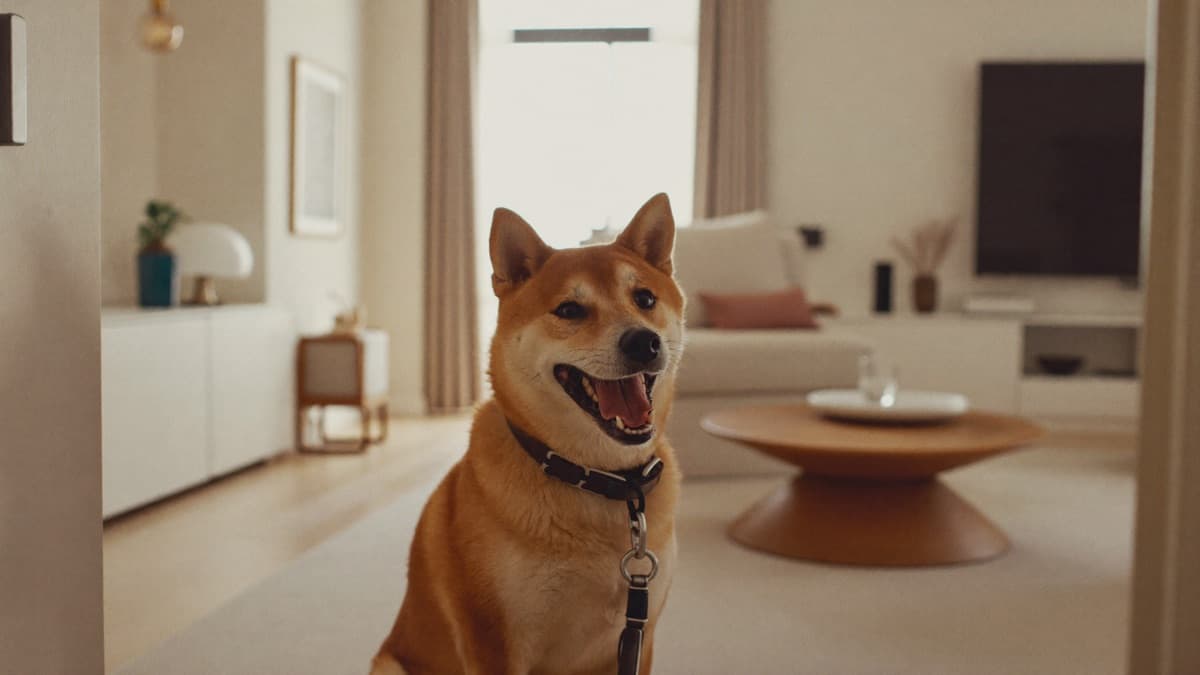
Shibas are confident, alert, and famously independent. They bond with their family but show affection on their own schedule — many owners describe them as cat-like. They are clean, quiet indoors, and rarely nuisance barkers, which makes them genuinely good apartment dogs in the right household.
Now the hard parts. Shibas are stubborn. Recall is unreliable in most individuals for life, so off-lead walks are a gamble even after years of training. Many resource-guard food and toys, and some dislike handling — nail trims and vet visits can involve the infamous "Shiba scream." They can be aloof or scrappy with unfamiliar dogs, especially same-sex dogs. Early, ongoing socialisation and reward-based training help, but you are managing these traits, not erasing them. If you want a dog that lives to please you, choose a different breed.
Are Shiba Inus easy to train?
No. They are intelligent and learn quickly, but they weigh every command against their own agenda. Short, rewarding sessions work; repetition and force backfire. Crate training and a rock-solid routine for doors and gates matter more than trick training — Shibas are escape artists, and a bolted Shiba typically will not come back when called.
What health problems do Shiba Inus have?
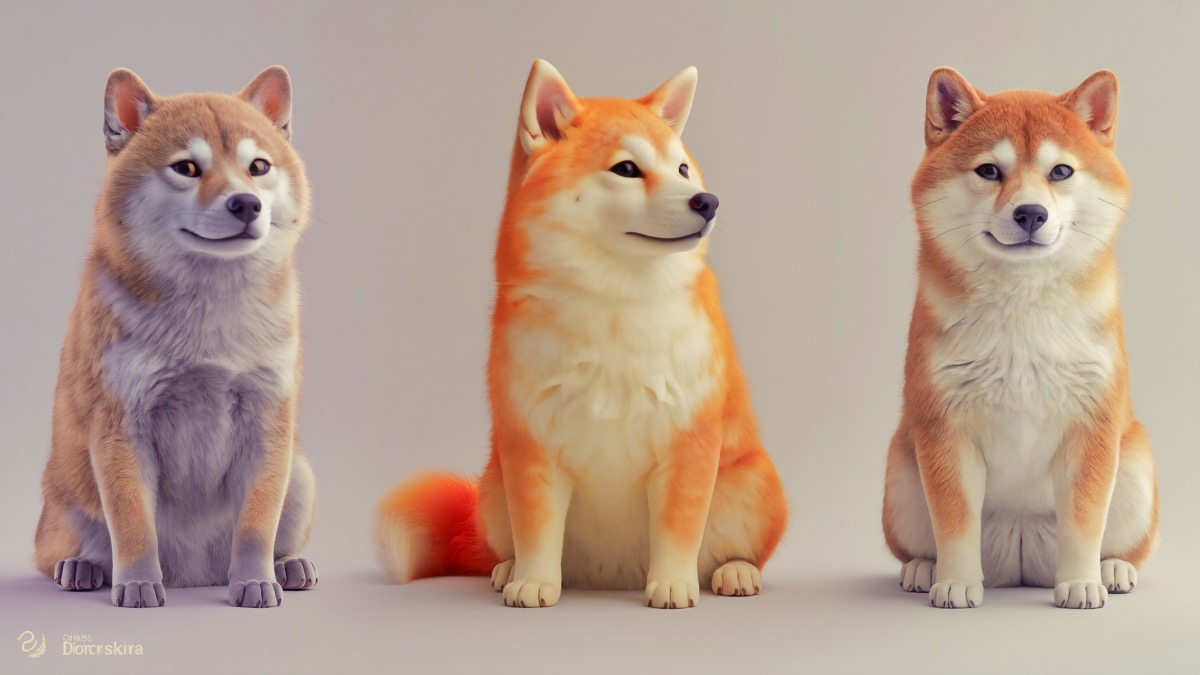
Shibas are a relatively healthy, long-lived breed, but reputable lines are screened for known issues:
- Patellar luxation — slipping kneecaps, common in small breeds. Breeders should have an orthopaedic patella evaluation on both parents.
- Hip dysplasia — less common than in large breeds but present; look for OFA or equivalent hip scores.
- Eye disease — glaucoma and progressive retinal atrophy occur in the breed; parents should have a current ophthalmologist eye exam (CAER or equivalent).
- Allergies (atopic dermatitis) — itchy skin and ear infections are the most common day-to-day complaint, and humid tropical weather tends to make skin issues worse. There is no screening test; ask the breeder honestly about allergies in the line.
A well-bred Shiba routinely reaches its mid-teens with modest vet bills. Buy only from breeders who show you the actual test results, not verbal assurances.
How much grooming and exercise does a Shiba need?
Grooming is simple but constant: weekly brushing normally, daily during the twice-yearly coat blow when the undercoat comes out in handfuls. Shibas are fastidious and rarely need frequent baths. Never shave the double coat — it regulates temperature in both directions and shaving damages regrowth.
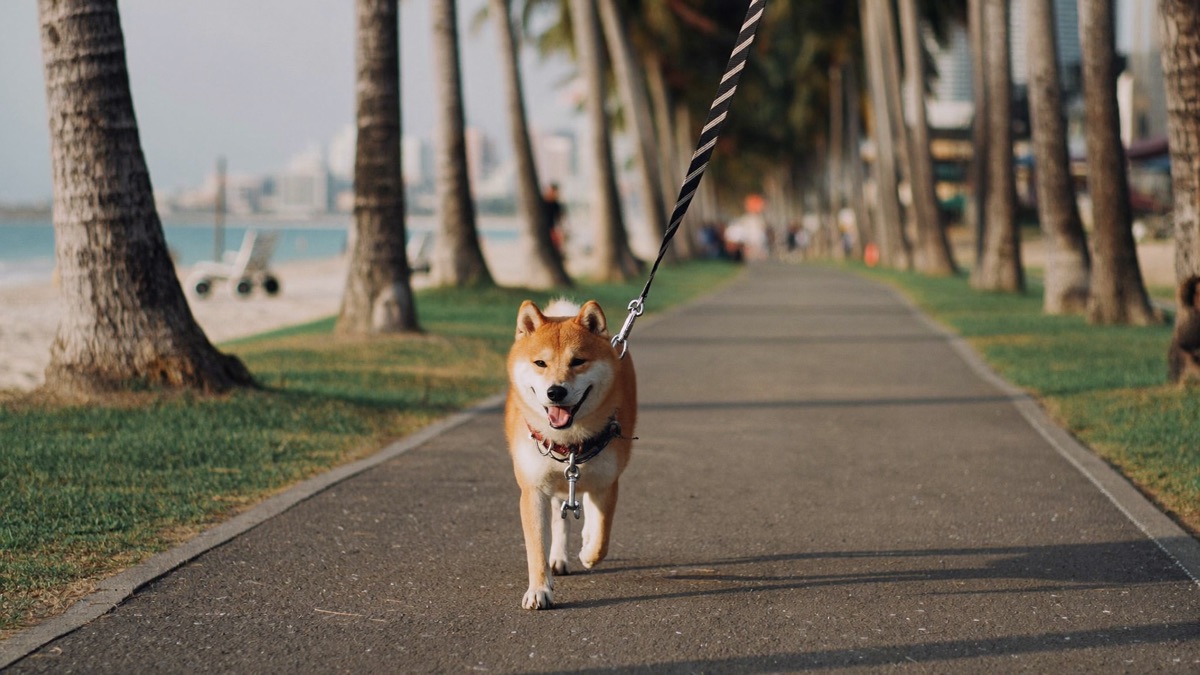
Exercise needs are moderate: 45–60 minutes of on-lead walking plus sniffing and enrichment. A bored Shiba becomes destructive and vocal; a walked one is a calm housemate.
Can a Shiba Inu live in Singapore or Malaysia?
Yes, with sensible management — Shibas are one of the more tropics-workable spitz breeds because they are small and moderate-energy, but the double coat still traps heat. In Singapore and Malaysia's year-round 30°C-plus humidity, plan for:
- Air-conditioning or strong airflow during the hottest hours. A Shiba left in a hot, still room is at real risk of heat stress.
- Early-morning and evening walks only. Skip midday exercise entirely; hot pavement also burns paws.
- Never shaving the coat. Brush out the undercoat instead — a well-maintained coat insulates against heat better than a shaved one.
- Watching for heatstroke: heavy panting, drooling, bright-red gums, wobbliness, or collapse. This is an emergency — cool the dog with room-temperature water and get to a vet immediately.
On housing: Shibas adapt well to apartment life, but in Singapore, HDB flats only permit dogs from an approved list of small breeds, and the Shiba Inu is not on it. Shibas are fine in condominiums and landed homes. Rules change, so check the current AVS/HDB approved-breeds list before you commit. In Malaysia, check your local council (DBKL, MBPJ, etc.) licensing rules and your condo's house rules, which often restrict dogs by size or number.
Who should not get a Shiba Inu?
Skip the Shiba if you want reliable off-lead recall, a dog for young children who will grab and hug it, a highly trainable first dog, or a velcro companion. Choose one if you respect an independent dog, can commit to lifelong lead-walking and secure doors, and find the aloof charm endearing rather than insulting.