| Quick facts | |
|---|---|
| Size | Large (55–65 cm at the shoulder) |
| Weight | 22–40 kg |
| Lifespan | 9–13 years |
| Coat | Dense double coat; sheds heavily year-round |
| Exercise | High — 90+ minutes daily plus training and mental work |
| HDB-approved | No — private housing only; AVS Part 2 scheduled dog |
What is a German Shepherd's temperament really like?
Confident, watchful, and intensely bonded to its family. A well-bred, well-socialised German Shepherd is steady with children it lives with, aloof but polite with strangers, and endlessly willing to work. This is the breed's genuine appeal: it wants a job and it wants to do that job with you.
The hard truth is that the breed's guarding instinct does not switch off because you live in a condo. An under-socialised or under-exercised Shepherd defaults to suspicion — barking at the lift lobby, lunging at delivery riders, resource-guarding the door. None of that is bad temperament; it is a working temperament with nowhere to go. Budget for structured obedience classes from puppyhood (mandatory anyway under AVS rules), daily training sessions, and heavy socialisation before six months. This is not a first-dog breed, and it is not a leave-alone-ten-hours breed.
Working line or show line: which German Shepherd are you actually buying?
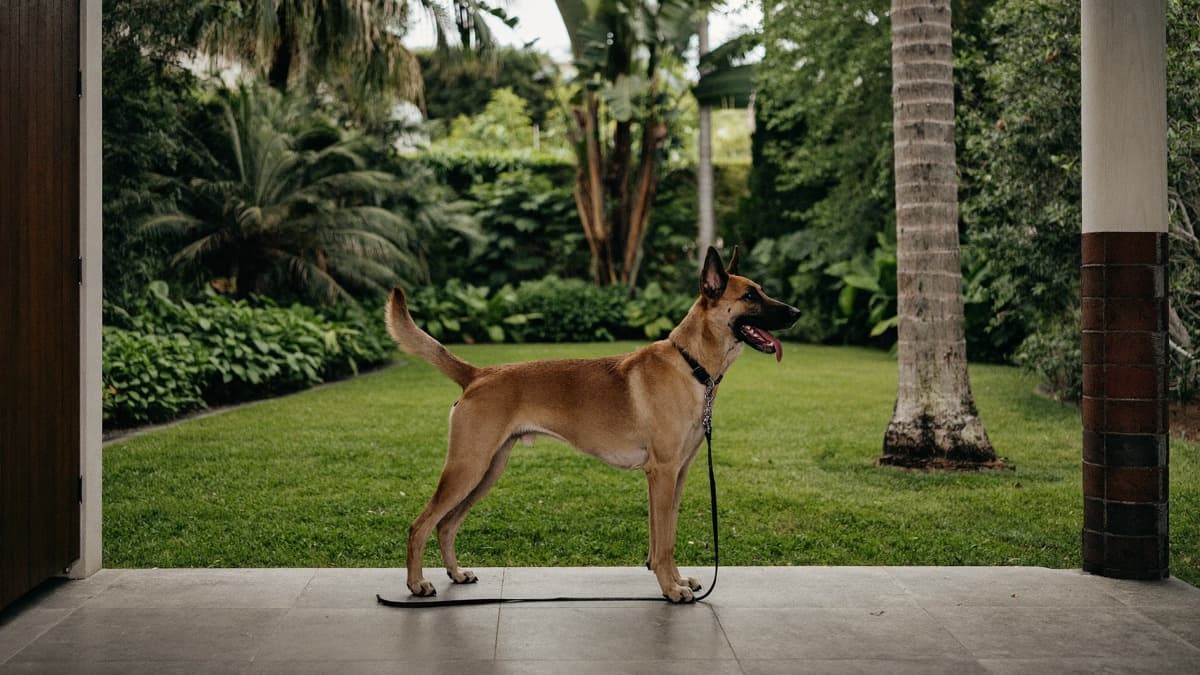
The breed has split. Working lines (often East European or DDR ancestry) are straighter-backed, higher-drive, and bred for protection sport or police work — magnificent dogs, and far too much dog for a family that wants a companion. Show lines are calmer and more handler-soft, but some show breeding has exaggerated the sloped back and angulated rear, which is associated with movement problems. Ask the breeder honestly what the line was bred to do, and look at the parents standing naturally. If you want a family companion, say so, and walk away from any breeder selling "high drive" as a selling point for a pet home.
What health problems do German Shepherds have?
The big three are orthopaedic and neurological. Hip and elbow dysplasia are the breed's signature problems: malformed joints that progress to painful arthritis. The only defence is buying from parents with good formal hip and elbow scores, then keeping the dog lean and avoiding forced exercise on growing joints. Degenerative myelopathy (DM) is a late-onset spinal cord disease — a slow, painless paralysis that starts with hind-leg weakness around eight years and has no treatment. A cheap DNA test (SOD1) identifies at-risk breeding dogs; there is no excuse for a breeder skipping it. Ask for both parents' DM status in writing.
Beyond those: gastric dilatation-volvulus (bloat) is a genuine emergency in this deep-chested breed — know the signs (unproductive retching, swollen abdomen, restlessness) and know your nearest 24-hour clinic. Sensitive digestion, exocrine pancreatic insufficiency, and skin allergies also run in the breed, and allergies flare badly in humid climates.
How do you manage a double coat in the tropics?
You never shave it. The undercoat regulates heat in both directions, and shaving trades a functional coat for sunburn risk and patchy regrowth. Instead: a thorough undercoat rake twice a week (daily during coat blows), a proper wash-and-blow-dry monthly, and complete drying after rain — a damp undercoat in 85 per cent humidity is a hot-spot factory. Check armpits, groin, and under the tail for moist dermatitis weekly. Accept the fur. It will be on your clothes, your sofa, and in your rice. A robot vacuum is not a luxury with this breed.

Can a German Shepherd live happily in Singapore or Malaysia?
Yes, but only in a specific kind of home, and in Singapore only with the paperwork done.
Legal status. The German Shepherd is not HDB-approved: private housing only. It is also listed in Part 2 of the AVS schedule of specified dogs, alongside Rottweilers and Dobermanns. That means: leashed and muzzled in public at all times, third-party insurance of at least $100,000, a $2,000 banker's guarantee lodged with AVS, and obedience training. Verify the current requirements on the AVS website before committing, because conditions can change.
Heat. A fit, lean Shepherd manages the climate if you manage the schedule: walks before 8 am and after 7 pm, shade and water always, and watch for early heat stress (heavy panting, bright red gums, wobbliness). Midday exercise in this climate is how Shepherds end up at the emergency vet. Most owners here give the dog air-conditioned rest space through the hottest hours, and the dogs are visibly better for it.
Exercise reality. Ninety minutes of leashed walking is the floor, not the ceiling. The breed needs mental work — obedience, scent games, structured play — or it invents its own entertainment, usually loudly.
Who should not get a German Shepherd?
Skip this breed if you live in an HDB flat (you legally cannot keep one), if this is your first dog, if nobody is home most of the day, or if the muzzle-in-public rule feels embarrassing rather than routine. If you have private housing, experience, and a genuine appetite for daily training, few dogs will ever be more devoted to you.