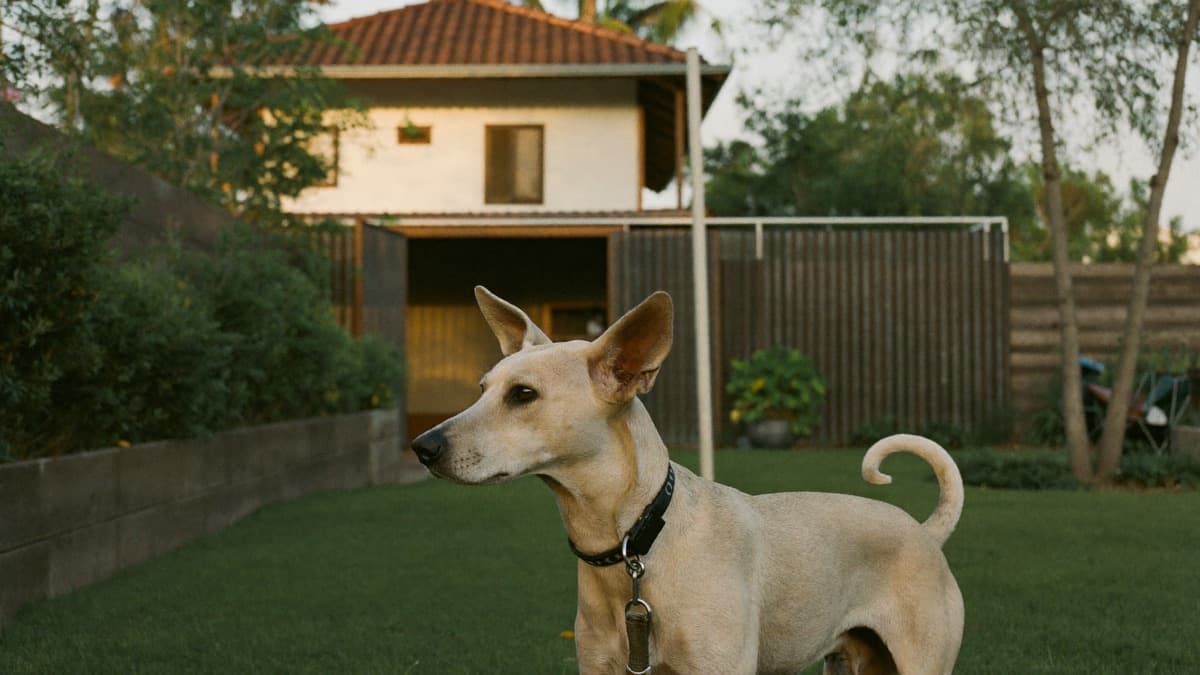
What is a kampung dog?
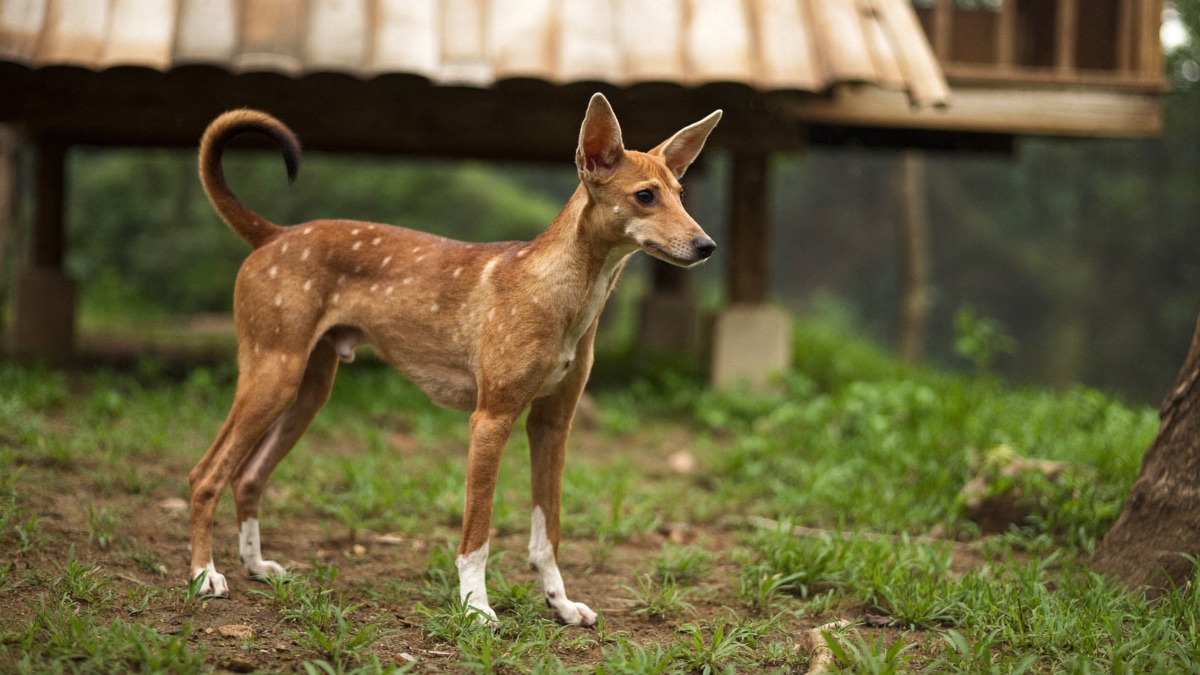
"Kampung dog" (anjing kampung) is a name used for local village or mixed-breed dogs. It does not give you a reliable pedigree, adult size or temperament. You may also see these dogs described as mongrels or local dogs in adoption listings.
For related reading, see our Telomian guide and the Singapore Special. Choose a dog based on its individual needs, rather than assuming these labels describe identical dogs.
What do kampung dogs look like, and how big are they?
Appearance and size vary. Ask the shelter for the dog's current weight, estimated age and any known parentage. For a puppy, treat the predicted adult size as an estimate when planning housing, transport and food costs.
| Before choosing | What to ask |
|---|---|
| Size | What does the dog weigh now, and is it still growing? |
| Coat | What grooming has it needed in the shelter or foster home? |
| Health | Can I see vaccination, parasite-treatment and veterinary records? |
| Daily care | What exercise, handling and settling-in support does this dog need? |
What is their temperament like?
Meet the dog and ask the people caring for it about its behaviour in different situations. Useful questions include how it responds to handling, other dogs, visitors and time alone. Ask about any known bite history or situations that frighten it.
Allow the dog space to settle into a predictable routine. Do not assume that fear will disappear on a fixed timetable, or that a shelter dog will behave the same way in every home. Ask the shelter and your vet for help if you are unsure how to manage its behaviour safely.
Are kampung dogs healthier than pedigree dogs?
Not necessarily. A UC Davis study of inherited disorders found that differences between mixed-breed and purebred dogs depended on the condition. Some disorders were more common in purebreds; others occurred at similar rates. The study used US hospital records, so it does not establish disease rates or life expectancy for Malaysian kampung dogs.
Arrange a veterinary assessment and bring the shelter's records. Ask about vaccination needs, skin or ear problems, tick exposure, dental care and an appropriate parasite-prevention plan. Tests should follow the dog's age, symptoms and history; being a rescue dog alone does not determine every test it needs.
For heartworm, the American Heartworm Society distinguishes young puppies from older dogs when recommending testing before prevention. Ask your Malaysian vet to set the testing and prevention schedule for the individual dog and available products. Do not delay a puppy's preventive care simply because it is too young for a useful screening test. Our heartworm guide explains the disease.

Where can I adopt a kampung dog in Malaysia?
These organisations publish adoption information. Fees and conditions below were checked on 19 September 2026; confirm the amount and care already completed for your chosen dog before visiting.
Scroll sideways to compare all columns →
| Organisation | Published fee | What to confirm |
|---|---|---|
| SPCA Selangor | Dogs from RM350, including three vaccinations, deworming and compulsory neutering | Adult animals are neutered before adoption. Puppies under six months return for surgery as instructed. Adoption approval is discretionary; a home check may be required. |
| PAWS Malaysia | Adult dog RM100; puppy under one year RM130; separate mixed-breed category RM200 | Ask which category applies. PAWS says its animals are vaccinated and neutered; check the individual records. An interview is required, and animals cannot be reserved. |
| Malaysian Dogs Deserve Better (MDDB) | Confirm directly; no fee stated on the page checked | Browse its adoption list and arrange the next step with the group. Its website says the shelter is not open to visitors. |
The adoption payment is only one part of the budget. Plan for food, routine and unexpected veterinary care, training, equipment and licensing. The Malaysia dog-cost guide can help you organise those costs.
Do I need a licence, and can I keep one in a flat?
Check the council responsible for your address before adoption. MBPJ publishes a strata prohibition; DBKL may permit one dog from its small-dog list with a licence and management consent. Neither establishes permission for a kampung dog in a flat. Guidance checked 18 September 2026; our Malaysia dog-licence guide covers more councils.
Scroll sideways to compare all columns →
| Council | Annual licence (2026) | Sterilised discount | Flats and condos | Dogs allowed |
|---|---|---|---|---|
| MBPJ (Petaling Jaya) | RM30 (RM60 for 2 years, RM90 for 3) | RM30 for a 3-year licence | Prohibited in published MBPJ guidance; confirm current application to your address | 2 on premises under 1,000m², 4 above |
| DBKL (Kuala Lumpur) | Category-based fee; confirm through e-DOG | Depends on DBKL classification; see the official leaflet | May permit one listed small dog; licence and JMB/MC consent required | 1 under 300m², 2 above (e-DOG FAQ) |
MBPJ asks for a vaccination certificate from a recognised clinic (proof of sterilisation is optional, needed only for the discounted licence), and unlicensed keeping carries a fine of up to RM2,000 on conviction. Do not infer a mixed-breed dog's classification from its appearance or the label "kampung dog". Ask your council to confirm how it classifies the individual dog. The DVS import lists concern entry into Malaysia; they do not settle local ownership or housing eligibility.
Follow the conditions on the licence, keep your dog under control and address noise or fouling that affects neighbours.
How do I care for a kampung dog in the heat?
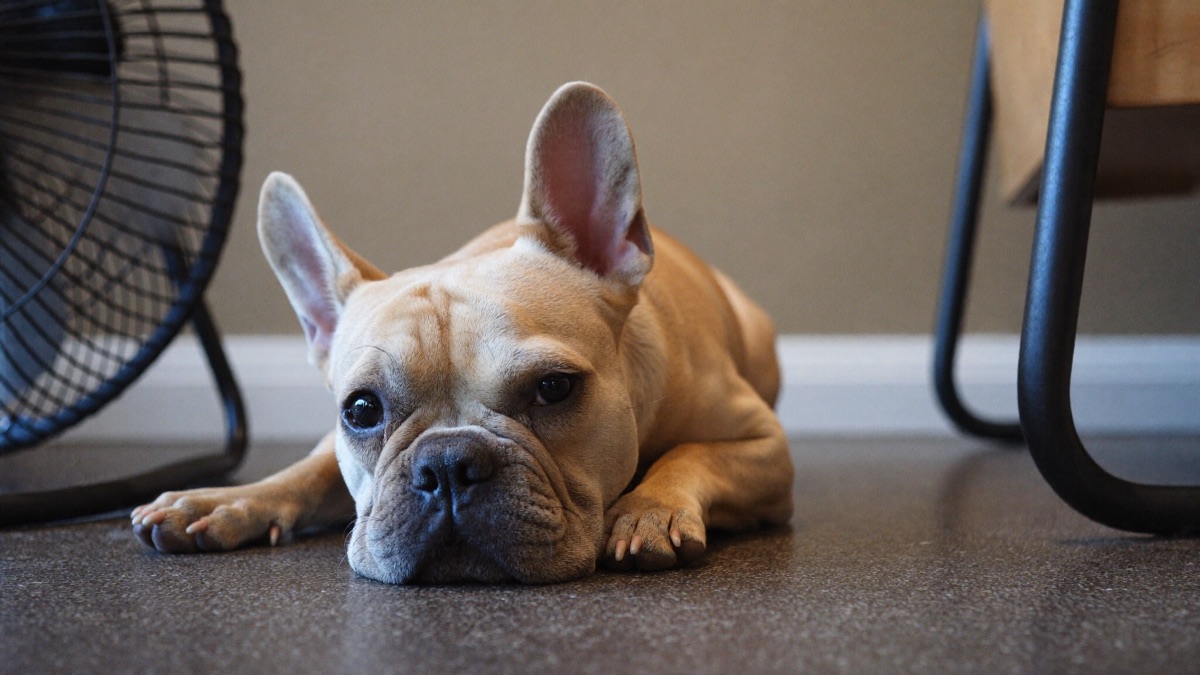
A local dog can still overheat. Choose cooler conditions for exercise, provide shade and fresh water, and check that the ground is not too hot for paws. Shorten or skip a walk if conditions are unsafe; a fixed time such as 9am does not guarantee safe weather. The RSPCA's hot-walk guidance explains what to watch for.
Heavy panting, excessive drooling, weakness, confusion or collapse after heat exposure need urgent attention. Stop exercise, move the dog out of the heat and start cooling with water while arranging urgent veterinary help. Pour water cooler than the dog over its body, avoid the head and use airflow. Continue cooling during transport. Follow the RSPCA's heatstroke first-aid guidance; do not wait for the dog to recover unaided. Care sources checked 19 September 2026.
What to do next
- Ask the shelter about a specific dog's health, behaviour, fee and follow-up care.
- Confirm licence and housing eligibility with your council and building management before adoption.
- Arrange a veterinary appointment with the dog's records to plan preventive care and any necessary tests.