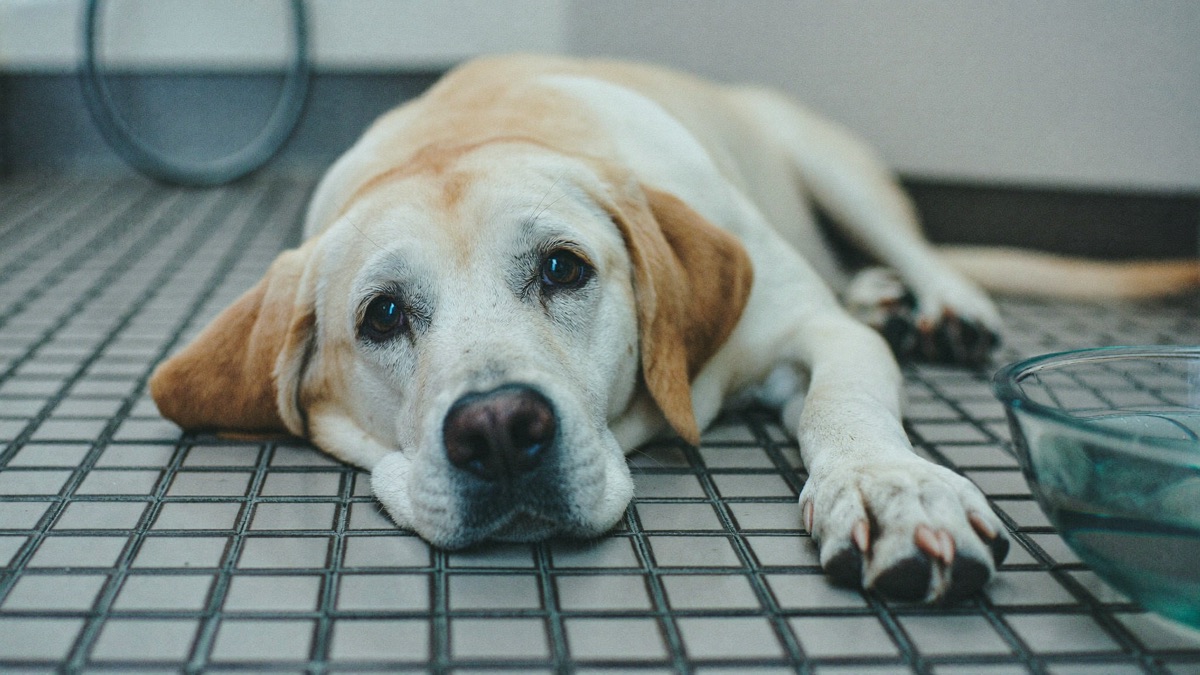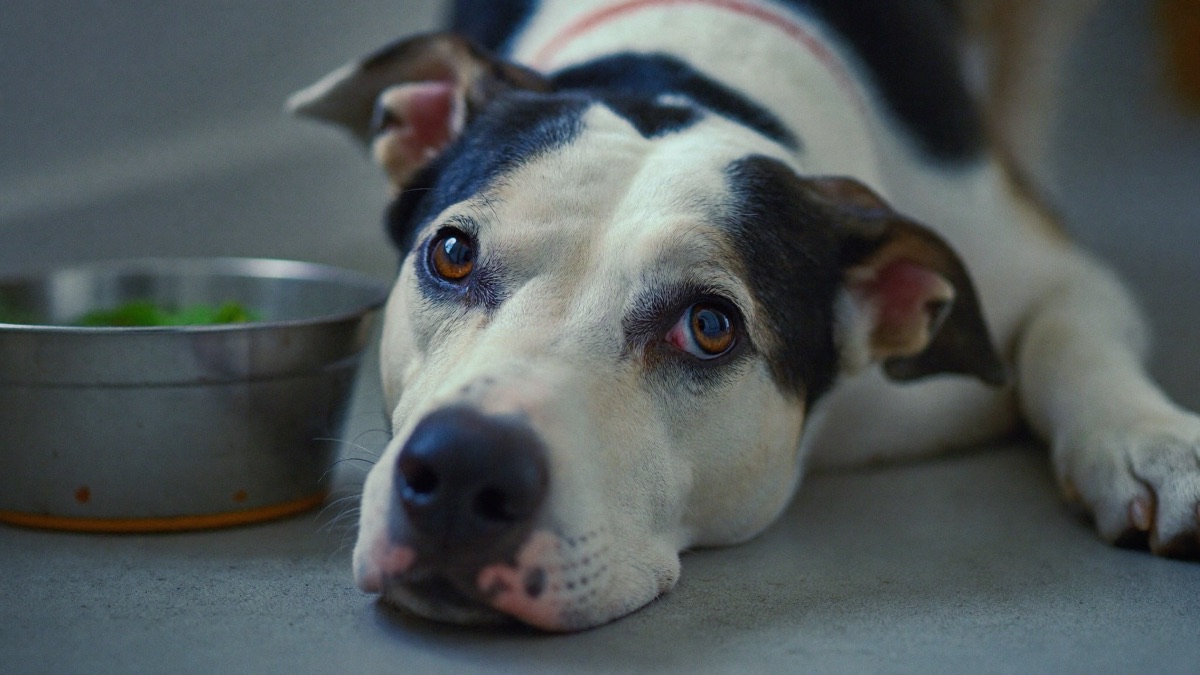
Go to a vet now if any of these are true
Yellow vomit stops being a "monitor at home" situation the moment any of the following appears:
- Repeated vomiting — more than two or three episodes in a few hours, yellow or otherwise.
- Unproductive retching — heaving with nothing coming up, especially in deep-chested breeds. That is the signature of bloat (GDV), a kills-within-hours emergency.
- A painful, hard, or distended belly, or a dog standing in a "prayer position" with front legs down and rear up.
- Lethargy, collapse, pale gums, or fever alongside the vomiting.
- Blood — fresh red streaks or dark "coffee grounds" material mixed into the yellow.
- Known or suspected swallowing of an object or toxin — toys, socks, corn cobs, bones, chocolate, grapes, xylitol, medications.
- A puppy, senior, or toy breed that vomits more than once or won't keep water down. They dehydrate dangerously fast.
- No interest in food for more than 24 hours after the vomit.
In Singapore or Malaysia, call your nearest 24-hour emergency vet immediately if any of these apply — the Singapore Veterinary Association's vet centre directory lists clinics island-wide, and in Malaysia the Department of Veterinary Services oversees veterinary clinics nationally.
Probably fine to monitor at home
- A single yellow-foam vomit, first thing in the morning or late at night, in a dog that then trots off and asks for breakfast.
- The same pattern happening occasionally — say once every few weeks — in a dog that is otherwise thriving, eating, and holding a steady weight.
- A yellow vomit after an unusually long gap between meals (a skipped dinner, a late feed), followed by completely normal behaviour. This includes the hot-weather version common in Singapore and Malaysia: a dog that eats less during a sticky, humid stretch, then brings up bile after the longer-than-usual gap.
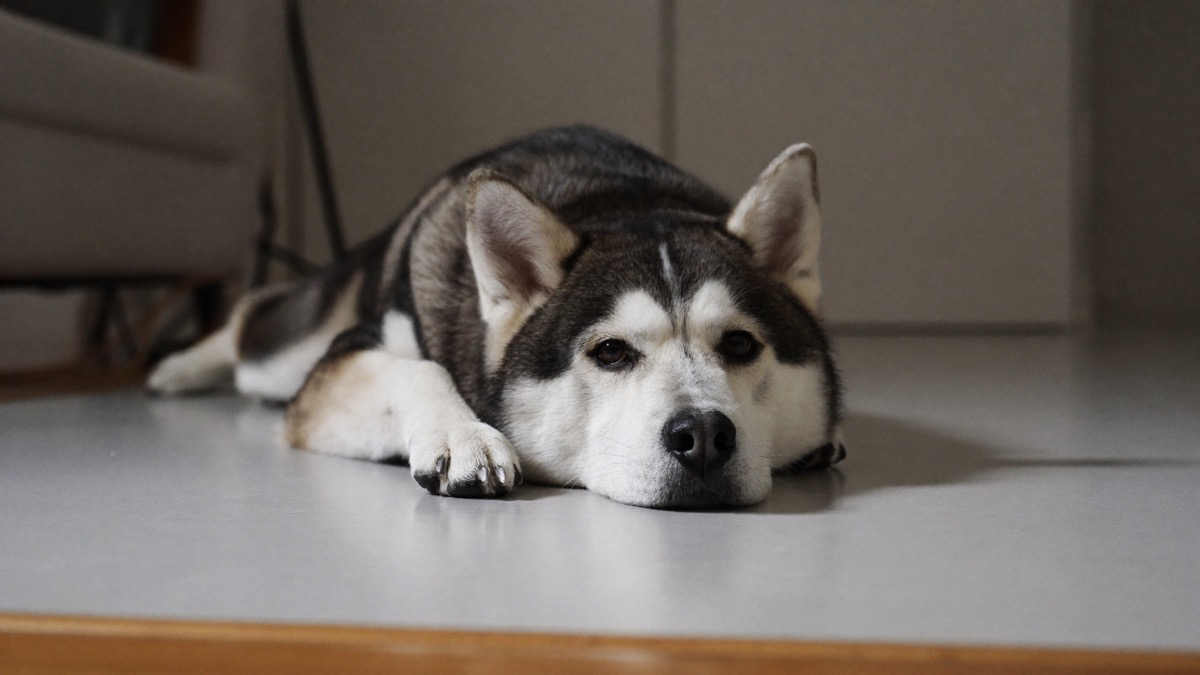
What is bilious vomiting syndrome?
If your dog regularly vomits yellow foam on an empty stomach — most often in the early morning, hours after the last meal — vets call it bilious vomiting syndrome. Overnight, bile refluxes from the small intestine into the empty stomach, irritates it, and the dog vomits the accumulated bile before breakfast. Affected dogs are characteristically normal in every other way: good appetite, good energy, normal stools.
It is a diagnosis of exclusion, which means your vet may still want to rule out other causes if episodes are frequent — but the management is refreshingly simple.

How do I stop my dog vomiting bile in the morning?
Shrink the overnight fast. The single most effective fix is a small snack right before bed — a portion of the dog's normal food held back from dinner works well, so total daily calories stay the same. Other options your vet may suggest:
- Split the daily ration into more, smaller meals, with the last one as late as practical.
- Feed an early breakfast to close the gap from the other end.
- If the pattern persists despite this, ask your vet about it — some dogs need dietary change or medication, and stubborn cases warrant a workup for underlying gut disease.
Do not reach for human antacids or anti-nausea tablets on your own. Some human medications are toxic to dogs, and doses do not translate.
When yellow vomit is serious
Two conditions deserve special mention because they can open with yellow vomit and look mild for a few hours:
- Intestinal obstruction. A swallowed object blocking the gut produces vomiting that keeps recurring regardless of the stomach being empty — often yellow early on. Suspect it in dogs that chew and swallow things, and treat repeated vomiting plus a quiet, uncomfortable dog as an emergency. Obstructions need imaging, and often surgery.
- Pancreatitis. Inflammation of the pancreas — commonly after a rich or fatty meal — causes persistent vomiting, belly pain, lethargy, and food refusal. It is genuinely painful and can become life-threatening; it needs veterinary treatment, not a bland diet at home.
The dividing line is the dog, not the colour: a yellow vomit followed by a normal, hungry dog is usually bile on an empty stomach. A yellow vomit followed by more vomiting, pain, or flatness is a vet visit today.
What if the vomiting continues?
Treat repeat episodes exactly as you would any vomiting: rest the gut, reintroduce small bland meals only if your dog is bright, and escalate to a vet if anything on the red-flag list shows up. Our general dog vomiting triage guide walks through that framework step by step, including the vomiting-versus-regurgitation distinction vets will ask about.