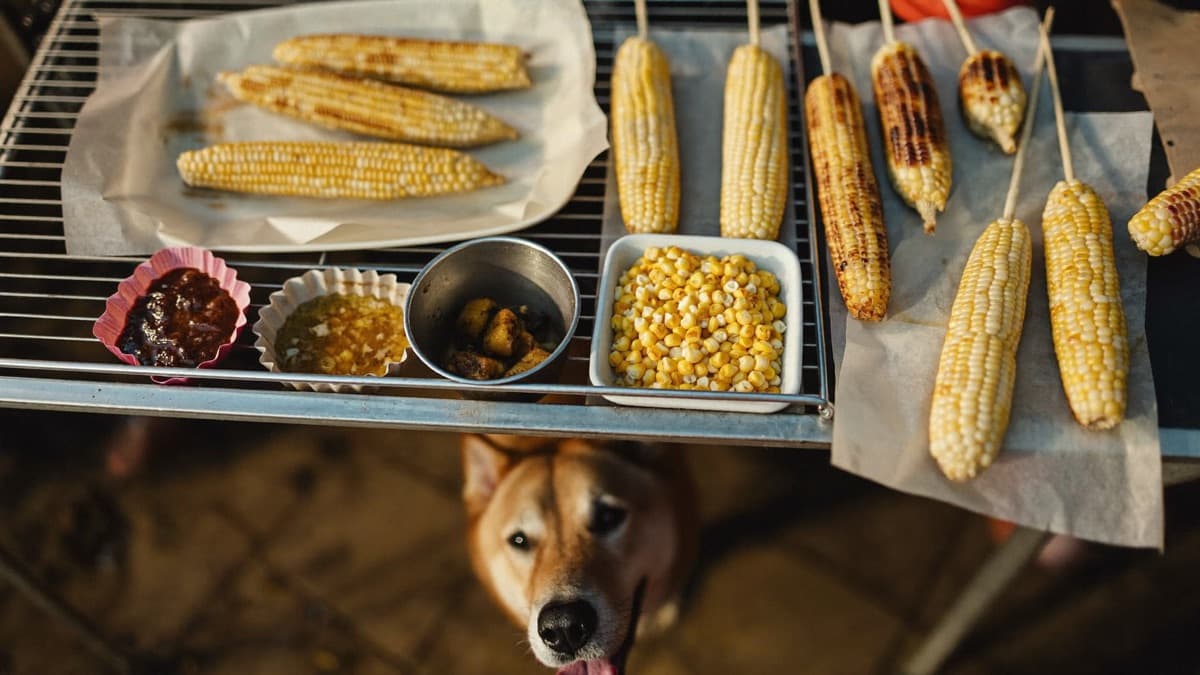
Is corn good for dogs?
In moderation, corn is a perfectly respectable treat. Kernels provide carbohydrate for energy, some protein and fibre, linoleic acid, and antioxidants such as lutein. The old "corn is just filler" line does not survive contact with the evidence — properly cooked corn is digestible for dogs, which is why reputable diets use it.
That said, your dog's complete food already covers its needs, so corn is a bonus, not a requirement. Keep it plain: steamed or boiled kernels, no butter, no salt, no chilli, no mayo. Sweetcorn cups drowned in margarine are for humans. Corn allergy in dogs exists but is far less common than allergies to proteins like chicken or beef.
How much corn is safe for my dog?
Plain cooked kernels only, within the usual 10 percent treat allowance.
Scroll sideways to compare all columns →
| Dog size | Example weight | Safe amount per serving |
|---|---|---|
| Small (Chihuahua, toy poodle, shih tzu) | Under 10 kg | 1–2 teaspoons of kernels |
| Medium (beagle, Singapore Special, border collie) | 10–25 kg | Up to 1 tablespoon |
| Large (golden retriever, GSD, labrador) | Over 25 kg | Up to 2 tablespoons |
Introduce corn gradually. Whole kernels sometimes pass through visibly undigested — harmless, if slightly undignified.

The cob is the emergency
Here is the part that fills veterinary surgery schedules. A corn cob is tough, absorbent and indigestible, and a chunk of gnawed cob is almost exactly the diameter of a dog's small intestine. Swallowed pieces do not break down; they travel until they wedge, and a wedged cob is a mechanical blockage that usually requires surgery to remove. Cobs also barely show on X-rays, which can delay diagnosis.
The risky moments are predictable: BBQ pits and corner grills, pasar malam stalls selling buttered corn in cups and grilled corn on sticks, and the bin afterwards. A discarded cob smells of butter and salt and looks, to a dog, like a chew toy. Dogs rarely nibble politely — they crunch off chunks and swallow.
Signs of a blockage typically appear within hours to a couple of days: repeated vomiting, poor appetite, lethargy, a painful or tense belly, straining with little or no stool. A dog can still drink and seem intermittently normal early on, which lulls owners into waiting. Do not wait — a known cob ingestion warrants a call to the vet even before symptoms.
Prevention is boring and effective: never hand a dog a cob to chew, clear plates promptly, and use bins with lids at any gathering with corn on the menu.
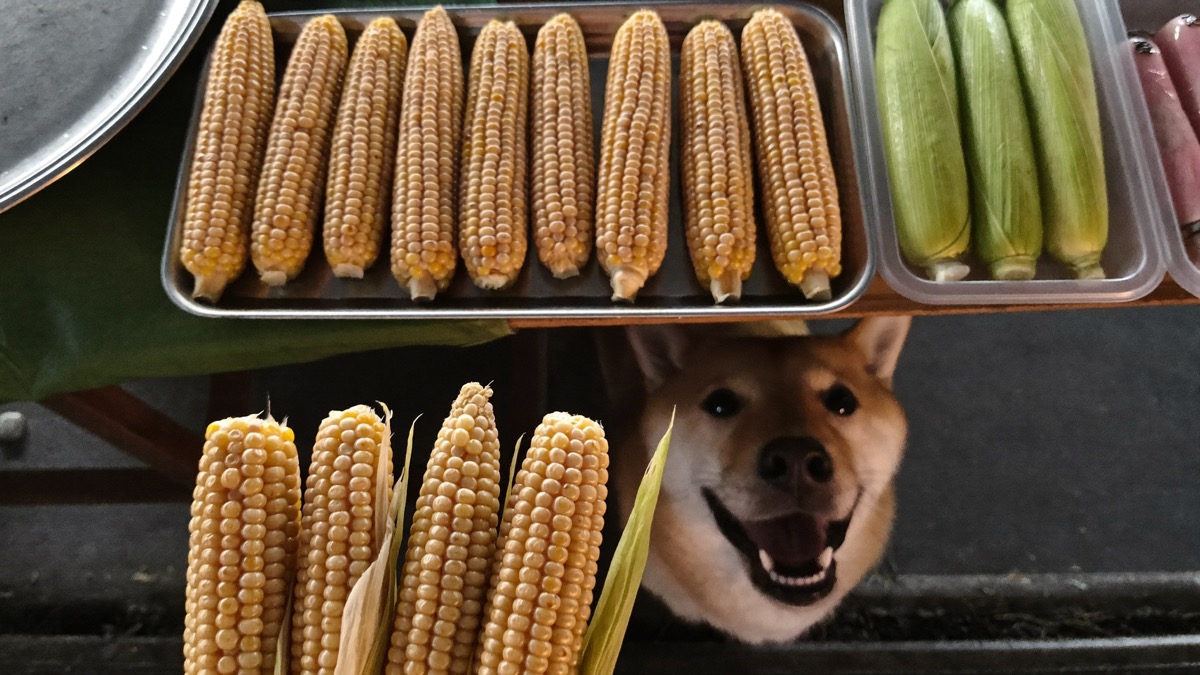
Can dogs eat popcorn?
Plain, air-popped popcorn is a light, safe treat in small quantities — a few pieces, not a bowl. The hazards are the toppings and the duds. Butter, salt, caramel, cheese powder and kopitiam-style sweet coatings pile on fat, salt and sugar; unpopped or half-popped kernels can chip teeth and are a choking hazard for small dogs. If you share movie-night popcorn, set aside a plain handful before you season yours.
When should I call the vet?
Plain kernels rarely cause trouble. Call your vet if:
- Your dog ate or chewed a corn cob, even without symptoms yet — early advice beats emergency surgery.
- You see repeated vomiting, a painful belly, lethargy, poor appetite or straining without stool in the days after a BBQ or pasar malam outing.
- Your dog shows itchy skin or recurrent tummy upsets after corn, which may point to a food allergy.
- Any vomiting or diarrhoea lasts more than 24 hours.
In Malaysia, the Department of Veterinary Services is the national animal-health authority — but for a suspected blockage, your nearest 24-hour emergency clinic is the number to ring.
Which BBQ foods are actually toxic to dogs?
The corn is usually the least of the table's problems:
- Onion and garlic — in marinades, satay sauce and grilled sides; they damage red blood cells and can cause anaemia.
- Grapes and raisins — in salads and desserts; they can cause acute kidney failure in small amounts.
- Xylitol — in sugar-free drinks, sauces and desserts; it triggers life-threatening low blood sugar in dogs.
If your dog eats any of these, contact your vet or an emergency animal clinic straight away rather than waiting for symptoms.