Homemade treats let you control exactly what your dog eats, cost less than imported snack packs, and work brilliantly as training rewards. The trade-off: no preservatives means real storage discipline, especially in a tropical kitchen. Recipes first, rules after.
What are the easiest homemade dog treat recipes?
1. Baked sweet potato chews. Scrub a sweet potato (no need to peel), slice lengthwise into 5–7 mm strips, and bake at 120°C for about 2.5–3 hours, flipping halfway, until dry and chewy. One ingredient, and most dogs treat them like contraband. Refrigerate up to a week.
2. Frozen banana–peanut butter bites. Mash one ripe banana with two tablespoons of xylitol-free peanut butter (read the label every time — xylitol, sometimes labelled "birch sugar" or E967, is deadly to dogs, and it appears in some low-sugar spreads sold locally). Spoon into an ice cube tray or silicone mould and freeze 2–3 hours. Perfect on a 34°C afternoon. Keeps a month in the freezer; serve one cube at a time.
3. Chicken jerky strips. Slice skinless chicken breast into thin strips along the grain, about 5 mm thick. Bake on a rack at 100°C for 2 hours (or use a dehydrator) until fully dry and leathery with no soft spots — underdried jerky spoils fast in humidity. No salt, no marinade, no seasoning. Refrigerate airtight and use within one to two weeks, or freeze.
4. Pumpkin oat biscuits. Mix 1 cup plain cooked pumpkin purée (steam and mash your own, or use canned 100% pumpkin — not spiced pie filling), 1 egg, and about 2 cups of oats blitzed into rough flour. Roll, cut into small shapes, and bake at 180°C for 20–25 minutes until firm. Cool completely before storing. Fridge, one week; freezer, two months.
5. Frozen watermelon–yogurt cups. Blend seedless, rind-free watermelon with a few spoonfuls of plain unsweetened yogurt and freeze in small moulds. Skip the yogurt if your dog is lactose-sensitive; plain frozen watermelon alone works.
Portion note: cut everything small. A training treat should be fingernail-sized — dogs care about frequency, not volume.
Which ingredients are safe, and which are never safe?
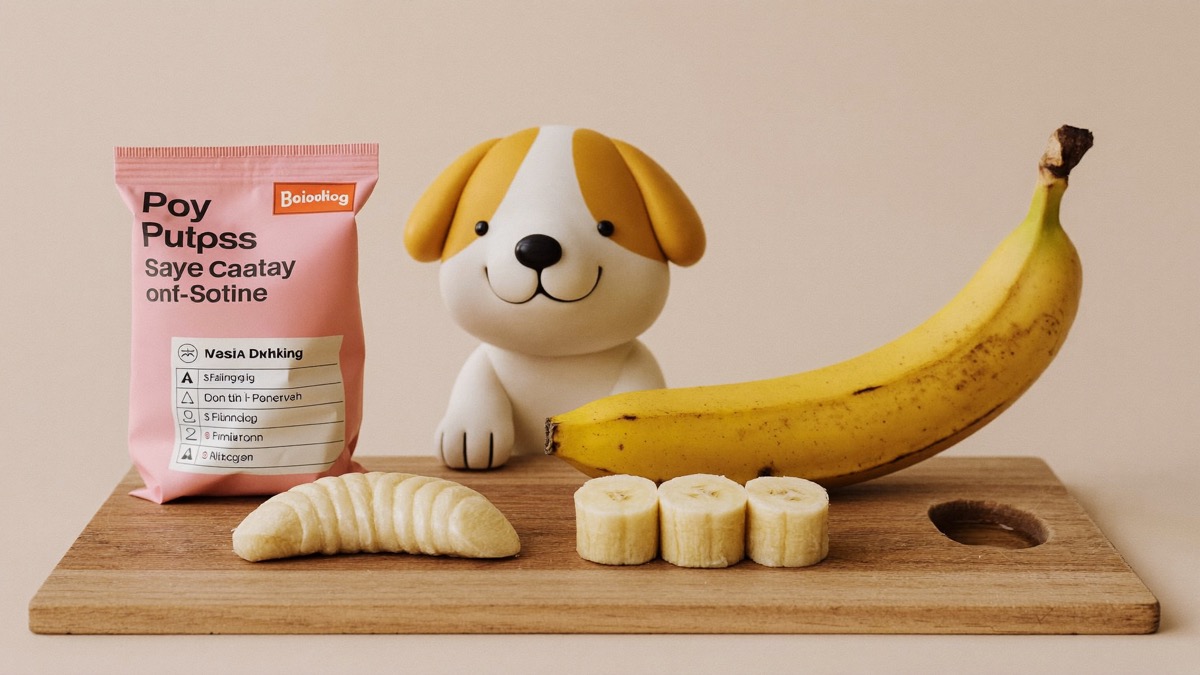
Safe list: sweet potato, pumpkin, banana, apple (core and seeds removed), blueberries, watermelon (no seeds or rind), carrot, green beans, cucumber, plain cooked chicken, egg, oats, brown rice, plain unsweetened yogurt in small amounts, xylitol-free peanut butter, small amounts of coconut oil.
Never use:
- Xylitol (birch sugar, E967) — causes rapid, life-threatening hypoglycaemia and liver failure; check peanut butter, "sugar-free" anything, and some baking mixes
- Chocolate and cocoa in any form
- Grapes, raisins, sultanas — kidney failure, no known safe dose
- Onion, garlic, shallots, chives — including powders in stock cubes and seasoning mixes
- Macadamia nuts
- Alcohol, coffee, tea
- Excess salt and sugar — skip soy sauce, belacan, ikan bilis stock, cured meats, and anything seasoned for humans
- Nutmeg and raw dough
If an ingredient isn't on your safe list and you can't verify it, it stays out of the bowl. The ASPCA's people-foods list is the reference worth bookmarking, and Singapore's Animal & Veterinary Service — the main touch-point for pet matters locally — publishes owner-facing care guidance worth a look too.
How should I store homemade treats in a humid climate?
Tropical humidity is the enemy of home baking. Mould can appear on a countertop biscuit in two to three days here, faster than most recipe blogs (written for temperate kitchens) suggest. The rules: cool baked treats completely before sealing, store airtight, refrigerate anything you'll use within a week, and freeze the rest in portioned bags. Dried treats like jerky and sweet potato chews must be fully dried — bend a strip; if moisture beads at the crack, it goes back in the oven. A food-safe silica sachet in the container helps for dry biscuits. When in doubt, throw it out; a spoiled treat can cause vomiting and diarrhoea.
How many treats can my dog have per day?
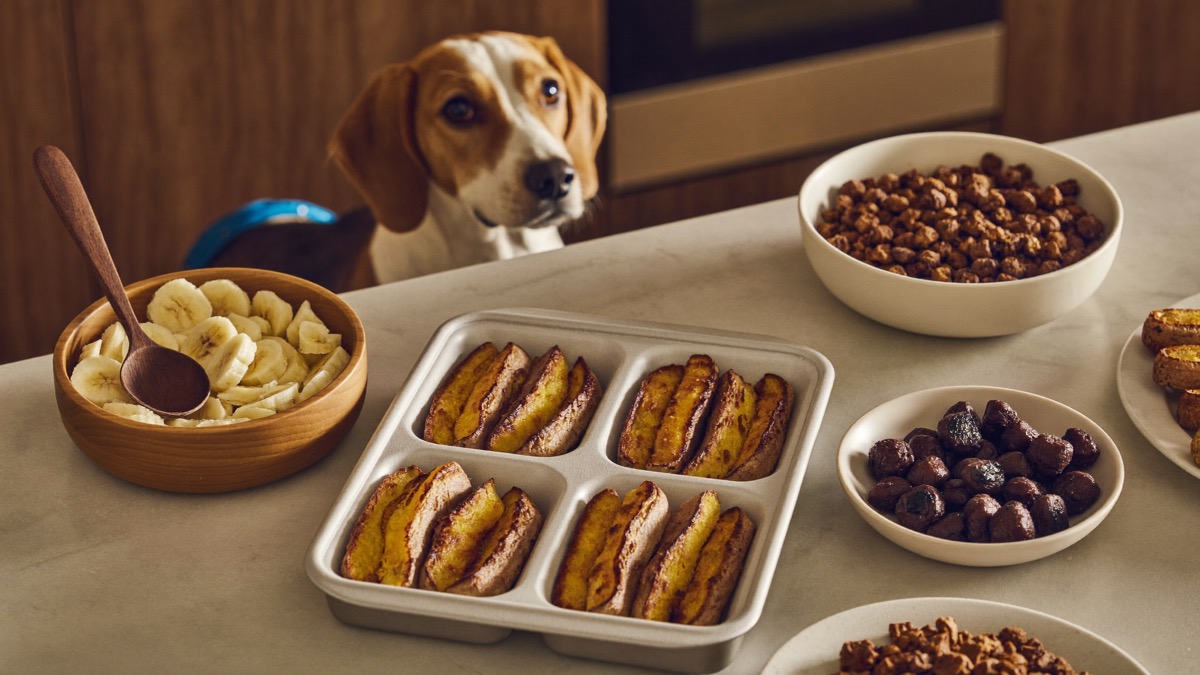
Follow the 10% rule: treats — including training rewards, dental chews, and that piece of chicken from your plate — should supply no more than 10% of your dog's daily calories, with balanced main meals providing the rest. For a small 5 kg dog, that's roughly 30–40 kcal of treats a day: a few biscuit pieces or one frozen bite, not a buffet. Dogs with pancreatitis history, diabetes, kidney disease, or on prescription diets need vet approval before any new treat, however wholesome — if you're between vets, the Singapore Veterinary Association's clinic directory can point you to one, and in Malaysia the Department of Veterinary Services is the national animal-health authority. Introduce one new recipe at a time and watch for soft stools or itching for a couple of days — the canine version of a patch test.