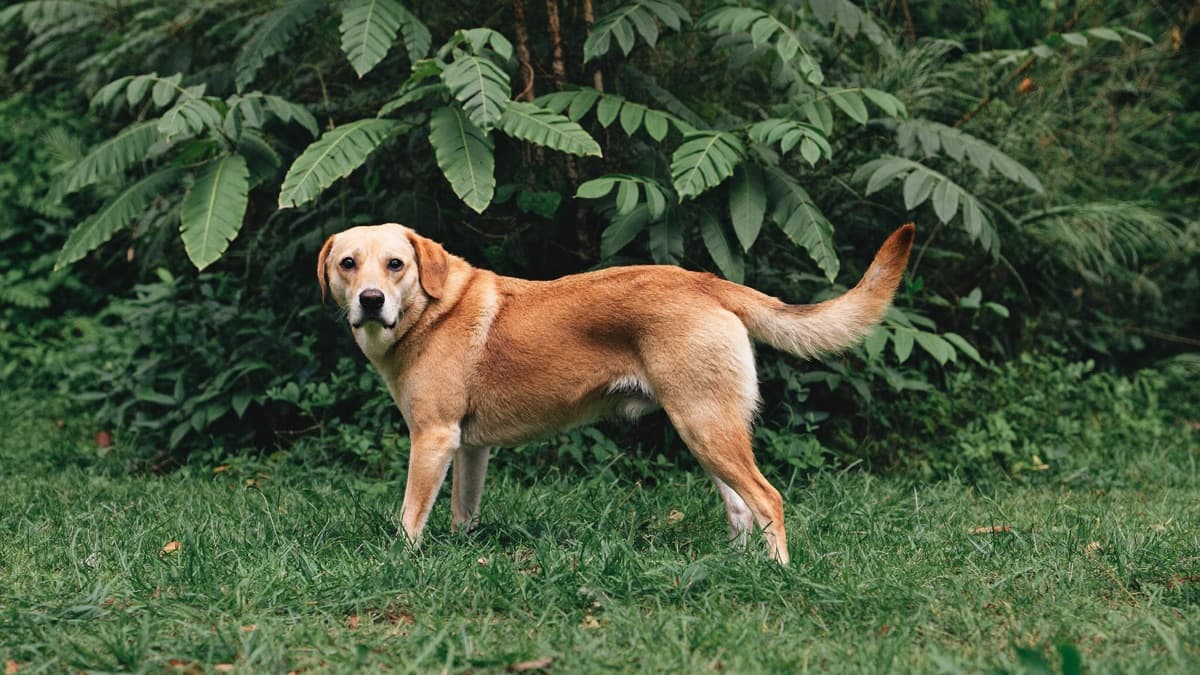
Go to a vet now if any of these are true
- Straining plus vomiting — this combination is the signature of an intestinal obstruction, not constipation. Emergency.
- You know (or suspect) the dog ate bones, a toy, fabric, corn cobs, or fruit seeds — mango and durian seeds are classic culprits in this region.
- No stool for 72 hours, or crying/yelping while trying to go.
- A distended, hard, or painful belly, lethargy, or refusing food.
- A male dog straining could be straining to urinate, not defecate — the postures look nearly identical, and a urinary blockage kills within a day or two. If you haven't seen him pee normally today, treat it as urinary until proven otherwise.
- Scooting plus a swollen, painful area beside the anus — likely an anal gland abscess, not constipation.
What's a normal poop schedule anyway?
Most adult dogs go one to three times a day, usually shortly after meals. Some healthy dogs on highly digestible diets go every other day. The number that matters is your dog's baseline — a two-a-day dog that's produced nothing in 36 hours is more noteworthy than an every-other-day dog on schedule.
What causes constipation in dogs?
- Bones — the number one avoidable cause. Cooked bones splinter, and bone fragments compact in the colon into a concrete-like mass that may need an enema under sedation to shift. This is a big part of why we say never feed cooked chicken bones.
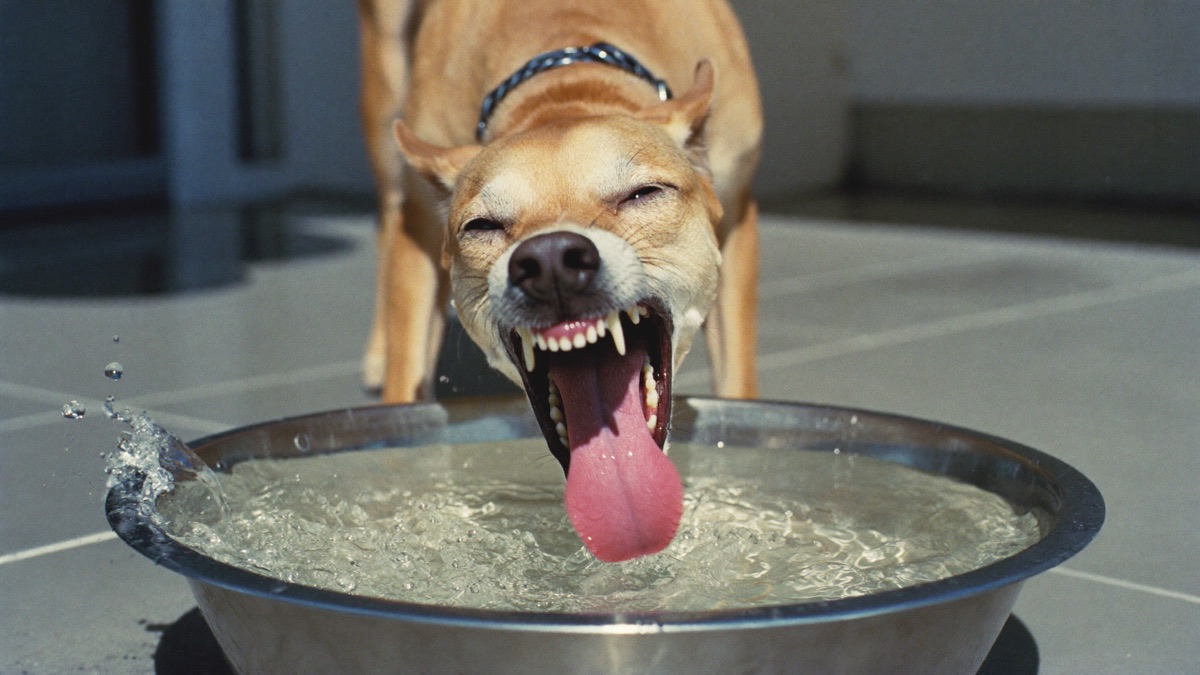
- Dehydration in the heat. The colon's job is reclaiming water; in a dog that's panting through 33°C days and under-drinking, it reclaims too much and stool turns to gravel. This makes tropical dogs mildly constipation-prone by default.
- Swallowed hair, low-fibre diets, and inactivity — common in heavy-shedding dogs that over-groom and in dogs whose walks shrink during rainy weeks.
- A partial blockage — foreign material sitting in the gut.
- Older-dog causes: an enlarged prostate in intact males physically narrows the pelvic canal, and arthritis pain makes squatting hard enough that dogs simply hold it. Some medications constipate too.
What can I safely do at home?
For a comfortable dog that's eating, not vomiting, and less than 48 hours in:
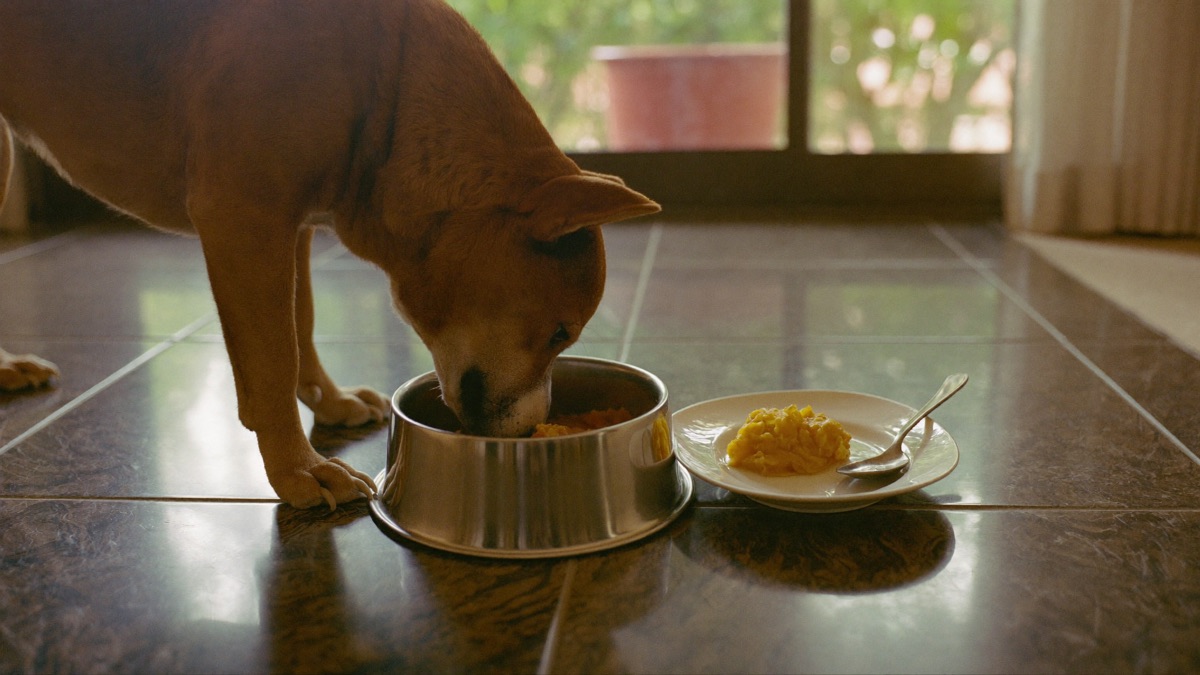
- Water first. Add water or unsalted broth to meals, switch a meal to wet food, and put out an extra bowl. Rehydration is the single most effective fix.
- Plain canned pumpkin — 1 teaspoon for small dogs up to 3–4 tablespoons for large dogs, mixed into food. It must be 100% pumpkin, not pie filling. The fibre both softens hard stool and firms loose stool.
- Walk. Movement stimulates gut motility, and sniffing time encourages dogs to go. Walk in the cool early morning or evening — a hot midday march dehydrates and defeats the purpose.
Give this 24–48 hours. If nothing has moved, stop experimenting and book the vet.
Why can't I use human laxatives?
Because the dose–response in dogs is unpredictable and some products are outright dangerous — stimulant laxatives can cause violent cramping and fluid loss, and certain enemas sold for people (phosphate enemas) are potentially fatal to dogs. If a dog genuinely needs a laxative or stool softener, the vet will dispense a dog-appropriate one after ruling out obstruction — because forcing gut contractions against a blockage can perforate the intestine.
What will the vet actually do?
A rectal and abdominal exam, often an X-ray to check for bone material, foreign objects, or an enlarged prostate, then treatment matched to the cause: fluids, dog-safe softeners, or an enema under sedation for compacted masses. As of 2026, expect roughly S$45–100 / RM50–150 for the consult, with imaging and sedated enemas adding more — still far cheaper than the surgery an ignored obstruction leads to.
When does constipation become a pattern?
A dog that's repeatedly constipated isn't having bad luck. Recurring episodes warrant a diet review, a prostate check in intact males, and a look at water intake and mobility. True megacolon is rare in dogs — recurrent constipation almost always has a findable, fixable cause, and finding it beats reaching for the pumpkin every fortnight.