Can cheese cause pancreatitis?
A fatty meal can trigger pancreatitis in some dogs, but the cause is often unclear. It is misleading to say that only large servings cause it or that a tiny cube is risk-free. VCA's pancreatitis guidance describes both the uncertainty and the importance of prompt treatment. If your dog has had pancreatitis or follows a prescribed diet, check with your vet before offering cheese.
Vomiting, abdominal pain, unusual tiredness and appetite loss warrant veterinary advice. These signs do not let you diagnose pancreatitis at home.
Which cheeses should I choose or avoid?
| Product | What to check |
|---|---|
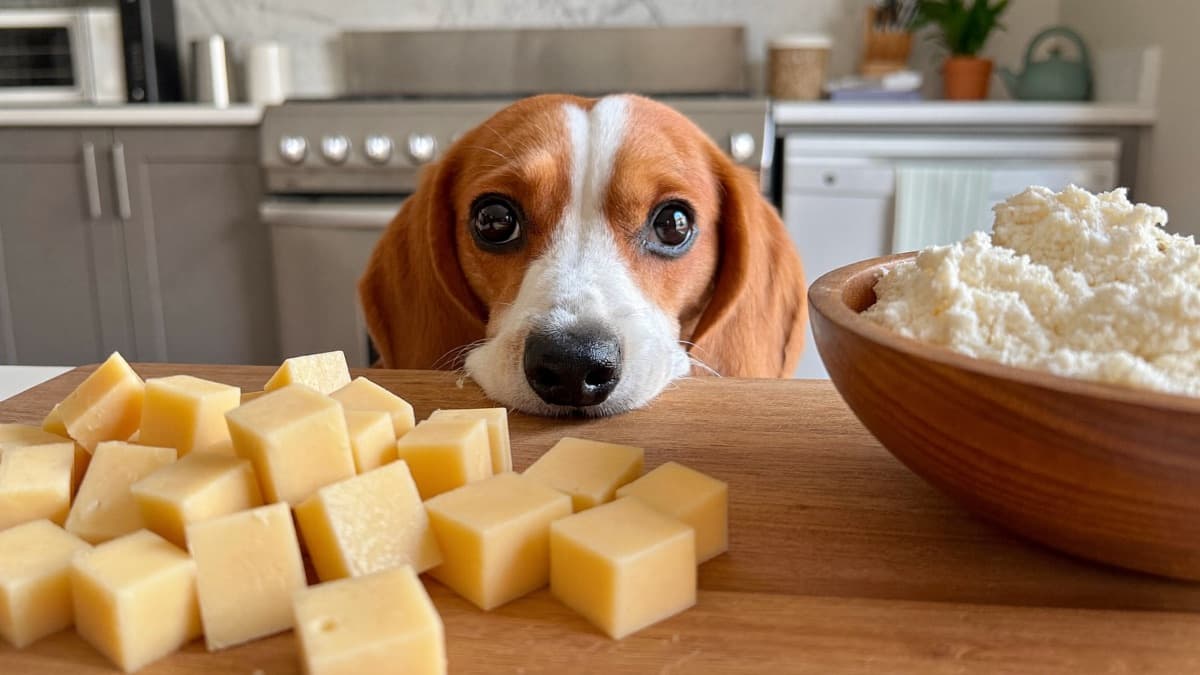
| Plain cottage cheese or mozzarella | Choose a lower-fat version if your vet considers cheese suitable. Check the product label; recipes differ. |
| Cheddar or other plain cheese | Keep it occasional and small; lower lactose does not remove the calorie or fat concern. |
| Blue cheese, including Stilton | Avoid. Blue Cross warns that the mould can cause illness in dogs. |
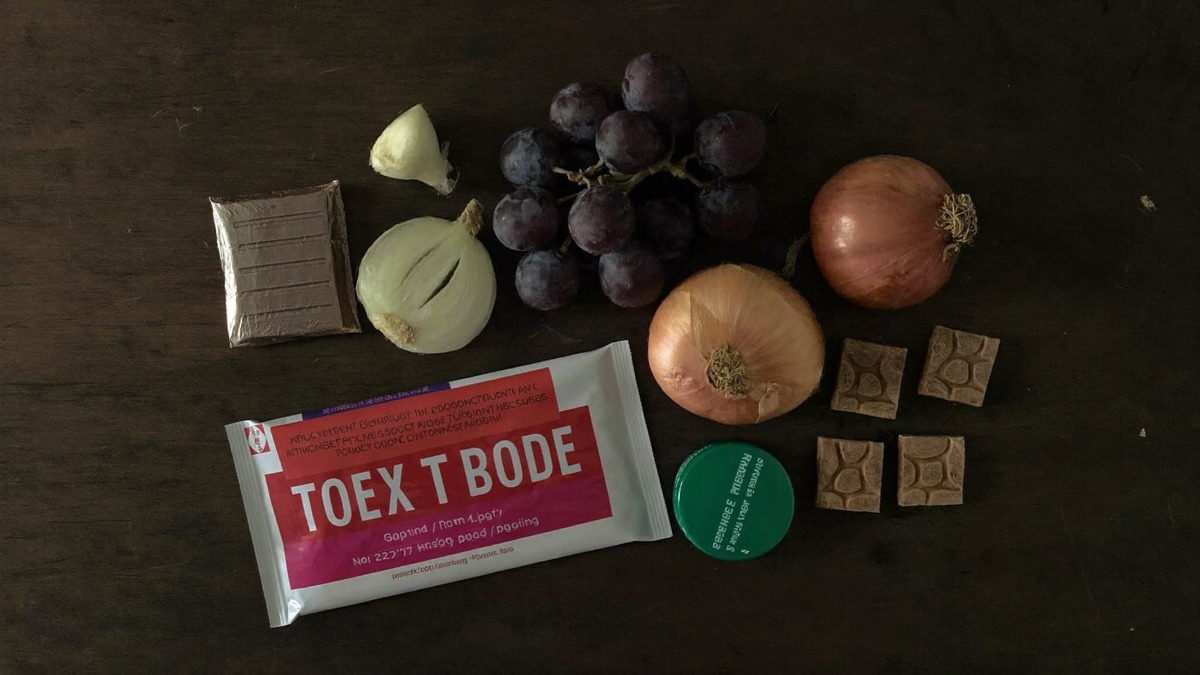
| Flavoured cheese, dips or desserts | Check every ingredient. Do not offer products containing onion, garlic, chives, chocolate, raisins or xylitol. |
Sources: AKC on cheese choices, Blue Cross on blue cheese, and ASPCA on harmful ingredients.
A cheese tart or cheese-flavoured snack from a bakery, hawker stall or mamak is a separate recipe. If you cannot check the ingredients, choose a treat whose contents you know.
How much cheese can I give?
There is no universal safe number of cubes by breed or weight. Count cheese alongside every other treat: WSAVA recommends a maximum of 10% of daily calories from treats. This does not override dietary restrictions or make an unsuitable food safe.
For training, a little can go a long way. If you want to hide medication in cheese, ask the prescribing vet first. The medicine's instructions and your dog's diet both matter.
What if my dog becomes unwell?
Stop giving cheese if it causes digestive upset. Contact your vet promptly after suspected ingestion of blue cheese or harmful ingredients. Keep the label and estimate the amount eaten.
Repeated vomiting, blood in vomit or stools, collapse, breathing difficulty or seizures need urgent veterinary attention. Do not wait 24 hours or induce vomiting yourself. See VCA's emergency guidance.
Use the food checker for another ingredient, or read our foods to avoid guide.