What's safe after each vaccine dose?
The vaccine series (full detail in our puppy vaccination schedule) unlocks the world in stages:
| Stage | Ground rules |
|---|---|
| From day one (any doses) | Carried outings anywhere; your own home floor; private garden or balcony no other dogs use; car rides |
| After dose 2 (~10–12 weeks) | Add puppy classes that check vaccine records; homes of vaccinated adult dogs you know |
| After final dose (16+ weeks) + 1–2 weeks | Everything: walks on pavements and grass, void deck, park connectors, beaches, dog runs |
The one consistent rule through the whole series: paws off surfaces where unknown dogs toilet. That means no dog parks, no grass verges, no pet-shop floors, and being carried through clinic waiting rooms until the series is done and the final dose has had a week or two to take effect.
Why is the ground the problem?
One word: parvovirus. Parvo spreads through the faeces of infected dogs, survives in soil for a year or more, hitchhikes on shoes and paws, and kills the majority of untreated infected puppies — treatment is an intensive hospital stay costing S$2,000–5,000 (RM2,000–8,000) with no guarantee. Distemper and leptospirosis (spread in rat and wildlife urine, a real consideration around monsoon puddles and drains) follow similar logic: the risk concentrates where contaminated soil, water and faeces sit, which is to say, on the ground.
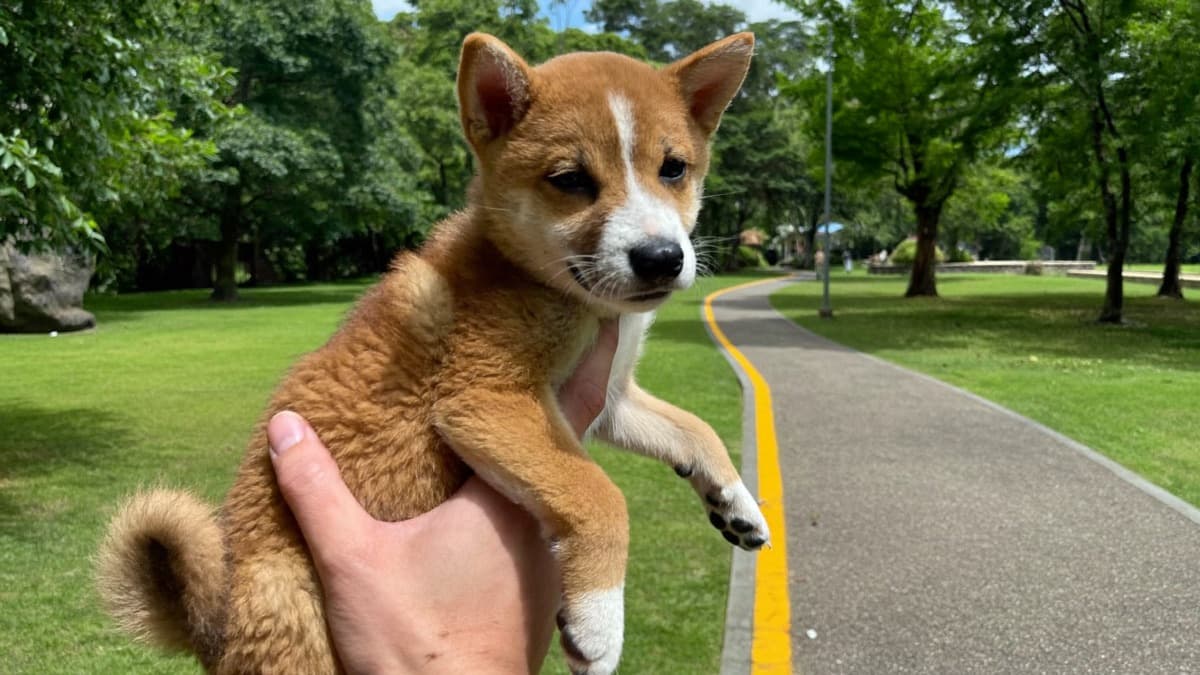
Air is not the enemy. A puppy in your arms at a bus stop is at negligible disease risk; the same puppy sniffing the grass verge below it is gambling. That asymmetry is the entire strategy.
And maternal antibodies explain the "why 16 weeks?" part: antibodies from mum's milk fade at unpredictable times and can neutralise vaccines until then, which is why the final dose at 16+ weeks is the one that reliably takes — and why an early dose or two doesn't mean your puppy is protected yet.
What can we actually do before 16 weeks?
More than most anxious owners think:
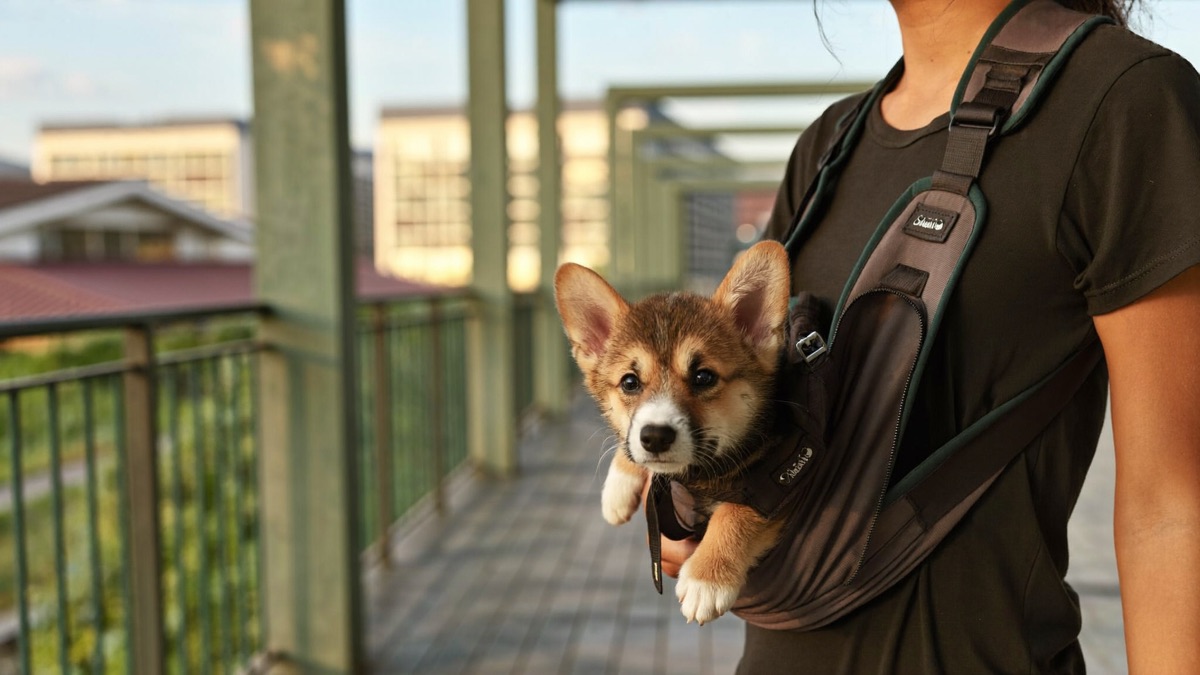
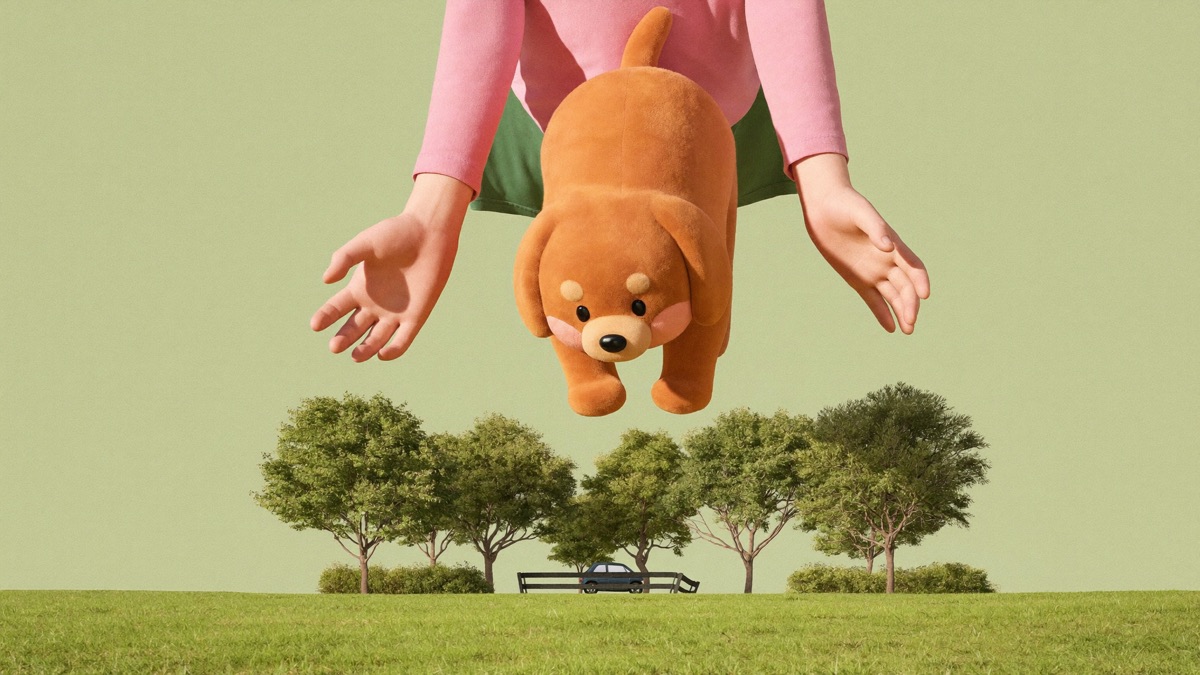
- Daily carried outings — the void deck, the lift lobby, outside the market, watching traffic, meeting calm strangers who toss treats. This is prime puppy socialisation, and the 3–14 week window for it closes before the vaccine series ends, which is why "just keep them home" is bad advice.
- A sling, carrier or trolley for longer expeditions once the puppy outgrows your arms.
- Private clean ground — your own balcony, garden or a friend's dog-free courtyard — for real walking practice on a leash.
- Playdates with vaccinated adult dogs you know, in homes rather than parks.
- Puppy class — the structured kind that checks vaccination records at the door.
- Toilet trips to one consistent spot you control. If that spot must be shared ground, a pee tray at home or on the service yard is safer until the series ends.
- Home groundwork — leash walking down the corridor, recall games, handling practice for the vet. A puppy who can already walk politely indoors makes that first real walk far easier.
Isn't it safer to just wait indoors until 16 weeks?
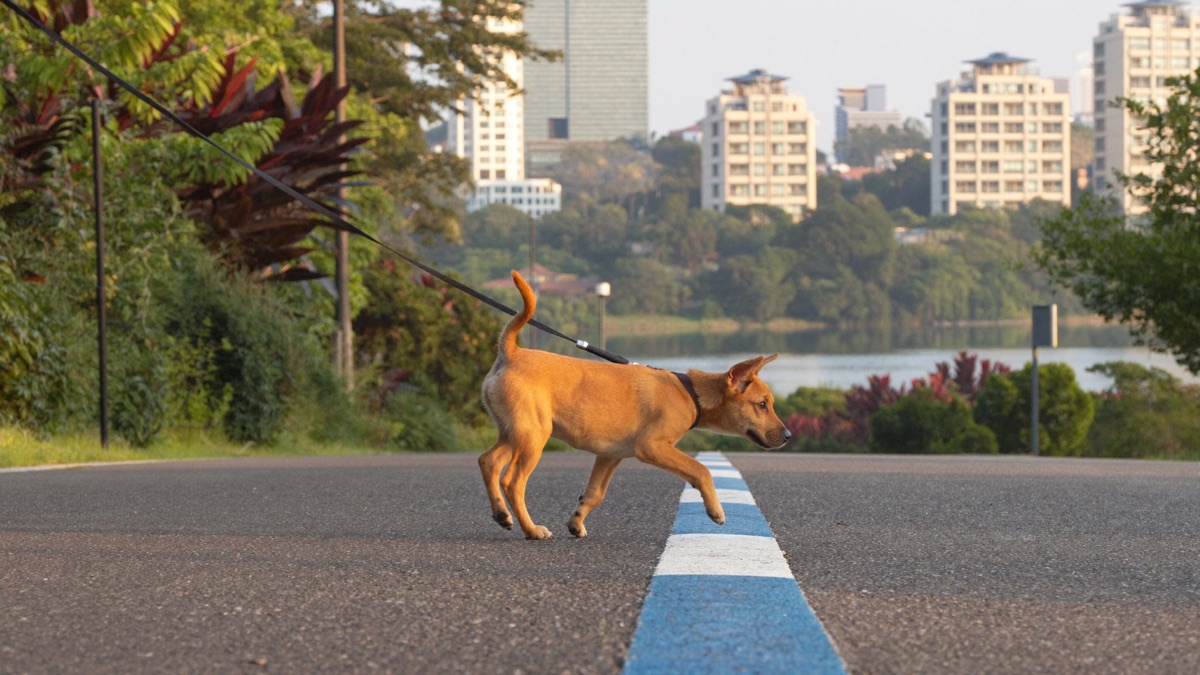
No — this is the trap. Total isolation trades a disease risk you can manage down to nearly zero for a behavioural risk you can't undo. Puppies who see nothing of the world before 14 weeks reliably grow into fearful, reactive adults, and fear-based problems are a leading reason young dogs are surrendered. The disease risk, by contrast, collapses once you follow one rule: carry them, and control what their paws touch.
So don't choose between socialisation and safety — the carried-outing strategy delivers both. Take the puppy out today, in your arms, for five calm minutes. Put nothing on the ground except at your own controlled toilet spot. Finish the vaccine series on schedule, give the final dose a week or two, and then take that first real walk — it will be mercifully unremarkable, because your puppy has been watching the world from shoulder height all along.