What's normal after puppy shots?
Expect some or all of the following within a few hours of the visit, fading within 24–48 hours:
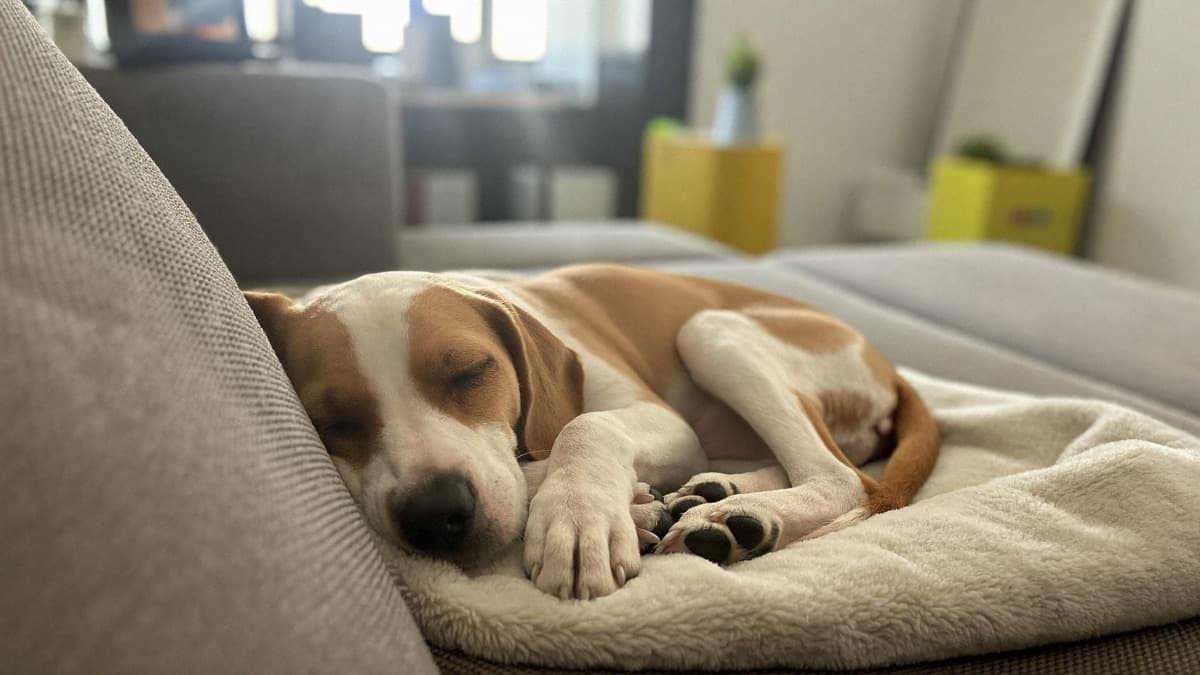
- A quiet day. Sleeping more, playing less, generally flat. This is the single most common reaction.
- A tender injection site. Your puppy may flinch if you touch the spot, or sit oddly after a hind-leg injection. A small, firm, painless lump can form there and take 2–3 weeks to disappear — normal.
- Mild fever and reduced appetite. Skipping part of a meal on vaccine day is common; refusing all food beyond a day is not.
- Sneezing or mild nose/eye discharge for a few days after an intranasal kennel cough vaccine — that one goes up the nose, and a brief snuffle is expected.
None of this needs treatment. Offer water, skip the planned play session, let the puppy sleep, and resist medicating — human painkillers are toxic to dogs.
What are the emergency signs — and how fast do they come?
True vaccine reactions (anaphylaxis and acute allergic reactions) are rare, and the window is short: most begin within minutes to a few hours of the injection, which is why the timing of your observation matters more than its duration. Go straight back to the vet — this is treat-now territory, not wait-and-see — if you notice:
- Swelling of the face, muzzle or around the eyes — the classic sign; our swollen face guide shows what it looks like
- Hives — bumps appearing across the skin, often with intense itching
- Repeated vomiting or diarrhoea — once might be car-ride nausea; repeated episodes soon after a shot are a red flag
- Difficulty breathing, pale gums, wobbliness or collapse — an emergency by any route: go now
Treated promptly, allergic reactions respond very well. Puppies who react once should have it recorded — future visits can be pre-treated with an antihistamine, split vaccines across separate appointments, or extend the observed wait at the clinic.
What's the monitoring plan for each vaccine visit?
You don't need a vigil; you need a structure. Per visit:
- Book morning appointments when you can, so the highest-risk hours pass while your regular clinic is still open, not at 11pm.
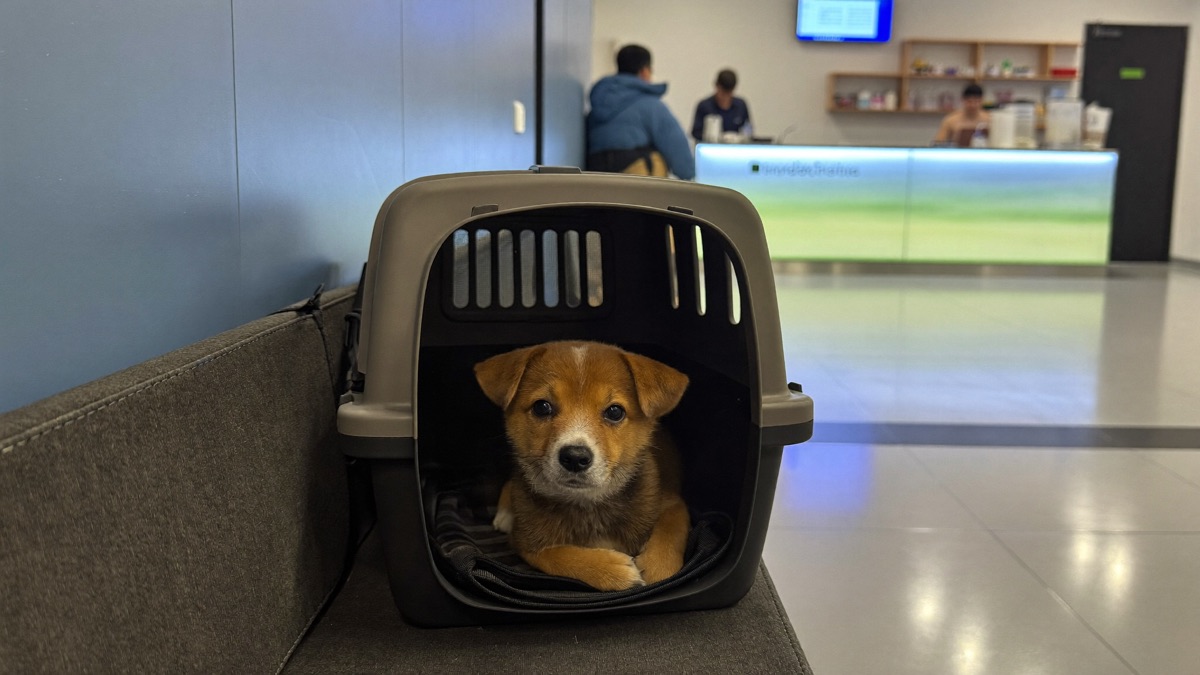
- Wait 15–30 minutes at or near the clinic before heading home — the fastest, most severe reactions tend to show earliest, and you'd already be in the right place.
- Keep the puppy in sight for the first 4–6 hours at home. Normal = sleepy. You're watching for face swelling, hives, vomiting.
- Check in over the next 24–48 hours. Appetite returning, energy climbing, tenderness fading — the normal arc.
- Note anything odd in your phone, even mild — the record shapes how your vet handles the next visit.
One piece of homework before the first visit, not after: know where your nearest 24-hour emergency vet is and how long the drive takes. You will almost certainly never need it for a vaccine — but "look it up while the puppy's face swells" is the wrong moment, and the same knowledge serves every other emergency of the next fifteen years.
Smaller puppies and small breeds have somewhat higher reaction odds, especially when several vaccines land in one visit — if you have a 2 kg toy-breed puppy, it's reasonable to ask your vet whether the day's shots can be split.
Should fear of side effects change the vaccine schedule?
No — and this is the part worth saying plainly. The arithmetic is lopsided: serious vaccine reactions are rare and almost always treatable within hours, while the diseases the puppy vaccination schedule prevents are common in unvaccinated dogs and routinely fatal. Parvovirus alone kills the large majority of untreated infected puppies, survives in soil for a year or more, and travels on shoes — a puppy doesn't need to meet a sick dog to meet the virus. Distemper is worse. There is no scenario in which a sleepy day and a tender spot outweigh that.
If your puppy had a genuine reaction, the answer still isn't stopping — it's adjusting: pre-treatment, split visits, longer observation, and in some cases titer testing later in life. Tell your vet what happened and let them redesign the plan. The schedule bends; it shouldn't break.