Plan early experiences with your vet
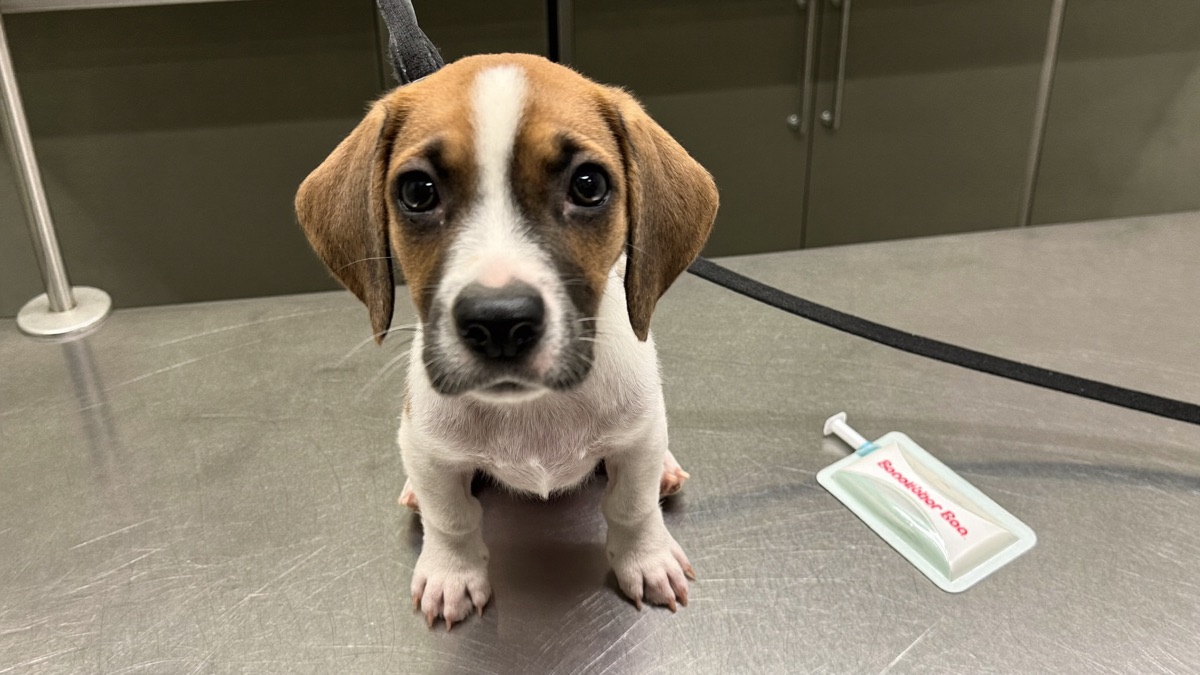
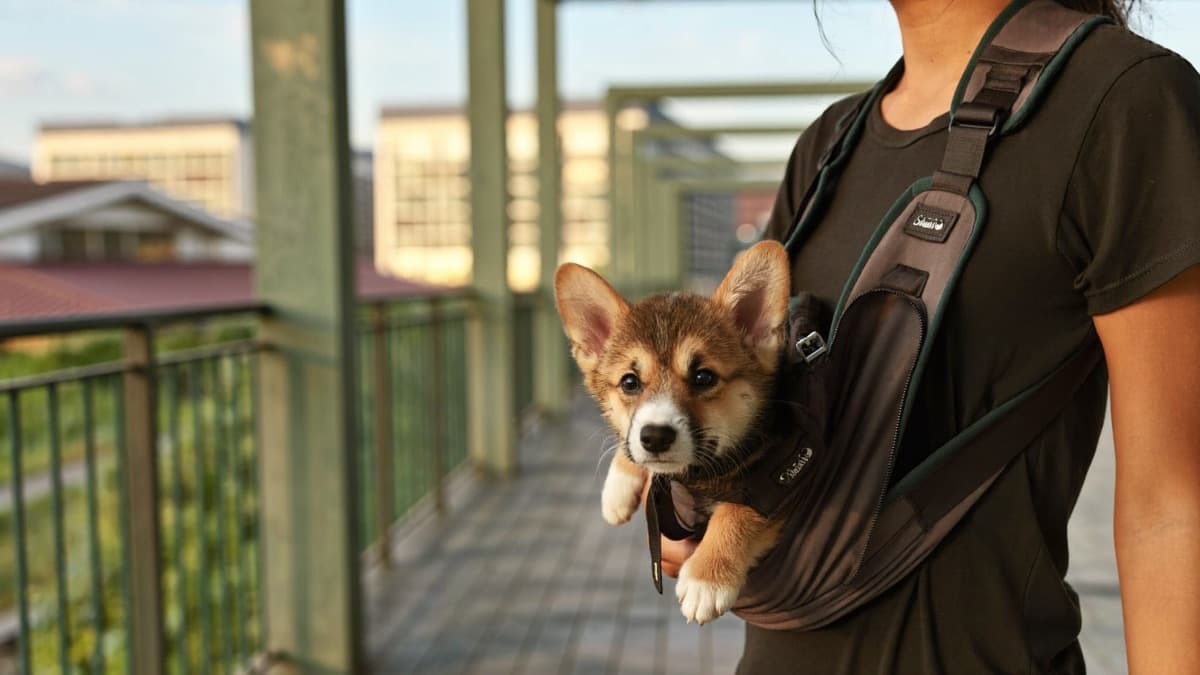
Ask your vet how to balance your puppy's vaccination status, health and local disease risk. Carrying or using a carrier can reduce some contact with the ground; it does not make every outing risk-free. Avoid groups of unfamiliar dogs and choose controlled settings with appropriate hygiene. VCA's socialisation guidance recommends individual veterinary advice on infection precautions.
For classes, AVSAB's general guidance allows a start as early as seven to eight weeks after an initial vaccine set at least seven days earlier and first deworming. Providers may have different entry rules, and your vet should advise whether a particular setting suits your puppy. The Singapore training-classes guide covers choosing a provider.
Everyday experiences in Singapore and Malaysia
Choose examples that match your neighbourhood. These are planning ideas, not a daily exposure quota:
| Everyday situation | A manageable starting point |
|---|---|
| Lifts and corridor activity | Watch from a quiet distance before attempting a busy lift journey. |
| Umbrellas, helmets and delivery bags | Let your puppy investigate a stationary object before adding movement. |
| Bicycles, prams and traffic | Observe from enough distance to remain comfortable; do not approach moving vehicles. |
| Household sounds | Begin with gentle, brief sounds rather than a sudden loud demonstration. |
| Visitors | Give your puppy space to approach or stay away; ask visitors not to reach over it. |
| Handling and surfaces | Try brief, gentle handling and familiar surfaces at home. |
Keep experiences short and allow breaks. VCA's fear-prevention advice stresses choice and comfortable exposure. Trembling, hiding, pulling away or refusing food can indicate fear; accepting a treat alone does not prove that a puppy is comfortable. End or simplify an interaction if your puppy struggles.
What if my puppy seems more fearful?
Some young dogs become more cautious during development, and individual histories differ. Do not assume that every change fits a fixed “fear period” calendar or will disappear within two weeks. VCA's shy-puppy advice discusses developmental changes and professional help with fears.
Increase distance, avoid forced greetings and speak to your vet or a qualified behaviour professional if fear is persistent, intense or affects normal activities. An older puppy has not missed its only chance: work at a pace it can manage rather than trying to catch up through overwhelming exposure.