What does the 3-3-3 rule actually mean?
You'll hear "3 days, 3 weeks, 3 months" everywhere in rescue circles. It's a useful map as long as you read it as stages, not deadlines:
Scroll sideways to compare all columns →
| Stage | What's really happening | What you should do |
|---|---|---|
| First 3 days | Shutdown or panic. The dog may not eat, may hide, may pace all night. This is overwhelm, not personality. | Nothing. Food, water, quiet, toilet breaks. No visitors, no bath, no vet unless urgent. |
| First 3 weeks | Routines register. The dog learns when food happens and starts testing the environment. The "real dog" begins leaking out — including behaviours you haven't seen yet. | Keep routines boringly identical. Begin hand-feeding and gentle engagement the dog initiates. |
| First 3 months | Attachment forms. The dog trusts the household and its baseline personality stabilises. | Gradually widen the world: short walks, new rooms, then new places. Start light training. |
For a genuinely fearful dog, stretch every number. Some ex-street dogs need three days just to leave the corner, and three months before the first tail wag. That's not failure — that's the timeline.

What is the first-week do-nothing protocol?
Do-nothing means exactly that, and it's harder than it sounds:
- No walks if the dog is frightened. A panicking dog learns nothing outdoors except that outdoors is terrifying — and it's your biggest escape risk. Toilet on puppy pads, a secured balcony-free corner, or brief trips down on a double-leash setup.
- No visitors. Friends who "are great with dogs" can meet the dog next month.
- No forced anything. No dragging out from under the bed, no holding for cuddles, no bath, no grooming. Reaching into a hiding spot teaches the dog that even its safe place isn't safe.
- Ignore the dog, generously. Sit in the room reading, drop a treat when the dog looks at you, and let it study you. Being ignored is deeply reassuring to a fearful dog; direct eye contact and looming are not. Our guide to dog body language helps you read what the dog is telling you.
How do I set up the safe room?
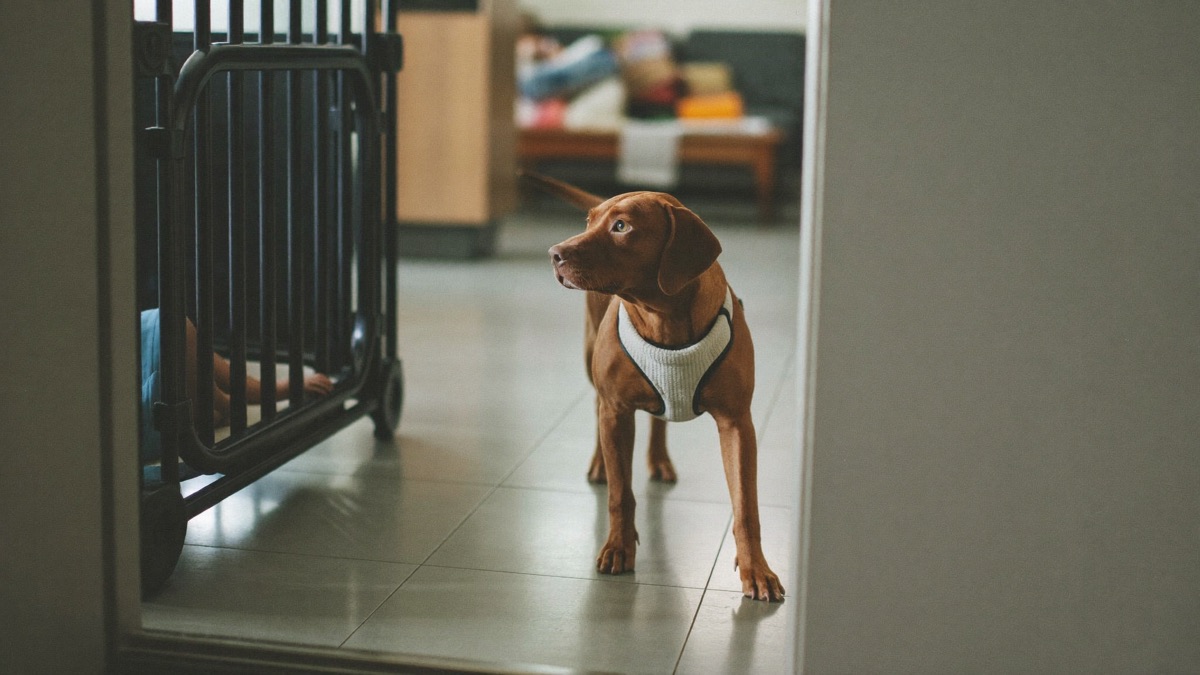
Pick the quietest room or corner in the flat — away from the front door, the kitchen and foot traffic. Give the dog a covered crate with the door removed or fixed open, or a bed tucked behind furniture so there's a solid wall at its back. Water nearby, food delivered at the same times daily, and a house rule everyone follows: nobody touches the dog in its safe spot, ever. The safe spot only works if it's genuinely inviolable. Baby gates beat closed doors — the dog can see and hear household life without being in it.
Why do fearful Singapore Specials bloom slowly — and spectacularly?
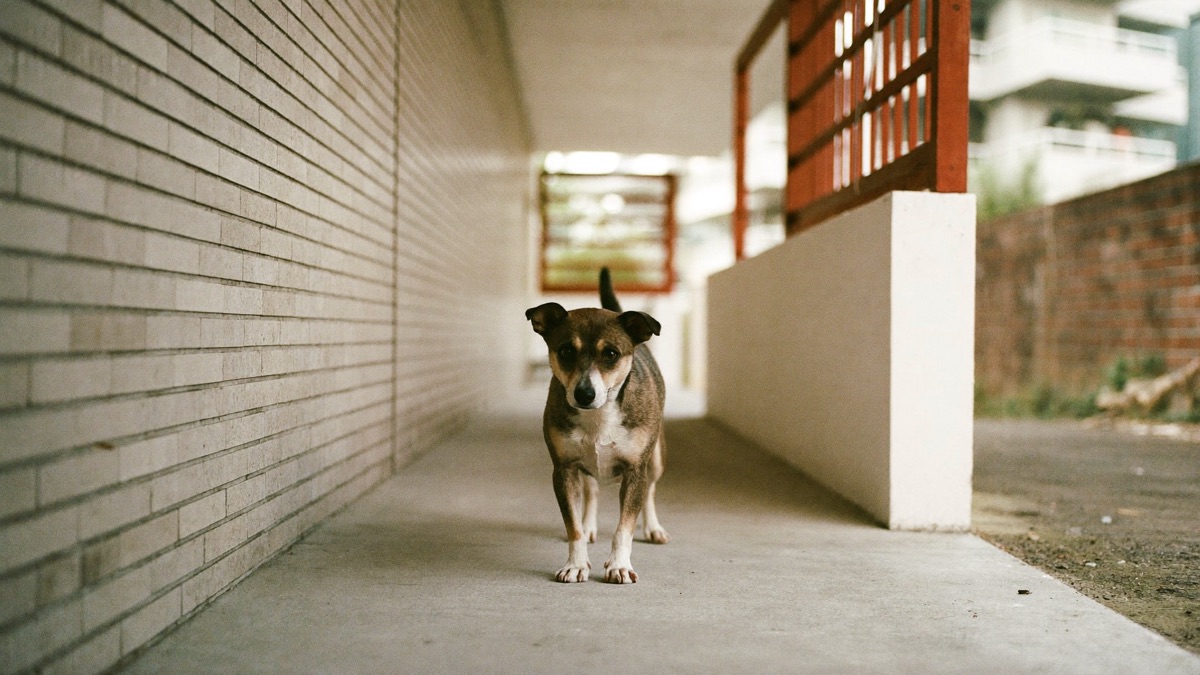
Many Singapore Specials spent their early weeks in forests, shipyards and industrial estates, where wariness of humans kept them alive. That caution is survival wiring, not a broken dog. It also means the dog you meet at the shelter is nothing like the dog you'll have in a year: adopters consistently describe Specials who hid for weeks becoming the most devoted, playful, velcro companions in the household. The blossoming is real — it just runs on the dog's clock. Shelters running adoptions in Singapore will tell you the same: the shy ones are the sleeper hits.
When should training actually start?
Later than you think. A fearful brain can't learn — stress hormones shut down the exact systems training relies on. Weeks in, once the dog eats normally, sleeps deeply and moves around the home loosely, start with two-minute games: name response, hand targets, treat scatters. Keep sessions optional — the dog can always walk away. Skip group classes until the dog is solidly comfortable with you, and start building confidence through choice-based games before any obedience drills.
How do I manage flight risk?
Ex-street dogs bolt, and a bolted fearful dog does not come when called — this is the most preventable tragedy in rescue adoption. For at least the first three months:
- Double-leash everything: one lead on a well-fitted harness, one on a flat collar or martingale, ideally clipped to each other as backup.
- No gaps: harness snug enough that two fingers fit under, no more. Fearful dogs reverse out of loose harnesses in one twist.
- Door airlocks: dog behind a baby gate before the front door ever opens, and lifts and stairwells treated as escape zones.
- No off-leash, anywhere, including "enclosed" spaces you haven't personally inspected — until recall is genuinely proven, which for a fearful dog is many months away.
Microchip details updated on day one, an AirTag or GPS tag on the collar, and a recent clear photo on your phone. You'll probably never need any of it — that's the point.